


- by wangfred
Virtual Real: The Unseen Revolution Reshaping Our World
- by wangfred
Imagine a world where the boundaries of physics, geography, and even identity dissolve at will. A world where you can walk with dinosaurs, perform complex heart surgery from your living room, or sit across a virtual table from a loved one who is continents away, feeling as if you are truly there. This is no longer the stuff of science fiction; it is the emerging, palpable reality of Virtual Real. This technology, once confined to clunky headsets and niche gaming, is now poised to unleash a revolution more profound than the advent of the smartphone or the internet itself, seeping into every crevice of our lives and fundamentally altering the human experience.
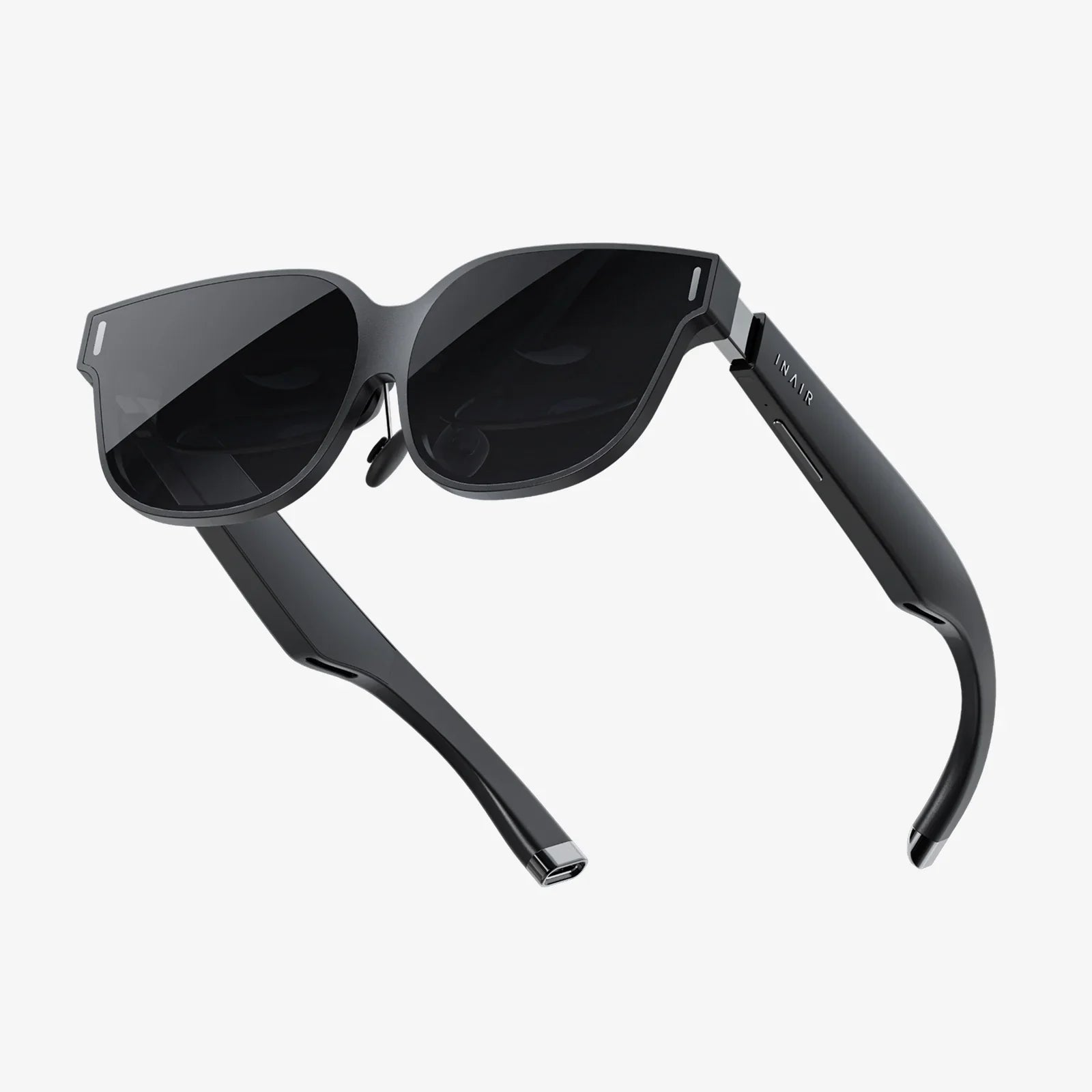
At its core, Virtual Real is the creation of a simulated, digital environment that can be experienced and interacted with by a user. Unlike traditional user interfaces, VR places the individual inside the experience, making them an active participant in a 3D world. This immersion is achieved through a combination of sophisticated hardware and software. Head-mounted displays (HMDs) track the user's head movements, adjusting the stereoscopic screens in front of their eyes to create a convincing, 360-degree visual field. Advanced haptic feedback systems, from gloves to full-body suits, translate digital events into physical sensations—the recoil of a virtual gun, the texture of a virtual stone, or the handshake of a virtual colleague.
The true magic, however, lies in the psychological phenomenon known as presence. This is the elusive, holy grail of VR: the user's undeniable, subconscious conviction that they are not just operating a simulation, but are physically present within it. When presence is achieved, the brain suspends its disbelief. The virtual world becomes your reality. Your body reacts to virtual heights with genuine fear, and a connection forged in a digital space feels emotionally authentic. This powerful psychological response is what separates VR from any media that has come before it and is the engine of its transformative potential.
While gaming and immersive films are the most visible applications, the most significant impacts of Virtual Real are happening far from the living room.
VR is dismantling the traditional classroom. Instead of reading about ancient Rome, students can don a headset and walk through a meticulously reconstructed Forum, hearing the sounds of the marketplace and witnessing history unfold around them. Medical students can practice intricate surgical procedures on virtual patients, making critical mistakes without consequence and honing their skills through unlimited repetition. Mechanics can learn to repair complex engines by taking them apart virtually, with interactive guides highlighting each component. This experiential learning paradigm dramatically improves knowledge retention and skill acquisition, creating a safer, more effective, and more accessible form of education.
The healthcare sector is embracing VR for both treatment and therapy. Surgeons use detailed VR models of a patient's specific anatomy to plan and rehearse complex operations, leading to shorter surgery times and improved outcomes. For patients, VR is a powerful tool for pain management and physical rehabilitation. Immersive experiences can distract burn victims during painful wound care procedures, significantly reducing their perceived pain. Stroke victims can engage in gamified VR exercises to regain motor control, turning arduous therapy into an engaging and motivating activity. Furthermore, VR exposure therapy is proving highly effective in treating PTSD, phobias, and anxiety disorders by allowing patients to confront their triggers in a controlled, safe environment.
The global shift to remote work has exposed the limitations of video conferencing. Virtual Real offers the next evolution: the virtual office. Imagine collaborating with colleagues from around the world not as faces on a screen, but as avatars in a shared virtual workspace. You can brainstorm on a 3D model, write on a virtual whiteboard, and share the subtle, non-verbal cues that are lost in a flat, 2D call. Architects and engineers can walk clients through unbuilt designs at a 1:1 scale. This sense of shared presence can rebuild the social fabric of distributed teams and unlock new forms of collaboration that are impossible through current technology.
From architecture to retail, VR is revolutionizing the design and sales process. Instead of looking at blueprints or 3D models on a screen, architects and their clients can step inside a building before a single brick is laid. They can evaluate the flow of space, the play of light at different times of day, and make informed changes, saving vast amounts of time and money. In retail, customers can use VR to see how a new sofa would look in their actual living room or how a pair of glasses would fit their face, drastically reducing purchase uncertainty and revolutionizing e-commerce.
One of the most poignant promises of Virtual Real is its potential to transcend physical distance and forge deeper human connections. Social VR platforms are emerging as vibrant digital town squares where people can meet, talk, play games, watch movies, and attend live concerts together. For individuals who are isolated due to age, disability, or geography, these spaces can be a lifeline, offering a profound sense of community and belonging that text-based social media or video calls cannot provide.
The concept of the metaverse—a persistent, shared, and interconnected virtual universe—is the ultimate expression of this potential. It promises a future where our digital and physical lives are seamlessly integrated, where we have jobs, social lives, and identities that exist across both realms. While still in its infancy, the race to build this next iteration of the internet is already underway, with VR as its primary gateway.
This powerful technology does not come without significant risks and ethical dilemmas that society must urgently address.
VR headsets are not just screens; they are sophisticated data collection devices. They can track your eye movements, your gait, your gestures, your vocal inflections, and even your physiological responses like pupil dilation and blink rate. This biometric data is a goldmine that reveals not just what you are looking at, but how you are feeling, what captures your attention, and what makes you uncomfortable. The potential for misuse by corporations for hyper-targeted advertising or by authoritarian regimes for surveillance is staggering and requires robust, forward-thinking regulation.
As experiences become more immersive, the line between the virtual and the real may begin to fray. Prolonged exposure to hyper-stimulating virtual environments could make the physical world seem dull by comparison, potentially leading to new forms of addiction and escapism. The phenomenon known as "VR hangover," where users feel disconnected or detached from their physical surroundings after a long session, hints at these psychological impacts. Furthermore, the ability to create and embody any avatar raises profound questions about identity. While this can be liberating, it also opens the door to new forms of catfishing, harassment, and psychological manipulation.
The risk of creating a new, deeper societal schism is real. If VR becomes the primary platform for work, education, and socializing, those who cannot afford the hardware or lack the necessary bandwidth will be left behind in an analog world, excluded from economic and cultural opportunities. This could exacerbate existing inequalities, creating a class of VR-haves and VR-have-nots.
The future of Virtual Real is a canvas of incredible possibilities. We are moving towards lighter, wireless headsets with photorealistic graphics powered by advances in cloud computing and AI. Haptic technology will evolve to provide full-body tactile feedback, making digital interactions feel utterly real. Brain-computer interfaces, though far off, hint at a future where we could control virtual environments with our thoughts, creating a level of immersion we can scarcely imagine today.
This technology will continue to bleed into augmented reality (AR), where digital information is overlaid onto our physical world, creating a hybrid existence. The ultimate destination is a seamless spectrum of experiences, from the purely real to the purely virtual, with most of our lives spent somewhere in between.
The path forward is not to fear this technology, but to guide it with intention, wisdom, and a strong ethical compass. We must demand transparency in data collection, build inclusive and accessible platforms, and actively discuss the societal norms we wish to establish in these new digital frontiers. The virtual world is a reflection of our own, with the same capacity for beauty, connection, and creation, as well as for harm, exclusion, and manipulation. The revolution is not coming; it is already here, quietly weaving itself into the fabric of our daily lives. The question is no longer if Virtual Real will change everything, but how we will choose to shape it, and in turn, how it will inevitably reshape us.
We stand at the precipice of a new dimension of human experience, where the only true limit is the imagination. The door to countless worlds—for work, for play, for healing, and for connection—is now open. Will you step through?
Share:
Benefits and Drawbacks of Wearable Technology: Navigating the Connected Life
Best Wearable Accessories: A Guide to Elevating Your Daily Tech