


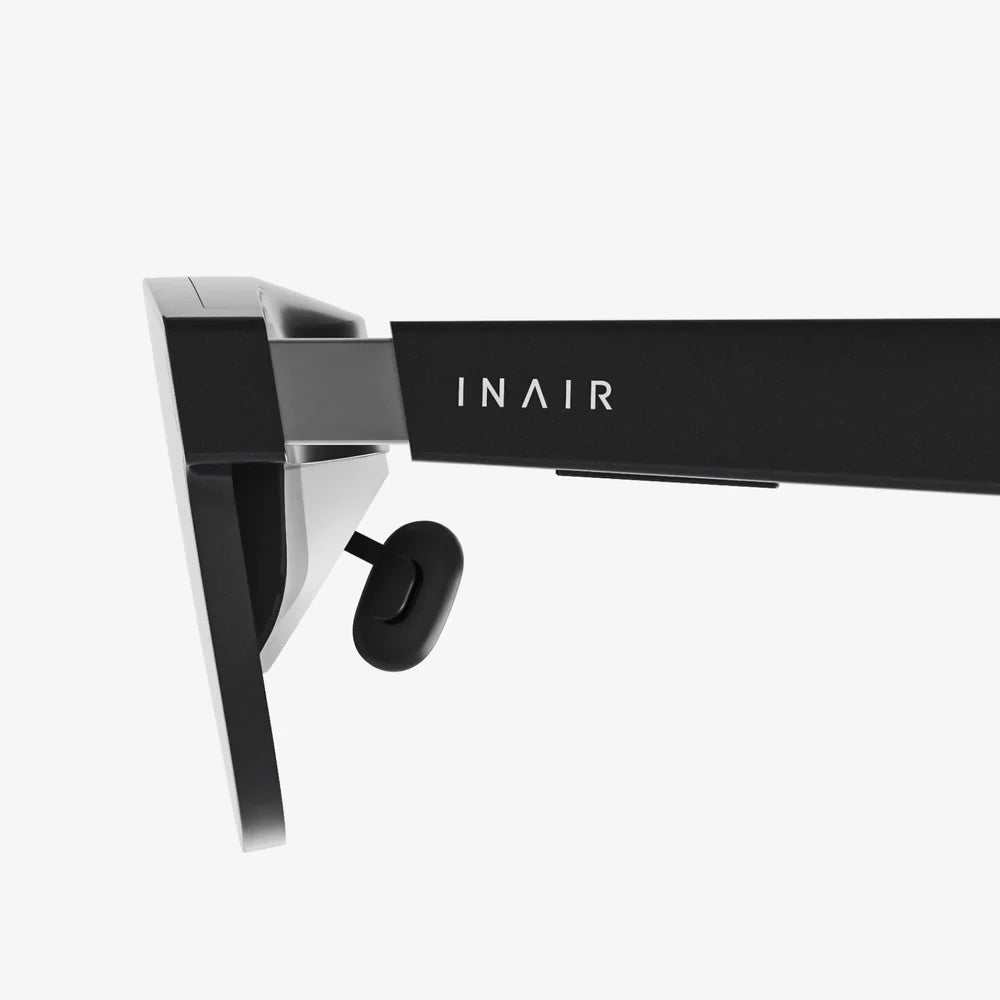
Imagine slipping on a pair of sleek, futuristic glasses and being instantly transported to a front-row seat at a concert on the other side of the world, a meticulously recreated ancient Roman city, or the bridge of a starship hurtling through the cosmos. This is no longer the stuff of science fiction. The powerful convergence of accessible virtual reality 3D glasses and the ubiquitous Android platform has flung open the doors to immersive digital realms, placing unprecedented power directly into the hands—and onto the faces—of millions. This technological synergy is not just changing how we play games; it's reshaping education, social connection, enterprise, and our very perception of reality itself, all powered by the device in your pocket.
The Democratization of Virtual Reality
For decades, virtual reality was a concept trapped behind laboratory doors and prohibitively expensive hardware setups, accessible only to well-funded research institutions and dedicated enthusiasts with deep pockets. The advent of modern smartphone technology, particularly the Android ecosystem with its massive market share and open nature, acted as a catalyst for a seismic shift. It provided the essential ingredients for a VR revolution: high-resolution displays, powerful processors, precise motion sensors, and a sophisticated operating system, all bundled into a single, mass-produced device.
Virtual reality 3D glasses designed for Android leverage this existing hardware. Instead of requiring a dedicated, built-in screen and a separate computing unit, these headsets use the smartphone itself as both the brain and the eyes of the experience. The user simply slots their Android device into the headset, which uses lenses to warp and focus the screen into a wide, stereoscopic 3D field of view. The phone's gyroscope, accelerometer, and magnetometer track head movements with remarkable speed and accuracy, allowing the virtual environment to respond in real-time. This elegant solution dramatically lowered the barrier to entry, transforming VR from a niche luxury into a mainstream consumer possibility.
Deconstructing the Technology: How It All Works Together
The magic of this experience relies on a sophisticated dance between hardware and software. Understanding the components reveals the engineering marvel that makes portable VR so effective.
The Hardware Trinity: Headset, Phone, and Controllers
At its core, the system is a trinity of components. The headset itself is a deceptively simple piece of equipment. Its primary functions are to hold the Android phone securely in place, precisely align the screen with two high-quality optical lenses, and block out ambient light to ensure total immersion. These lenses are crucial; they refract the light from the phone's screen, creating a panoramic, binocular view that tricks the brain into perceiving depth and scale.
The Android phone is the undisputed workhorse. Its display quality is paramount—higher resolutions (Quad HD or 4K) significantly reduce the "screen door effect," where users can perceive the gaps between pixels. The processing power of the device's System-on-a-Chip (SoC) determines the complexity and smoothness of the virtual worlds it can render. Furthermore, the inertial measurement unit (IMU), a combination of the gyroscope and accelerometer, must be high-quality and finely calibrated to prevent latency, which is the delay between moving your head and the image updating. Latency is the primary culprit for VR-induced motion sickness, so a fast, accurate sensor suite is non-negotiable for a comfortable experience.
Many setups also include a handheld controller. This device, which connects to the Android phone via Bluetooth, allows for interaction within the virtual space. It typically features its own IMU for tracking position and orientation, along with buttons, triggers, and touchpads. This transforms the user from a passive observer into an active participant, able to manipulate objects, navigate menus, and engage with the environment intuitively.
The Software Ecosystem: Android as a VR Foundation
The open-source nature of the Android operating system has been a tremendous boon for VR development. Google's pioneering work with platforms like Daydream and, more importantly, its ongoing integration of core VR and AR services into Android itself has provided a stable foundation. This includes low-level system optimizations to minimize latency, standard APIs for developers to target, and essential services for distributing VR applications.
The primary gateway to VR content on Android is through dedicated application stores. These digital storefronts host a vast array of VR experiences, from games and interactive stories to educational tools and 360-degree video players. The Android platform's flexibility also allows for side-loading of applications, fostering a vibrant community of independent developers and hobbyists who push the boundaries of what's possible.
Beyond Gaming: The Expansive Universe of Mobile VR Applications
While gaming is a flagship application, the utility of Android-powered VR extends far beyond entertainment. This technology is proving to be a powerful tool in numerous fields.
Education and Training
Imagine a history class where students can take a virtual walk through the streets of ancient Athens, or a medical student who can practice a complex surgical procedure on a detailed virtual cadaver. VR provides an unparalleled medium for experiential learning. Android-based headsets make these experiences accessible to schools and institutions with limited budgets, enabling immersive field trips and hands-on training without the associated costs or risks.
Social Connection and Virtual Tourism
Social VR platforms allow users to meet, interact, and share experiences with others from around the globe using personalized avatars. They can watch movies together in a virtual cinema, attend live events, or simply chat in a stunning digital environment. Furthermore, with a wealth of 360-degree videos and photos available, anyone can explore the pyramids of Giza, dive the Great Barrier Reef, or stand atop Mount Everest from their living room, fostering a greater understanding of the world.
Enterprise and Design
Architects and engineers are using mobile VR to walk clients through building designs long before ground is broken. Retailers are creating virtual showrooms where customers can examine products in 3D from every angle. The ability to visualize complex data and 3D models at scale provides a significant advantage in design, prototyping, and collaboration.
Challenges and Considerations for the Mobile VR Experience
Despite its advancements, the marriage of Android and VR headsets is not without its challenges. The primary limitation is the inherent trade-off between mobility and performance. While a standalone wireless headset offers incredible freedom, it is ultimately constrained by the thermal and battery limitations of a smartphone. Prolonged use of demanding VR applications can cause devices to throttle performance (reduce processing speed to avoid overheating) and rapidly deplete battery life.
Furthermore, the quality of the experience is directly tied to the quality of the Android device. A lower-end phone with a mediocre display and underpowered processor will result in a subpar VR experience characterized by blurry visuals, laggy head-tracking, and discomfort. There is also the ongoing issue of fragmentation within the Android ecosystem, where developers must contend with a wide variety of hardware specifications and software versions, making it difficult to optimize experiences for every user.
The Future is Mobile and Immersive
The trajectory of this technology points toward even deeper integration and more powerful capabilities. We are already seeing the lines blur between virtual and augmented reality. Future Android devices and headsets will likely support full mixed reality (MR), seamlessly blending digital objects with the user's real-world environment. Advances in inside-out tracking, where cameras on the headset itself map the physical space without external sensors, will make VR setups even more convenient and robust.
Moreover, the development of cloud-based rendering solutions could fundamentally change the hardware requirements. In this model, the complex graphical rendering is handled by powerful remote servers and streamed to the headset, much like video streaming services work today. This would allow even modest Android smartphones to deliver incredibly high-fidelity, photorealistic VR experiences, as the phone would primarily act as a display and tracking device. The 5G network rollout, with its promise of ultra-low latency and high bandwidth, is the critical enabler for this cloud-based future.
The evolution of standalone VR headsets, which have their own built-in Android-based operating system and compute power, also continues apace. These devices offer a more consistent and high-performance experience than smartphone-based solutions, yet they still benefit from the rich Android ecosystem and developer community. They represent the next step in the natural evolution of mobile VR, offering convenience without sacrificing capability.
The fusion of virtual reality 3D glasses and the Android platform is more than a convenient pairing of technologies; it is a paradigm shift that has democratized access to immersive computing. It has taken VR out of the laboratory and the hardcore gaming den and placed it in the living rooms, classrooms, and workplaces of everyday people. This synergy has created a fertile ground for innovation, pushing developers to create experiences that educate, connect, and amaze. While challenges remain, the relentless pace of advancement in mobile processing power, display technology, and software optimization promises a future where slipping on a headset to step into another world will be as simple and commonplace as unlocking your phone is today. The portal to other realities is already in your pocket; you just need the right glasses to see it.
Share:
Latest Virtual Reality Glasses: A Deep Dive into the Next Era of Immersive Technology
3D Glasses for Computer: The Ultimate Immersive Experience Guide