


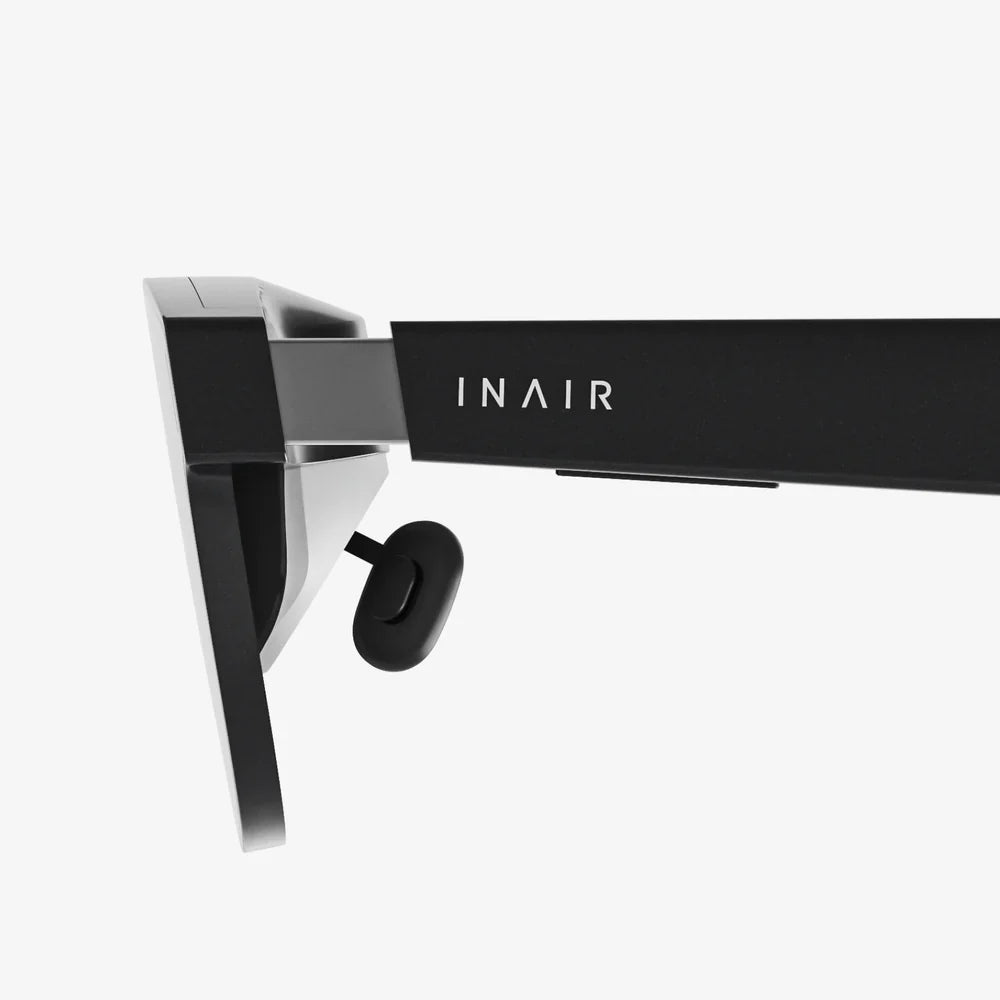
Imagine a world where the line between the digital and the physical dissolves, where you can reach out and manipulate the virtual with your own hands, and where the only limit is your imagination. This is no longer the stuff of science fiction; it is the reality being crafted today by the powerful combination of a Virtual Reality 3D headset and its indispensable companion, the Bluetooth controller. This duo is not just another tech gadget; it is a gateway to new dimensions, a tool for creation, and a catalyst for a fundamental shift in how we interact with information and with each other.
The Core Components of Modern Immersion
At the heart of any immersive digital experience lies the Virtual Reality 3D headset. This sophisticated piece of technology is a marvel of modern engineering, designed to completely envelop your visual and auditory senses. It functions by presenting a unique image to each eye, creating a stereoscopic 3D effect that gives objects depth, scale, and presence. High-resolution displays, often with refresh rates exceeding 90Hz, work in tandem with precisely calibrated lenses to create a seamless and convincing world. Advanced models incorporate inside-out tracking, using integrated cameras to map your physical space and translate your real-world movements into the virtual one, eliminating the need for external sensors and granting unprecedented freedom of movement.
Yet, a window into another world is only half the equation. To truly feel present within it, you need a means to interact. This is where the Bluetooth controller becomes absolutely critical. Unlike traditional gamepads, these controllers are engineered specifically for VR. They are ergonomically designed to feel like an extension of your hands, often tracked in 3D space with six degrees of freedom (6DoF). This means the system knows not just if you're tilting a controller, but exactly where it is located in the room and how it is oriented. This precise tracking is what allows you to reach out, grab a virtual object, throw it, manipulate it, or wield it with intuitive, natural motions. The wireless Bluetooth connection is the invisible tether that makes this possible, providing a stable, low-latency link that is crucial for maintaining the illusion of reality. Any perceptible delay between your physical action and the virtual reaction instantly shatters the sense of immersion.
The Synergy That Creates Presence
The true magic doesn't lie in either device alone, but in their seamless synergy. The Virtual Reality 3D headset is the portal, but the Bluetooth controller is your hands within that new reality. This combination fosters a state known as "presence"—the undeniable, psychological feeling of actually being in the virtual environment. This phenomenon is achieved through a perfect storm of sensory feedback.
Modern Bluetooth controllers are packed with haptic feedback motors that provide nuanced tactile sensations. When you pull a virtual trigger, you might feel a subtle click. When you run your virtual hand across a rough stone wall, the controller can simulate a gentle vibration. This tactile layer, combined with the convincing 3D visuals and spatial audio delivered by the headset, completely engages your senses, tricking your brain into accepting the digital experience as real. This goes far beyond gaming; it is the foundation for virtual training simulations for surgeons, mechanics, and pilots, where the feel of a tool is as important as the sight of it.
Applications Reshaping Industries
The impact of this technology extends into nearly every professional field, revolutionizing workflows and creating new possibilities.
Education and Training
Imagine medical students practicing complex surgical procedures on virtual patients, their every movement tracked by a Virtual Reality 3D headset and their virtual scalpel guided by a precise Bluetooth controller. They can make mistakes, learn from them, and gain invaluable muscle memory without any risk. Similarly, mechanics can train on virtual engines, and engineers can walk through full-scale 3D models of their designs long before breaking ground on a construction site.
Design and Architecture
Architects and interior designers are using this technology to step inside their blueprints. With a Bluetooth controller in hand, they can virtually rearrange furniture, change wall colors and materials in real-time, and experience the spatial flow of a building at a 1:1 scale. This immersive design review process catches potential issues early and allows clients to truly experience and approve a design before a single dollar is spent on physical materials.
Remote Collaboration and Social Connection
The technology is also redefining what it means to collaborate and socialize from a distance. Virtual meeting spaces allow colleagues from across the globe to gather around a 3D model, manipulate it together with their controllers, and interact with the same intuitive gestures they would use in person. This is a far cry from a flat video call; it is a shared experience within a shared space, making remote interaction feel more human and more effective.
Therapeutic and Healthcare Applications
In healthcare, VR is proving to be a powerful therapeutic tool. Patients undergoing physical therapy can use engaging VR games controlled by motion-tracked controllers to make repetitive exercises less tedious and more effective. It is also being used for exposure therapy, helping individuals safely confront and manage phobias like fear of heights or public speaking within a controlled virtual environment. The precise motion tracking allows therapists to monitor progress with incredible detail.
The Future of Interaction: Beyond the Controller
While the current generation of Bluetooth controllers is incredibly advanced, the frontier of interaction is already evolving. The next step is moving beyond held devices altogether. We are seeing the rapid development of hand-tracking technology, where cameras on the Virtual Reality 3D headset can see and interpret the movements of your bare hands, allowing you to manipulate the virtual world with natural gestures, pinches, and grabs. This represents an even more intuitive and barrier-free form of interaction.
Furthermore, the future points towards a deeper integration of haptics, potentially through gloves or even full-body suits, to simulate weight, texture, and resistance with ever-greater fidelity. The role of the standard controller may evolve, but the core principle will remain: the combination of immersive visual/audio technology and intuitive, responsive input is the key to unlocking truly transformative virtual experiences.
The journey into the virtual is just beginning. The powerful partnership of the Virtual Reality 3D headset and the Bluetooth controller has successfully built the bridge, allowing us to not just see, but to touch and shape these new digital frontiers. As this technology continues to become more accessible, more powerful, and more integrated into our daily lives, it promises to redefine everything from how we work and learn to how we connect and play. This isn't just about putting on a headset; it's about stepping into the next chapter of human-computer interaction, and your controller is your ticket to ride.
Share:
What Hardware is Used for AI: The Engines Powering Intelligent Machines
Different Types of VR: A Comprehensive Guide to Virtual Realities