


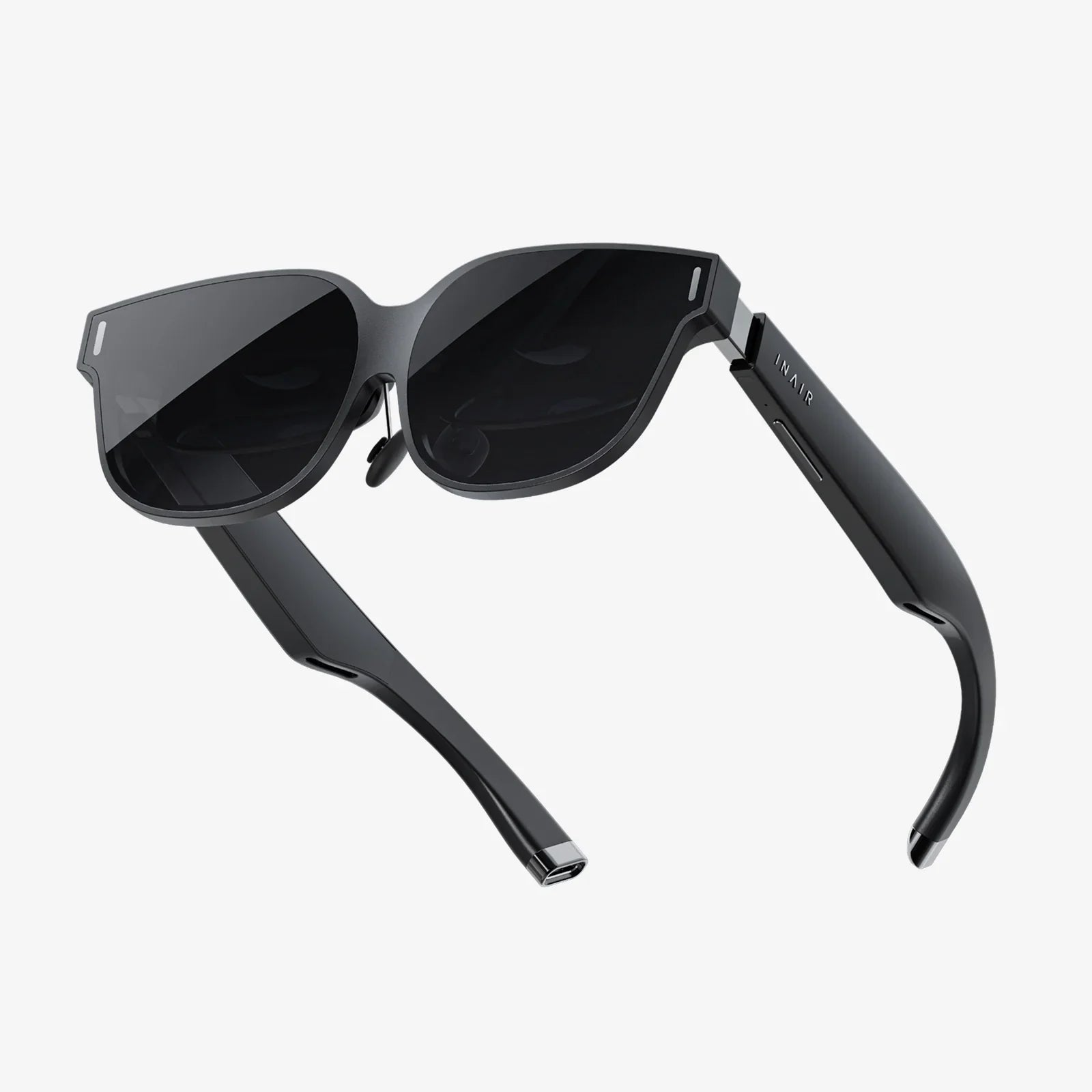
Imagine a world where the boundaries of fantasy and reality dissolve, where the screen in front of you is no longer a window but a doorway you can step through. This is the tantalizing, controversial, and rapidly evolving promise of virtual reality adult entertainment, a technological revolution that is pushing the limits of digital intimacy and challenging our very conceptions of desire, connection, and experience. It’s a topic that sparks curiosity, controversy, and a fundamental question: are we witnessing the future of human sexuality, or a dangerous departure from it? The journey into this digital frontier is as complex as it is compelling, a story not just of technology, but of human nature itself.
The Technological Leap: From Passive Viewing to Active Being
The history of adult entertainment is, in many ways, a history of technological adoption. From the printed page to photography, from grainy film reels to the VHS revolution, and most significantly, the internet, the industry has consistently been an early and aggressive adopter of new mediums. Each leap offered a greater sense of immediacy and access. However, all these formats shared a common limitation: the user was an observer, separate from the experience. The fourth wall, though increasingly thin, remained.
Virtual reality shatters that wall entirely. By leveraging head-mounted displays, motion tracking, and immersive audio, VR technology creates a potent illusion of presence—the neurological trick that convinces your brain you are physically present in a non-physical world. This is the core differentiator. It’s the quantum leap from watching a scene to inhabiting a space within it. This sense of "being there" is achieved through a combination of sophisticated hardware and software:
- High-Resolution Displays: Modern headsets offer high pixel density, reducing the "screen door effect" and creating a more visually convincing environment.
- Wide Field of View: Expanding the user's peripheral vision to mimic natural sight, further enhancing the feeling of immersion.
- Precise Head and Hand Tracking: Low-latency tracking ensures that a user’s movements are reflected instantly in the virtual world, maintaining the crucial illusion and preventing disorientation or motion sickness.
- Binaural 3D Audio: Sound is spatially mapped, meaning a whisper feels like it comes from right beside your ear, and ambient noise feels like it surrounds you, adding a deeply persuasive layer of realism.
This technological foundation allows for experiences that are categorically different from their 2D predecessors. Instead of watching a performance, the user is positioned as a participant, an active agent within a narrative or interactive scenario. This shift from spectator to protagonist is the fundamental engine driving the sector's growth and the source of its most profound impacts.
The Spectrum of Experience: Beyond Mere Simulation
The content within virtual reality adult entertainment is not a monolith; it spans a wide spectrum of experiences, catering to diverse preferences and levels of interactivity.
On one end lies pre-rendered cinematic content. Using specialized camera rigs that capture a 360-degree sphere of video, these experiences place the viewer in the center of a professionally produced scene. The interactivity is primarily navigational—the user can look anywhere within that sphere, choosing their own point of focus, which creates a powerful sense of agency and voyeuristic control. This format is the direct descendant of traditional film but is transformed by the immersive nature of the medium.
On the more advanced end of the spectrum are fully interactive virtual worlds. Built entirely in game engines, these are computer-generated environments where users, often represented by customizable avatars, can navigate, interact with objects, and even engage with AI-driven characters or other live users. This represents a move from cinematic voyeurism to embodied gameplay, where fantasy is not just observed but enacted. The potential here extends into social VR platforms, where shared experiences between consenting adults in virtual spaces hint at new forms of digital intimacy and connection that transcend geographical boundaries.
Bridging the digital and physical divide is the emerging field of haptic technology and teledildonics
The immersive power of VR adult entertainment is undeniable, but it raises critical questions about its psychological and societal effects. The debate is polarized, with arguments ranging from its potential as a harmless outlet to fears of it becoming a detrimental force. Proponents point to several potential benefits. For individuals or couples in long-distance relationships, VR could offer a novel way to maintain intimacy and a sense of physical connection across miles. Within sex therapy, it presents groundbreaking tools for treatment. Therapists could use controlled, immersive environments to help patients address issues like sexual anxiety, performance pressure, or difficulty with arousal in a safe, non-judgmental setting. It could also be a valuable tool for exploring one's sexuality and preferences without real-world risk or judgment, serving as a form of sexual education and self-discovery. For some, it may provide a safe outlet for fantasies that are impractical, impossible, or undesirable to pursue in reality, potentially functioning as a release valve that satisfies curiosity without causing harm. The argument follows that by providing a deeply immersive fantasy outlet, it could reduce the incidence of certain real-world problematic behaviors. Conversely, critics voice serious concerns. A primary fear is the potential for addiction. The potency of an immersive, on-demand fantasy world could lead some users to prefer it to the complexities and potential rejections of real-world intimacy, potentially leading to social isolation and a withdrawal from genuine human connection. This ties into the "supernormal stimulus" theory—the idea that technology can engineer experiences that are more intensely stimulating than anything found in nature, potentially rewiring expectations and desires in unhealthy ways. There is a palpable fear that habitual use could lead to the "objectification escalator," where real partners cannot compete with the idealized, flawless, and always-compliant virtual counterparts, leading to dissatisfaction with real-world relationships. Furthermore, the ethical framework of the content itself is a minefield. How are performers protected in this new medium? What are the implications of AI-generated partners that can be programmed with any personality or response? The potential for non-consensual deepfakes and other forms of digital exploitation is a terrifying and present danger that the industry and regulators are struggling to contain. The borderless nature of the internet and the immersive nature of VR create a perfect storm of legal and ethical challenges. Existing laws around obscenity, distribution, and performance are often outdated and ill-equipped to handle the unique questions posed by VR. Jurisdictional issues are paramount—which country's laws apply when a user in one nation accesses content hosted in another, created by performers in a third? Data privacy becomes a paramount concern. The intimate nature of the content, combined with the biometric data collected by VR hardware (like eye-tracking, movement patterns, and physiological responses from haptic devices), represents a treasure trove of extremely sensitive personal information. Robust cybersecurity and clear, transparent data usage policies are not optional; they are essential to protect users from blackmail, discrimination, and exploitation. Perhaps the most pressing ethical imperative is the need for informed and ethical production practices. The industry must develop and enforce standards that ensure all performers are consenting adults, are fairly compensated, and fully understand how immersive technology will be used to capture and distribute their likeness. The fight against non-consensual content, including deepfakes and unauthorized uploads, will require sophisticated technology, vigilant regulation, and a cultural shift towards digital ethics. The technology underpinning virtual reality adult entertainment is still in its relative infancy, yet the trajectory is clear: more immersion, more realism, and more integration. Looking forward, several developments loom on the horizon that will further blur the lines between the digital and the physical. Artificial Intelligence will play a massive role. AI can be used to generate hyper-realistic virtual partners capable of dynamic, responsive conversation and learning a user's preferences over time, creating the illusion of a genuine relationship. Haptic feedback suits will evolve from simple vibration motors to systems that can simulate temperature, texture, and resistance, creating a full-body tactile experience. The concept of "neural interfaces" or brain-computer interfaces, though far off, suggests a future where experiences could be transmitted directly to the brain, bypassing hardware entirely. These advancements will force us to confront increasingly complex questions. What are the rights of a sentient AI? Can a relationship with a virtual entity be meaningful? How do we cultivate digital literacy and ethical frameworks to navigate this new world responsibly? The evolution of virtual reality adult entertainment is more than a story of technological titillation; it is a precursor, a testing ground for the immersive technologies that will eventually reshape every aspect of our lives, from how we work and learn to how we connect and love. The headset is more than a device; it's a portal to a new dimension of human experience, one where our deepest fantasies can be rendered in stunning detail and our physical bodies can feel digital touch. This isn't a distant sci-fi trope—it's a reality being coded and experienced today, forcing a long-overdue conversation about technology, ethics, and the very nature of intimacy in the 21st century. The ultimate impact of this revolution remains to be seen, but one thing is certain: the way we understand and experience desire will never be the same.The Psychological and Societal Implications: A Double-Edged Sword
Potential Benefits and Positive Applications
Significant Risks and Ethical Concerns
Navigating the Legal and Ethical Labyrinth
The Future Horizon: Where Do We Go From Here?
Share:
Convert 2D Animation to 3D: A Comprehensive Guide to Dimension-Bending Techniques
Unity AR Glasses: Merging Our Digital and Physical Worlds Into One Seamless Reality