


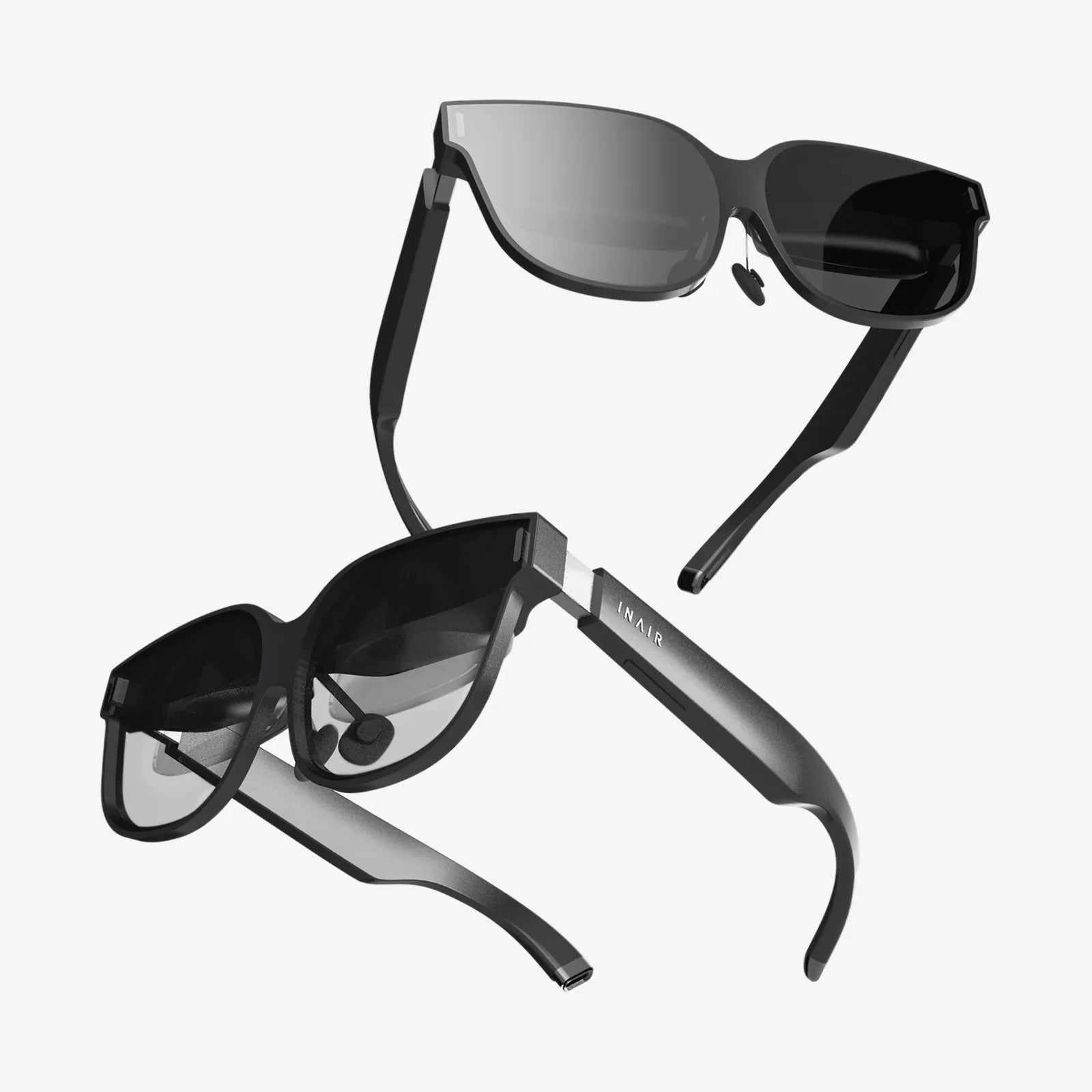
Imagine a world where the digital and physical seamlessly merge, where you can reach out and manipulate complex data with the same intuitive grace you use to pick up a cup of coffee, and where the barriers between human intention and digital execution dissolve into nothingness. This is not a distant science fiction fantasy; it is the burgeoning reality being forged at the intersection of virtual reality and 3D interaction. This powerful synergy is moving beyond novelty to redefine the very essence of how we perceive, navigate, and influence the digital realms we create. We stand at the precipice of a fundamental shift, from passive observation to active, embodied participation in computational environments.
The Evolution of the Interface: From 2D to 3D
For decades, our primary mode of communication with computers has been confined to the two-dimensional plane. The graphical user interface (GUI), with its windows, icons, menus, and pointers (WIMP), was a revolutionary leap from command-line interfaces, but it remains an abstraction. We drag files to a trash icon, a two-dimensional metaphor for a physical action. We click buttons and scroll through pages. This paradigm, while powerful, creates a layer of cognitive translation between the user's intent and the machine's action.
Virtual reality shatters this flatland. It introduces a core principle: spatial computing. In a VR environment, the digital space has depth, volume, and scale. An interface is no longer just a screen; it is the entire world around the user. This fundamental shift demands a new language of interaction—one that leverages our innate human abilities to navigate 3D space, judge distances, and manipulate objects with our hands. This is the domain of 3D interaction, a field dedicated to designing the methods and metaphors that allow users to engage naturally and effectively within these immersive volumes.
Core Pillars of Effective 3D Interaction
Designing for 3D is not simply about porting 2D interfaces into a volumetric space. It requires a rethinking of core interaction principles based on human proprioception and psychology.
Manipulation: The Illusion of Touch
The most direct and intuitive form of 3D interaction is manipulation—the ability to reach out, grab, move, rotate, and scale digital objects as if they were real. This is typically achieved through tracked controllers or, increasingly, hand-tracking technology. Effective manipulation techniques must solve challenges like selecting small or distant objects. Techniques like ray-casting (shooting a laser pointer from the hand) and its more advanced cousin, the go-go technique (which non-linearly extends the user's reach), allow for interaction beyond immediate personal space. The key is to provide haptic feedback, either through nuanced controller vibrations or visual and auditory cues, to sell the illusion of physical contact and weight, grounding the user's actions in perceived reality.
Travel: Navigating the Infinite
How does one move through a potentially infinite virtual world without a giant treadmill? Travel techniques are critical for comfort and usability. These range from direct, joystick-controlled artificial locomotion (which can cause simulator sickness in some users) to more comfortable teleportation, where users point to a new location and instantly move there. Other methods include redirected walking, which subtly manipulates the virtual world to allow users to explore vast spaces while physically walking in a small, safe, real-world area. The choice of travel metaphor profoundly impacts the user's sense of presence, scale, and comfort.
System Control: Issuing Commands in Mid-Air
Beyond manipulating objects, users need to issue commands, adjust settings, and navigate menus. Floating diegetic menus—menus that exist within the scene itself, attached to a user's wrist or a virtual table—are often more natural than floating 2D panels. Voice commands integrated with these visual interfaces can create a powerful and efficient hands-free control system, allowing users to complex tasks through a combination of gesture and speech, a much more natural paradigm than searching through nested menus.
The Human Factor: Physiology and Psychology
The success of any VR and 3D interaction system is measured by its alignment with human capabilities and limitations. Two concepts are paramount: presence and simulator sickness.
The Quest for Presence
Presence, often described as the "sense of being there," is the holy grail of VR. It's the suspension of disbelief where the user's brain accepts the virtual world as real. High-fidelity 3D interaction is the primary driver of presence. When a user reaches out to push a virtual button and their hand moves exactly as expected, with appropriate visual and haptic feedback, the illusion is reinforced. Latency is the enemy of presence; even a delay of 20 milliseconds between a user's movement and the visual update can break the fragile spell and cause discomfort. Achieving true presence requires a tight, seamless loop between action and reaction.
Combating Simulator Sickness
A significant barrier to widespread adoption is simulator sickness, a form of motion sickness characterized by discomfort, nausea, and disorientation. It often arises from a vestibular-proprioceptive mismatch: the user's eyes report movement through the virtual world, but their inner ear feels no corresponding physical motion. Interaction design plays a crucial role in mitigating this. Techniques like teleportation for travel, providing a stable visual reference point (like a virtual cockpit), and avoiding camera movements that are not 1:1 with the user's head movements are essential best practices for comfortable experiences.
Beyond Controllers: The Future of Touch and Feedback
While controllers are effective, the future of 3D interaction lies in moving beyond held devices to more natural and expressive input methods.
Hand Tracking and Haptic Feedback
Computer vision algorithms now allow for accurate tracking of the user's bare hands, enabling direct manipulation through gestures like pinching, grabbing, and poking. This eliminates the abstraction of a controller, making interactions feel more immediate and intuitive. The next frontier is providing realistic haptic feedback without a controller. Research into ultrasonic arrays, pneumatic systems, and electro-tactile stimulation aims to create the sensation of touch mid-air, allowing users to feel the texture of a virtual object or the resistance of a virtual spring.
Eye Tracking and Foveated Rendering
Integration of eye-tracking is a game-changer for both interaction and system performance. From an interaction standpoint, gaze can be used as a subtle input mechanism for menu selection or indicating interest. More importantly, it enables foveated rendering—a technique that renders the area of the screen where the user's fovea (central vision) is looking in high detail, while rendering the peripheral vision in lower detail. This dramatically reduces the computational power required, enabling more complex and visually stunning virtual worlds without sacrificing frame rate, which is critical for both visual fidelity and user comfort.
Transforming Industries Through Immersive Interaction
The implications of mature VR and 3D interaction extend far beyond entertainment, poised to revolutionize numerous professional fields.
Design and Architecture
Architects and product designers can step inside their creations at a 1:1 scale before a single physical resource is expended. They can not only walk through a building but also interact with it—opening windows, adjusting the position of structural elements in real-time with a gesture, and experiencing how light floods a room at different times of day. This embodied understanding is impossible to glean from a 2D blueprint or a flat screen.
Healthcare and Therapy
Surgeons can practice complex procedures on detailed 3D anatomical models that they can rotate, slice through, and examine from any angle, reducing risk and improving outcomes. For therapy, VR exposure therapy powered by natural interaction allows patients with phobias to gradually confront their fears in a safe, controlled environment. For example, a patient with a fear of heights can practice virtual window washing, their actions directly influencing the simulation, creating a powerful therapeutic feedback loop.
Education and Training
Education moves from passive learning to active doing. Instead of reading about molecular structures, a student can grab, combine, and manipulate individual atoms to form molecules. A mechanic-in-training can practice disassembling a complex engine, with haptic feedback providing resistance when turning a virtual bolt. This experiential learning, facilitated by intuitive 3D interaction, dramatically improves knowledge retention and skill acquisition.
The Path Ahead: Challenges and Ethical Considerations
The path to perfect seamless 3D interaction is fraught with technical and ethical challenges. Achieving photorealistic graphics with flawless haptics and zero latency requires immense computational power and breakthroughs in hardware miniaturization. Standardizing interaction metaphors is crucial to avoid a confusing landscape where every application has its own unique control scheme.
Ethically, the power of presence is a double-edged sword. Such immersive experiences can have profound psychological effects, raising questions about data privacy (where are our gaze and hand movements being recorded?), potential for addiction, and the creation of hyper-realistic simulations that could be used for manipulation. Establishing ethical guidelines and design principles that prioritize user well-being, agency, and safety is as important as the technological advancements themselves.
The convergence of virtual reality and 3D interaction is not merely an upgrade to our screens; it is a fundamental re-architecting of the human-computer relationship. We are building a bridge between the abstract world of data and the physical reality of human perception and action. By continuing to refine the language of how we reach into, navigate, and shape these digital worlds, we are unlocking unprecedented potential for creativity, empathy, and understanding. The next time you reach for your mouse, remember—the future of computing is not on your desk; it’s all around you, waiting for you to reach out and grab it.
Share:
Best Virtual Reality Content: A Deep Dive into the Digital Frontier
Best Virtual Reality Content: A Deep Dive into the Digital Frontier