


If you think virtual reality (VR) and augmented reality (AR) are still the stuff of science fiction, today's news will stop you cold. The pace of innovation is not just accelerating; it's fundamentally altering how we interact with information, each other, and the very fabric of reality itself. From the boardroom to the living room, the digital and the physical are merging in ways that were unimaginable just a few years ago, and the implications are nothing short of revolutionary.
The Convergence: When VR and AR Collide
The most significant trend dominating virtual reality AR VR news today is the move towards a unified field of spatial computing. The once-distinct lines separating the fully immersive, digital worlds of VR from the digitally augmented physical world of AR are rapidly blurring. This isn't just about better graphics or more comfortable headsets; it's a philosophical and technological shift towards creating a seamless spectrum of experiences.
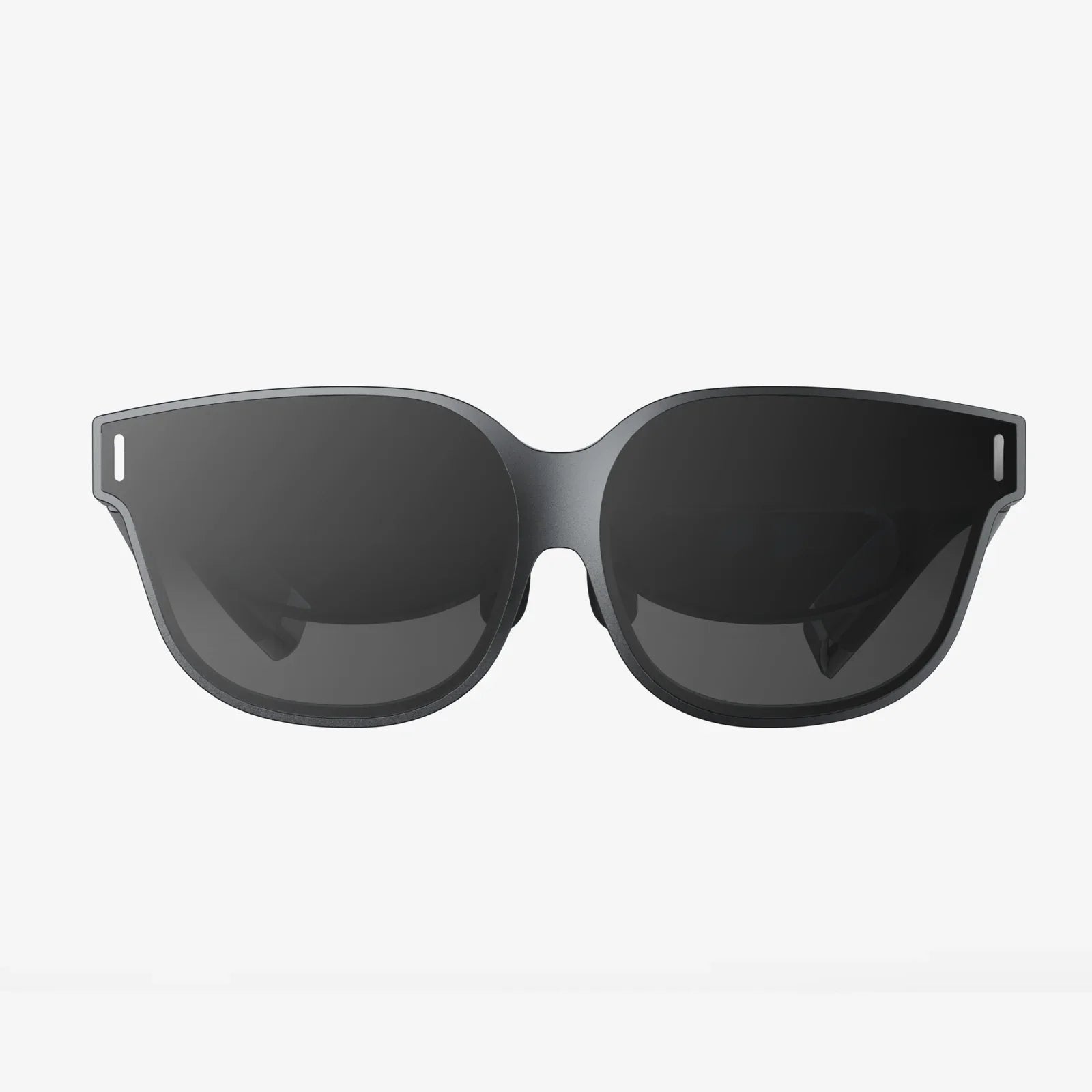
Newer hardware platforms are increasingly being designed with this convergence in mind. They are equipped with high-resolution passthrough cameras, allowing a VR headset to function as an AR device by blending digital overlays with a real-time video feed of the user's surroundings. This capability transforms a device from a portal to another world into a powerful tool for enhancing our own. The ultimate goal, whispered in labs and on earnings calls, is the development of a single, lightweight form factor—perhaps smart glasses—that can effortlessly toggle between full immersion and contextual augmentation based on the user's needs and environment.
Beyond Gaming: The Enterprise Revolution
While consumer entertainment captures headlines, the most profound and immediate impact of VR and AR is happening in the enterprise sector. Companies are leveraging these technologies to solve real-world problems, boost efficiency, and train employees in once-impossible ways.
In manufacturing, AR overlays provide assembly line workers with real-time instructions, highlighting components and displaying torque specifications directly onto the machinery they are repairing, drastically reducing errors and training time. Architects and engineers are using VR to walk clients through unbuilt structures, experiencing the scale and flow of a design long before the first foundation is poured. The medical field is witnessing a revolution, with surgeons planning complex procedures using 3D models of a patient's anatomy and medical students practicing delicate surgeries in risk-free virtual environments. This enterprise adoption is providing the stable revenue and rigorous use-case testing that is fueling further innovation across the entire industry.
The Social Metaverse: Reimagining Connection
The concept of the metaverse, a persistent network of shared virtual spaces, remains a central pillar of virtual reality AR VR news today. However, the narrative has matured significantly. The hype of a purely digital escape is being tempered by a focus on enhancing human connection. The vision is evolving into a hybrid social layer for the internet, where avatars and holograms enable a sense of co-presence that flat video calls can never achieve.
Platforms are emerging that are less about gaming and more about collaboration and socialization. Imagine attending a global business meeting where 3D data models are manipulated by attendees as naturally as physical objects, or watching a live concert with friends from across the globe, feeling as if you are standing side-by-side in the front row. These shared experiences promise to dissolve geographical barriers, creating new avenues for creativity, teamwork, and community. The success of this vision hinges on interoperability—the ability for users and their digital assets to move seamlessly between different virtual spaces—a challenge the industry is still grappling with.
The AI Catalyst: Supercharging Immersive Experiences
It is impossible to discuss the current state of VR and AR without acknowledging the transformative role of artificial intelligence. AI is the silent engine powering the next generation of immersive tech. Generative AI is being used to create vast, dynamic virtual worlds and populate them with intelligent non-player characters that can hold unique, convincing conversations. Computer vision AI enables AR applications to understand and interact with the physical environment—recognizing surfaces, objects, and gestures to place digital content with stunning accuracy.
Furthermore, AI-driven avatars are achieving new levels of realism. Through advanced neural networks, these digital representations can mirror a user's facial expressions and emotions in real-time, erasing the uncanny valley and fostering genuine emotional connection in virtual meetings and social gatherings. This synergy between AI and immersive technology is creating systems that are not just interactive but are perceptive and responsive to human intent.
Navigating the Ethical Landscape: Privacy and the Future
As these technologies become more woven into the fabric of daily life, a wave of critical questions about ethics and society rises to the forefront. The devices that grant us these magical capabilities are also powerful data collection engines. They have the potential to track our movements, monitor our gaze, record our interactions, and even map the intimate spaces of our homes. This data is incredibly valuable for improving user experience but also represents a profound privacy risk if mishandled or exploited.
The industry stands at a crossroads. Establishing clear, transparent, and user-centric data policies is not optional; it is essential for building the trust required for widespread adoption. The conversation in virtual reality AR VR news today must extend beyond technical specs to include robust debates on digital ownership, accessibility, and the psychological effects of long-term immersion. The choices made by developers, corporations, and regulators in the coming years will determine whether the spatial web becomes an open, empowering platform or a closed, surveilled ecosystem.
What's Next: Glimpsing the Horizon
Looking beyond today's announcements, the trajectory points towards even more seamless integration. Research into haptic feedback technology aims to let us feel virtual objects, while advancements in brain-computer interfaces explore the potential for controlling digital environments with thought alone. The hardware will continue its inevitable march towards miniaturization, eventually converging on that elusive pair of ordinary-looking glasses capable of delivering extraordinary experiences.
The true future, however, lies in the applications we haven't yet imagined. As the technology becomes more accessible and the tools for creation are democratized, the most compelling use cases will emerge from artists, educators, and entrepreneurs solving niche problems. The immersive web will become a layer of utility and creativity over our world, as fundamental as the mobile internet is today.
Forget what you thought you knew; the real story isn't just about the technology itself, but about the silent, seismic shift in human experience it's already begun to engineer. The next time you put on a headset or use your phone to see a dinosaur in your living room, remember—you're not just testing a gadget. You're stepping into the earliest prototype of a new reality, and its final form will be shaped by the choices we all make next.
Share:
AI Technology Overview: Understanding the Engine of the Modern World
AI Technology Overview: Understanding the Engine of the Modern World