


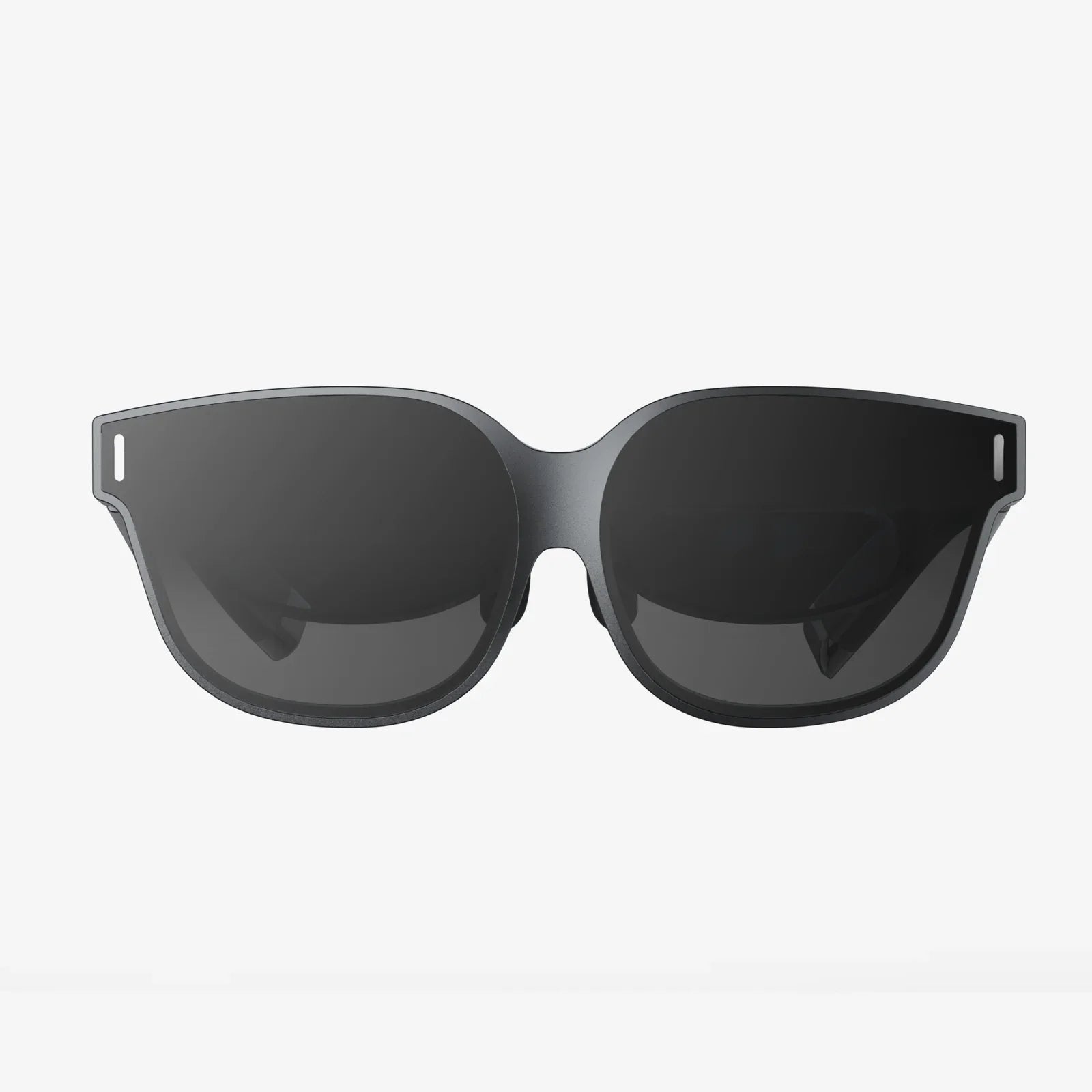
Virtual reality assistant jobs are quietly becoming one of the most exciting ways to earn a living online, blending the freedom of remote work with the thrill of immersive 3D worlds. If you have ever imagined walking clients through virtual showrooms, hosting events in digital auditoriums, or helping busy professionals manage their lives from inside a headset, you are looking at a career path that barely existed a few years ago but is rapidly gaining momentum.
While many people still think of virtual reality as something only gamers care about, companies, educators, coaches, and entrepreneurs are already hiring people to help them run meetings, experiences, and businesses inside virtual environments. That means virtual reality assistant jobs are not just a futuristic fantasy; they are a practical way to stand out in a crowded remote job market and position yourself for long-term growth in the digital economy.
What Are Virtual Reality Assistant Jobs?
Virtual reality assistant jobs combine traditional remote assistant responsibilities with tasks performed in immersive 3D spaces. Instead of only handling emails and calendars on a laptop, a virtual reality assistant might also greet visitors in a virtual lobby, guide a client through a 3D training simulation, or help manage interactive events in a virtual conference center.
At their core, these roles are about support and coordination. The difference is the environment: rather than being limited to flat screens, you operate inside digital worlds where people appear as avatars and interact with virtual objects, rooms, and tools.
Typical Responsibilities in Virtual Reality Assistant Roles
Although every employer will have unique needs, many virtual reality assistant jobs share a common set of tasks:
- Virtual event hosting: Welcoming attendees, guiding them to the right spaces, and helping them use VR features during meetings, workshops, or conferences.
- Environment setup and management: Preparing virtual rooms, arranging digital assets, configuring seating, screens, or interactive elements before sessions.
- Technical onboarding: Helping new users get comfortable with VR controls, navigation, and etiquette so they can participate confidently.
- Administrative support: Handling schedules, reminders, follow-up emails, file organization, and documentation associated with VR events or projects.
- Customer and client support: Answering questions, troubleshooting basic issues, and providing guidance during live sessions.
- Content coordination: Uploading slides, videos, or 3D assets to virtual spaces and ensuring they display correctly during sessions.
- Data and feedback collection: Recording attendance, gathering feedback from participants, and summarizing key outcomes for clients or teams.
Many roles blend traditional virtual assistant work with these immersive responsibilities, making them ideal for people who already have remote work experience but want to move into a more innovative niche.
Why Virtual Reality Assistant Jobs Are Growing Fast
Several trends are driving the rapid rise of virtual reality assistant jobs, and understanding them can help you see why this field offers strong long-term potential.
The Shift Toward Remote and Hybrid Work
Remote work is now a permanent part of the global job landscape. Organizations are looking for ways to make distributed collaboration feel more engaging and connected than traditional video calls. Virtual reality offers a sense of presence and interaction that 2D screens simply cannot match, and assistants help make that experience smooth and accessible.
Immersive Training and Education
From corporate training simulations to virtual classrooms, immersive learning is becoming more popular because it is interactive and memorable. Virtual reality assistants help instructors manage classes, coordinate activities, and support learners inside these environments, enabling large-scale training without physical facilities.
Virtual Events, Conferences, and Networking
Online events are here to stay, but many organizers want experiences that feel more like in-person gatherings. Virtual reality platforms allow attendees to walk around, network, and interact with exhibits in a way that mimics real life. Virtual reality assistants are essential for setting up venues, guiding participants, and solving problems in real time.
Digital Commerce and Virtual Showrooms
Businesses are experimenting with virtual stores and showrooms where customers can explore products in 3D. A virtual reality assistant might act as a concierge, answering questions, demonstrating features, and collecting customer preferences, much like an in-store associate would do in the physical world.
Personal Productivity and Lifestyle Services
Some individuals and entrepreneurs use virtual reality for focus sessions, planning, or wellness activities. Virtual reality assistants can help schedule these experiences, manage resources, and act as a guide or facilitator, blending personal assistant tasks with immersive support.
Types of Virtual Reality Assistant Jobs
Virtual reality assistant roles can vary widely depending on the industry and the employer. Here are some of the most common types you might encounter.
Virtual Event and Community Assistants
These assistants focus on managing events and communities inside virtual worlds. Their responsibilities may include:
- Hosting regular community meetups and networking events.
- Moderating discussions to keep them respectful and on-topic.
- Guiding newcomers through onboarding and orientation sessions.
- Coordinating guest speakers and presenters.
- Documenting community feedback and engagement metrics.
These roles are ideal for people who enjoy social interaction, community-building, and public speaking.
Corporate Training and Workshop Assistants
In training-focused environments, virtual reality assistants help instructors deliver smooth and impactful sessions. They often:
- Prepare training rooms and simulations before each session.
- Check that all necessary assets and tools are ready and functioning.
- Assist participants with navigation and interaction during exercises.
- Record attendance, performance metrics, and key outcomes.
- Support follow-up tasks like sending materials or surveys.
This path suits detail-oriented professionals who like structured processes and educational settings.
Virtual Administrative and Executive Assistants
Some executives, consultants, and creators run a large portion of their business from virtual environments. Virtual reality assistants in these roles might:
- Schedule and manage meetings held in VR spaces.
- Set up virtual offices, boardrooms, or studios.
- Take notes or record sessions during virtual meetings.
- Coordinate with other team members across time zones.
- Handle traditional tasks like inbox management and document organization.
These roles are a natural evolution of traditional virtual assistant jobs, with added responsibilities in immersive environments.
Sales, Marketing, and Customer Experience Assistants
When companies use virtual reality to showcase products or services, they often need assistants to support customer journeys. Tasks can include:
- Greeting visitors inside virtual showrooms or demo spaces.
- Guiding potential clients through interactive product experiences.
- Answering questions and recording customer preferences.
- Collecting feedback on the virtual experience itself.
- Coordinating follow-ups with sales or support teams.
These roles are ideal for people who are comfortable with soft sales, customer communication, and relationship-building.
Education, Coaching, and Wellness Assistants
Teachers, coaches, and wellness practitioners are exploring virtual reality to deliver more engaging sessions. Virtual reality assistants in this space may:
- Set up virtual classrooms, studios, or retreat environments.
- Help participants join sessions and understand the tools.
- Manage breakout rooms or small group activities.
- Provide technical and emotional support during immersive experiences.
- Handle scheduling, reminders, and post-session follow-up.
These roles appeal to people who enjoy helping others learn, grow, or relax in supportive environments.
Key Skills Needed for Virtual Reality Assistant Jobs
You do not need to be a programmer or a high-level designer to succeed as a virtual reality assistant. However, you do need a mix of soft skills, technical comfort, and organizational abilities.
Soft Skills
- Communication: Clear, friendly communication is essential, especially when guiding people who are new to VR.
- Patience and empathy: Some users may feel overwhelmed or disoriented in virtual environments; your calm support will make a big difference.
- Problem-solving: You will often encounter small technical or logistical issues that require quick thinking.
- Professionalism: Even though the environment feels like a game, clients expect reliable, respectful behavior.
- Adaptability: VR tools and platforms evolve quickly, so you must be comfortable learning and adjusting.
Technical Skills
- Basic VR hardware knowledge: Understanding how to set up headsets, controllers, and tracking systems.
- Familiarity with at least one VR platform: Knowing how to navigate menus, customize avatars, and manage spaces.
- Troubleshooting fundamentals: Handling common issues like audio problems, connection errors, or tracking glitches.
- Comfort with collaboration tools: Using project management, communication, and documentation tools alongside VR.
Organizational and Administrative Skills
- Scheduling and coordination: Managing calendars, time zones, and event logistics.
- Documentation: Keeping organized records of sessions, notes, and action items.
- Attention to detail: Ensuring environments are correctly configured and assets are ready.
- Time management: Balancing multiple clients or projects efficiently.
If you already have experience as a virtual assistant, customer support representative, teacher, or event coordinator, you likely possess many of these skills and can adapt them to the virtual reality context.
How to Get Started in Virtual Reality Assistant Work
Breaking into virtual reality assistant jobs may feel intimidating at first, but you can approach it step by step. The goal is to build familiarity, create proof of your abilities, and then present yourself confidently to potential clients or employers.
Step 1: Get Comfortable with Virtual Reality
If you have never used a headset before, start by learning the basics:
- Practice putting on and adjusting a headset properly.
- Learn how to navigate menus, select objects, and move around.
- Explore a few different types of VR experiences, such as social spaces, productivity apps, or training demos.
- Pay attention to what feels intuitive and what feels confusing; this will help you empathize with new users later.
You do not need to become an expert gamer; you just need to be comfortable enough to guide others.
Step 2: Choose a Focus Area
While you can remain a generalist, it often helps to choose a niche that aligns with your strengths. Consider:
- Do you prefer corporate environments, education, events, or wellness?
- Are you more energized by one-on-one support or large group facilitation?
- Do you enjoy structured tasks or creative, interactive experiences?
Once you have a rough focus, you can tailor your learning and portfolio to that area.
Step 3: Learn One or Two VR Platforms Well
Instead of trying to master every platform, pick one or two and become highly comfortable with them. Focus on:
- Creating and customizing avatars.
- Joining and hosting events or rooms.
- Managing basic permissions and settings.
- Uploading or arranging content like slides or images.
- Understanding the platform’s etiquette and best practices.
Being able to say you are proficient in specific platforms makes you more attractive to clients already using those tools.
Step 4: Build a Simple Portfolio
Even for support roles, a portfolio helps you stand out. You can include:
- Short descriptions of virtual events you have hosted or helped run.
- Screenshots or recordings of virtual spaces you have set up.
- Examples of checklists, run-of-show documents, or onboarding guides you created.
- Testimonials from people you have helped, even informally.
If you do not have client experience yet, create practice scenarios: host a mock event for friends, design a sample training room, or build a step-by-step onboarding guide for new VR users.
Step 5: Position Yourself Professionally
Once you have some experience and a portfolio, present yourself as a professional virtual reality assistant:
- Update your resume or profile to highlight VR-specific skills and platforms.
- Describe your services clearly, emphasizing how you help clients save time, reduce stress, and deliver better experiences.
- Mention both your traditional administrative skills and your immersive environment capabilities.
Clear positioning makes it easier for potential clients to see the value you offer.
Where to Find Virtual Reality Assistant Jobs
Virtual reality assistant jobs can appear in a variety of places, sometimes under different titles. Knowing where to look and what to search for will increase your chances of finding the right opportunities.
Online Job Boards and Marketplaces
Look for roles using keywords such as:
- "virtual reality assistant"
- "VR assistant"
- "virtual event assistant"
- "immersive experience coordinator"
- "virtual world community manager"
- "remote VR support"
Even if the job title does not mention virtual reality directly, the description might reveal that the role involves VR platforms or immersive events.
Freelance and Remote Work Platforms
Many clients prefer to hire virtual reality assistants on a freelance or contract basis, especially when they are experimenting with VR for the first time. On remote work platforms, highlight your:
- VR platform experience.
- Event hosting or coordination background.
- Technical support skills.
- Ability to work across time zones.
Consider creating service packages, such as "VR event setup and hosting" or "virtual reality onboarding and support for teams."
Networking in Virtual Communities
One of the best ways to find virtual reality assistant jobs is to spend time in the environments where your future clients already are. Join VR communities, attend public events, and participate in discussions. Over time, people will notice your reliability and expertise, and opportunities can emerge organically.
When you attend events, pay attention to how they are organized. If you see gaps or areas where assistance could improve the experience, consider reaching out to organizers with constructive suggestions and an offer to help.
Direct Outreach to Organizations Using VR
Some organizations publicly share that they use virtual reality for training, events, or collaboration. When you identify such organizations, you can:
- Research their use cases and platforms.
- Identify potential pain points, such as onboarding or event logistics.
- Send a concise message explaining how a virtual reality assistant could support their goals.
Even if they do not have a formal job posting yet, your outreach could prompt them to consider adding a support role.
Challenges and How to Handle Them
Virtual reality assistant jobs are rewarding, but they also come with unique challenges. Being aware of these in advance helps you prepare and present yourself as a resilient professional.
Technical Issues and User Frustration
Headsets may disconnect, audio may fail, or users may struggle with controls. As the assistant, you are often the first person they turn to for help. To handle this:
- Maintain simple troubleshooting checklists for common problems.
- Practice explaining fixes in clear, non-technical language.
- Stay calm and reassuring, even when issues disrupt plans.
Your ability to manage technical hiccups with grace will make you invaluable.
Motion Sickness and Comfort
Some people experience motion sickness or discomfort in VR. As an assistant, you can:
- Encourage frequent breaks, especially for new users.
- Recommend comfortable movement settings, such as teleportation instead of smooth locomotion.
- Be attentive to signs of discomfort and respond promptly.
Showing care for participants’ well-being builds trust and positive word-of-mouth.
Rapidly Changing Tools and Platforms
Virtual reality technology evolves quickly. Features change, interfaces update, and new platforms appear. To stay current:
- Set aside time regularly to explore updates and new tools.
- Follow communities or news sources related to VR.
- Be honest with clients about what you know and what you are still learning.
A learning mindset is more important than knowing everything from day one.
Balancing Multiple Time Zones and Schedules
Virtual reality events often involve global participants. As an assistant, you may need to manage complex schedules. To handle this:
- Use reliable calendar tools with clear time-zone conversions.
- Confirm event times explicitly in communications.
- Create personal routines that support flexible hours without burnout.
Strong scheduling habits will make you a dependable partner for international teams.
Future Prospects for Virtual Reality Assistant Careers
The future of virtual reality assistant jobs looks promising, especially as immersive technology becomes more accessible and mainstream. Several long-term trends support this outlook.
Broader Adoption of Immersive Workspaces
As more organizations experiment with virtual offices and collaboration spaces, the demand for people who can manage and support those environments will grow. Virtual reality assistants may evolve into specialized roles like immersive operations managers or virtual workplace coordinators.
Integration with Augmented Reality and Mixed Reality
Over time, virtual reality will increasingly blend with augmented and mixed reality, creating a spectrum of immersive tools. Assistants who understand how to support users across these experiences will be especially valuable, opening doors to roles that bridge physical and digital environments.
New Specializations and Career Paths
As the field matures, you may see more specialized roles emerge, such as:
- Immersive learning assistant.
- Virtual event production coordinator.
- Metaverse community operations specialist.
- Virtual workplace experience designer.
Starting as a virtual reality assistant can be a gateway into these higher-level positions as you gain experience and expertise.
How to Stand Out in the Virtual Reality Assistant Job Market
As more people discover this career path, competition will increase. To stand out, focus on a combination of excellence, visibility, and reliability.
Deliver Exceptional Experiences
Clients remember assistants who make their lives easier. Aim to:
- Anticipate needs before they are voiced.
- Offer helpful suggestions to improve events or workflows.
- Follow up promptly and thoroughly after sessions.
Consistently delivering high-quality support leads to repeat work and referrals.
Showcase Your Unique Strengths
Think about what sets you apart. Maybe you have a background in teaching, theater, design, or customer service. Emphasize how that experience enhances your work in VR, whether it is making instructions clearer, environments more engaging, or interactions more welcoming.
Build a Recognizable Presence
Participate actively in virtual communities, share insights, and offer help when you can. Over time, people will associate your name and avatar with reliability and expertise, making you a natural choice when opportunities arise.
Invest in Your Own Growth
Set goals for yourself, such as learning a new platform every few months or improving your public speaking skills. The more you grow, the more you can offer clients, and the more confident you will feel stepping into new challenges.
Turning Virtual Reality Assistant Jobs into a Long-Term Career
Virtual reality assistant jobs are more than just a short-term trend; they can form the foundation of a long-term, resilient career in the digital world. By combining your existing strengths with new immersive skills, you can carve out a role that is both future-focused and deeply human.
Imagine being the person organizations rely on to make their most important virtual events run smoothly, the guide who helps newcomers feel at home in unfamiliar digital spaces, or the coordinator who keeps complex virtual projects moving forward. As immersive technology continues to spread across industries, that kind of expertise will only become more valuable.
If you have been looking for a way to stand out in the remote job market, virtual reality assistant jobs offer a powerful opportunity. You can start small, learn at your own pace, and gradually build a portfolio that showcases your ability to operate confidently in immersive environments. The sooner you begin exploring this path, the better positioned you will be as virtual worlds become a normal part of how we work, learn, and connect.
Share:
People's Reaction to Virtual Reality Across Emotions, Behavior, and Society
ar glasses for gaming china: Immersive Play, Local Trends and Future Potential