


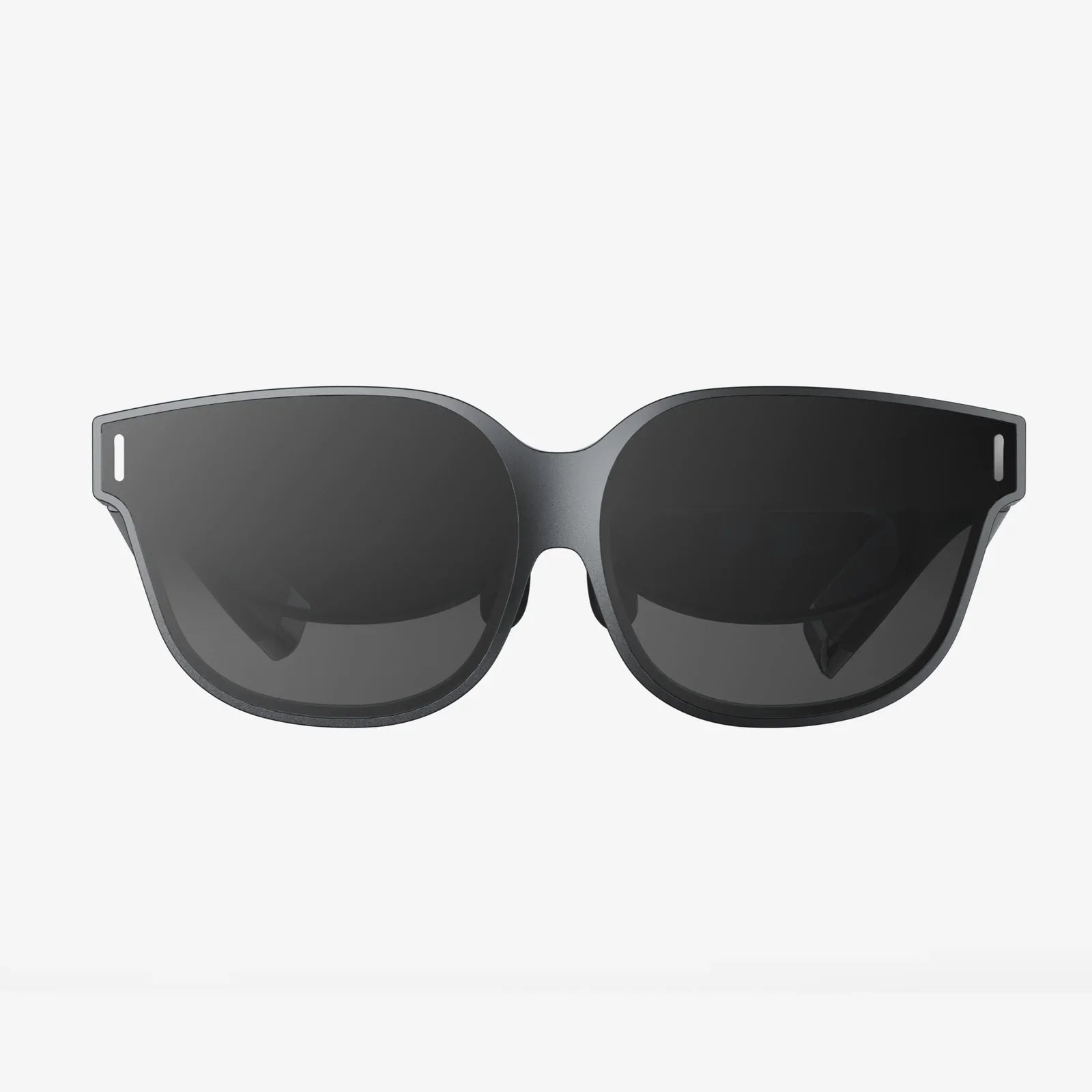
Imagine strapping on a headset and instantly transporting yourself to another world—walking with dinosaurs, performing complex surgery, or simply attending a meeting from the comfort of your living room. This is the extraordinary promise of virtual reality, a technology that has vaulted from science fiction into our daily lives with breathtaking speed. But as we eagerly don our headsets and step into these meticulously crafted digital realms, crucial questions demand our attention: What are we gaining, and what might we be sacrificing at the altar of immersion? The journey into VR is one of incredible potential shadowed by profound ethical and practical dilemmas, a frontier we are only beginning to map.
The Allure of Immersion: A Spectrum of Extraordinary Benefits
The core power of virtual reality lies in its unique ability to induce a state known as presence—the undeniable, often unsettling sensation of actually being in a digitally constructed space. This psychological phenomenon is the engine driving its most transformative applications, creating benefits that extend far beyond entertainment.
Revolutionizing Education and Training
Perhaps the most immediate and powerful benefit of VR is its capacity for experiential learning. Traditional education often relies on abstract concepts and two-dimensional representations. VR shatters these limitations.
- Skill Acquisition and Muscle Memory: Surgeons can practice intricate procedures on virtual patients, making mistakes without consequence. Mechanics can learn to dismantle and reassemble complex engines. Athletes can rehearse plays in a virtual stadium, building neural pathways as if they were on the actual field. The level of fidelity allows for the development of precise physical skills in a zero-risk environment.
- Historical and Scientific Exploration: Students are no longer limited to reading about ancient Rome; they can walk through a digitally reconstructed Forum, hearing the sounds and observing the scale of the architecture. They can journey through the human bloodstream or stand on the surface of Mars, transforming abstract textbook chapters into tangible, memorable experiences that enhance retention and comprehension.
- Soft Skills and Empathy Training: VR is being used to train professionals in high-stakes communication, such as doctors delivering difficult news to patients or managers conducting performance reviews. More profoundly, it serves as an empathy machine, allowing individuals to experience the world from another's perspective—simulating the sensory experiences of someone with autism or the challenges faced by a refugee.
Transforming Healthcare and Therapy
The healthcare sector has emerged as a pioneer in beneficial VR applications, leveraging its immersive qualities for both treatment and healing.
- Pain Management: By immersing patients in calming, engaging virtual environments, VR acts as a powerful non-pharmacological analgesic. It distracts the brain from processing pain signals, proven effective for burn victims during wound care, women in labor, and individuals suffering from chronic pain conditions.
- Exposure Therapy and Phobia Treatment: Therapists can gradually and safely expose patients to their fears—be it heights, flying, public speaking, or spiders—within a completely controlled virtual setting. This controlled exposure allows patients to confront and manage their anxiety in a way that would be logistically difficult, expensive, or overwhelming in the real world.
- Physical and Cognitive Rehabilitation: Stroke victims and individuals with mobility issues can engage in virtual physiotherapy exercises that are gamified, making repetitive motions more engaging and allowing for precise tracking of progress. It also shows promise in cognitive rehabilitation for patients with brain injuries or neurological conditions.
Redefining Social Connection and Remote Work
In an increasingly global and remote world, VR offers a compelling alternative to the flat, grid-based video call.
- The Sense of Shared Space: Collaborative VR platforms allow colleagues from across the globe to meet around a virtual table, examine 3D models together, and interact with body language and avatars, fostering a stronger sense of teamwork and presence than traditional video conferencing can provide.
- New Forms of Socialization: For individuals with social anxiety, physical disabilities, or geographic isolation, VR social spaces can provide a lower-pressure environment to connect with others, build communities, and combat loneliness through a sense of shared activity and presence.
The Flip Side of the Coin: Navigating the Inherent Risks
For all its promise, the very immersion that makes VR so powerful also seeds its greatest dangers. This technology is not a neutral tool; it interacts with human psychology in ways we are only beginning to understand, presenting a matrix of risks that society must proactively address.
Psychological and Neurological Impacts
The brain's plasticity means that intense virtual experiences can have real and lasting effects.
- Reality Blurring and Dissociation: Prolonged exposure to hyper-realistic or fantastical virtual worlds can lead to a phenomenon sometimes called VR dissociation or simulation sickness of the mind. Users may experience a temporary disconnect from physical reality, struggling to reacclimatize to the real world. The long-term cognitive effects of repeatedly tricking the brain into believing it is somewhere it is not remain largely unknown.
- Behavioral Conditioning: VR's efficacy in training is a double-edged sword. The same mechanisms that teach a surgeon can be used to desensitize an individual to violence or condition behaviors for malicious purposes. The intensity of the experience can embed lessons and reactions more deeply than other media.
- Cybersickness: A significant portion of users experience a form of motion sickness characterized by dizziness, nausea, headaches, and eye strain. This is caused by a mismatch between the visual perception of movement in the headset and the vestibular system's sense of being stationary.
Privacy and Data Security: The Ultimate Surveillance Tool
VR headsets are not just cameras and screens; they are sophisticated biometric data collection devices.
- Biometric Data Harvesting: These devices can track and record eye gaze, pupil dilation, hand gestures, body movements, vocal inflections, and even emotional responses inferred from behavior. This constitutes a treasure trove of intimate data far beyond what smartphones collect, revealing not just what we look at, but how we look at it, what captures our attention, and what elicits an unconscious reaction.
- The Threat of Profiling and Manipulation: This data could be used to build unnervingly accurate psychological profiles, which could then be exploited for targeted advertising, political manipulation, or social engineering. The immersive nature of VR makes users potentially more susceptible to such influence.
- Unprecedented Surveillance: The concept of virtual eavesdropping takes on a new meaning. A malicious actor could potentially map a user's physical room through the headset's sensors or record their interactions and private conversations within a social app.
Social and Ethical Quandaries
The societal implications of widespread VR adoption pose profound ethical questions.
- Escapism and Neglect of the Physical World: If a virtual world becomes more appealing, rewarding, or comfortable than reality, it risks fostering severe escapism. Individuals might neglect real-world relationships, responsibilities, and their physical environment, leading to social isolation and a degradation of real-world communities.
- The Potential for Addiction: The compelling and immersive nature of VR experiences, especially in gaming and social spaces, carries a high potential for behavioral addiction. The dopamine loops and sense of achievement can be powerfully seductive, particularly for younger users.
- Exacerbating Inequality: High-quality VR requires significant financial investment in hardware and computing power, creating a digital divide. This could lead to a future where the wealthy have access to superior education, training, and experiences in VR, while others are left behind in the meatspace.
- Identity and Harassment: While avatars can be liberating, they also enable new forms of deception and harassment. Virtual assault—the violation of a user's personal space within a VR environment—has already been reported and can have shockingly real psychological trauma due to the brain's sense of presence.
Charting a Responsible Path Forward
Navigating this complex landscape of benefits and risks requires a multi-faceted approach involving developers, regulators, and users themselves. The goal cannot be to halt progress, but to guide it with careful forethought and robust ethical frameworks.
Ethical Design and Regulation: Developers must embrace privacy by design, ensuring data collection is minimal, transparent, and secure. Clear ethical guidelines are needed for obtaining informed consent for biometric data usage. Regulatory bodies may need to create new classifications and rules for this unique technology, particularly concerning data rights and user safety.
Digital Literacy and Critical Awareness: Users must be educated about both the potential and the pitfalls. Understanding how their data is being used and recognizing the signs of negative psychological impacts like addiction or dissociation are crucial skills for the VR age. Parents need tools and knowledge to guide their children's use of this powerful medium.
Balanced Integration: The healthiest approach is to view VR as a tool to augment reality, not replace it. Deliberate practices, such as taking regular breaks, maintaining strong real-world social connections, and critically engaging with virtual content, are essential for sustainable and healthy use.
The door to the virtual world is now open, offering a vista of experiences that range from the miraculous to the unsettling. It presents us with a mirror reflecting our greatest hopes for connection, learning, and transcendence, alongside our deepest fears of manipulation, alienation, and loss of self. The future of this technology is not predetermined; it will be shaped by the choices we make today. Embracing its benefits while vigilantly mitigating its risks is one of the most defining challenges—and opportunities—of our time. The ultimate virtual reality test may not be of the technology itself, but of our collective wisdom to wield it.
Share:
Implementing Spatial Audio in VR: The Complete Guide to Building Immersive Soundscapes
Virtual Reality Branding The Ultimate Immersive Frontier for Modern Marketers