


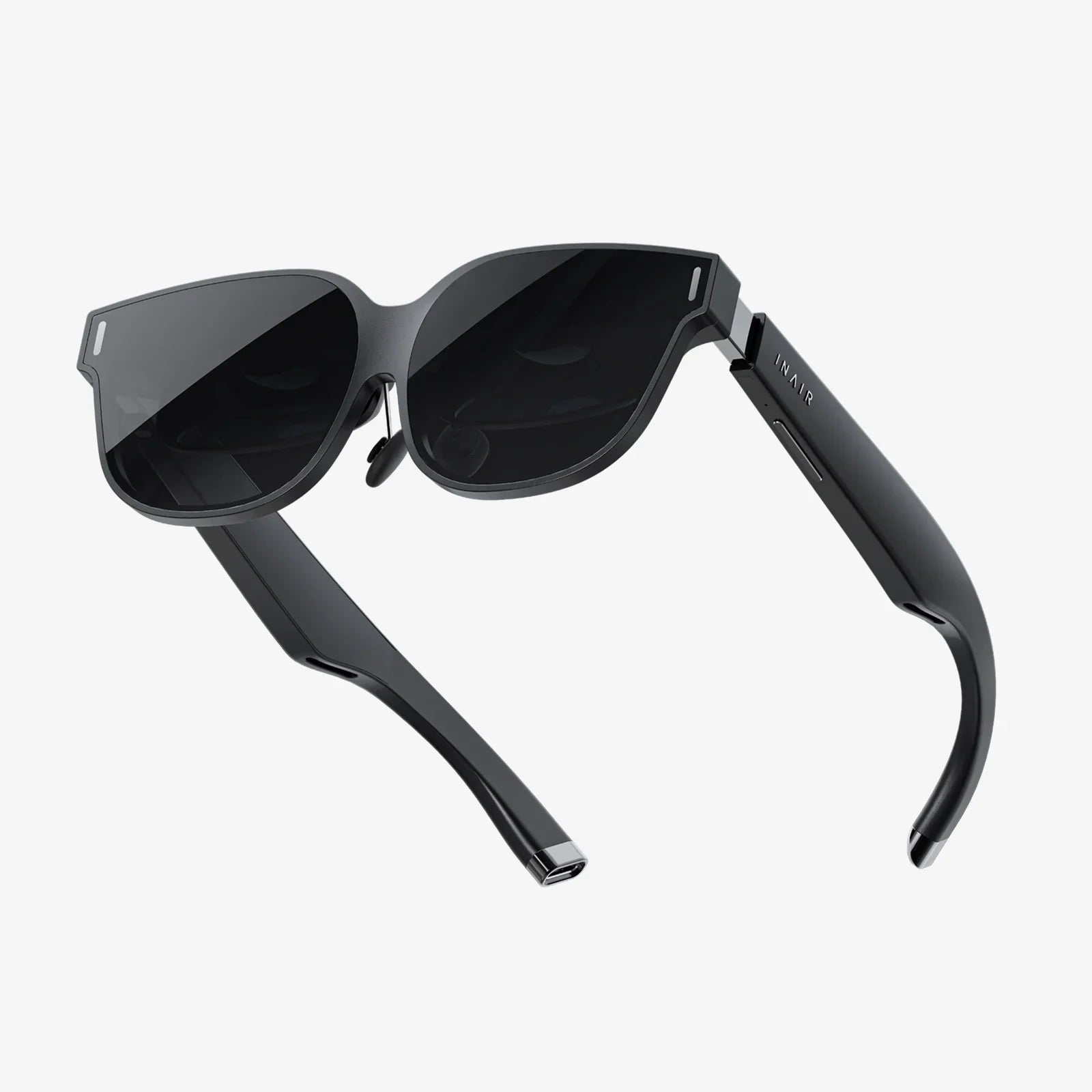
The headset descends, and the physical world dissolves. In an instant, you are no longer in your office or living room; you are walking through a factory floor you’ve never visited, standing in a home that hasn’t been built, or practicing a complex surgical procedure without a patient on the table. This is the power of virtual reality, and it’s no longer just a fantasy. Across the global economy, forward-thinking enterprises are leveraging VR not as a futuristic gimmick, but as a serious tool for solving real-world business problems, driving efficiency, and creating unprecedented levels of engagement. The commercial applications of virtual reality are here, and they are fundamentally altering the landscape of industry.
The Foundational Shift: From Novelty to Necessity
The journey of VR from a niche gaming peripheral to a core business technology has been accelerated by advancements in affordability, graphical fidelity, and user comfort. Early adopters were often large corporations with massive budgets, but today, the technology is increasingly accessible to small and medium-sized businesses. This democratization is powered by more powerful and affordable computing hardware, standalone VR headsets that untether the user from a PC, and a growing ecosystem of software developers creating enterprise-grade applications.
The core value proposition of VR in a commercial context lies in its ability to simulate reality. It creates a controlled, repeatable, and safe digital environment where users can learn, experiment, and experience things that would be too dangerous, expensive, or logistically impossible in the physical world. This simulation capability is the thread that ties together its diverse applications across sectors.
Revolutionizing Corporate Training and Development
Perhaps the most impactful and rapidly adopted commercial application of VR is in the realm of employee training. Traditional training methods—manuals, videos, lectures—often suffer from low retention rates and an inability to prepare employees for high-pressure situations. VR training solves this by doing, not just watching.
Hands-On Learning in High-Stakes Environments
Industries like manufacturing, energy, and aviation are using VR to train employees on complex machinery and safety protocols. Trainees can practice operating a million-dollar piece of equipment, learn to respond to a hazardous chemical spill, or execute emergency procedures on an aircraft—all without any risk to themselves, others, or expensive assets. Mistakes become valuable learning moments, not catastrophic failures.
Sharpening Soft Skills
Beyond technical skills, VR is exceptionally effective for soft skills training. Using lifelike avatars and AI-driven dialogue systems, employees can practice difficult conversations, sales pitches, customer service interactions, and public speaking. The immersive nature of VR triggers genuine psychological and physiological responses, making the training feel real and the lessons learned more sticky. A employee can practice firing a virtual employee dozens of times, receiving feedback and building muscle memory for empathy and clarity, before ever having to conduct a real meeting.
Onboarding and Collaboration
For global companies, VR provides a powerful solution for onboarding new hires and fostering collaboration among distributed teams. Instead of a static video call, teams can meet in a persistent virtual office, brainstorm on 3D models, and share ideas as if they were in the same room. This fosters a stronger sense of culture and connection, reducing the isolation that can come with remote work.
Transforming the Retail and Customer Experience
The retail sector is undergoing a seismic shift, and VR is at the forefront of creating the next generation of shopping experiences. It moves beyond the limitations of e-commerce websites and physical store footprints to offer something entirely new: experiential engagement.
Virtual Showrooms and Try-Before-You-Buy
Automotive companies were early pioneers, allowing customers to configure a car and then take it for a virtual test drive on a scenic route, all from a dealership showroom. Furniture retailers enable shoppers to place true-to-scale 3D models of sofas, tables, and decor into a digital scan of their own living room to see how it fits and looks before purchasing. Apparel companies are exploring virtual fitting rooms, where an avatar with the user’s precise measurements can try on clothes, reducing return rates and increasing customer confidence.
Architectural Visualization and Real Estate
In real estate and architecture, VR is a game-changer. Instead of relying on blueprints, 2D renders, or physical models, architects and clients can don a headset and walk through a building before a single brick is laid. They can experience the flow of space, the quality of light at different times of day, and the view from the balcony. Real estate agents can offer virtual tours of properties to international buyers, saving time and expanding their market reach exponentially. For developments that are still under construction, this is an unparalleled sales and marketing tool.
Innovating Design, Prototyping, and Manufacturing
The process of bringing a product to market is long and expensive, often involving countless physical prototypes. VR is streamlining this process in a field known as virtual prototyping.
Collaborative Design Reviews
Engineering and design teams from different disciplines can congregate in a virtual space around a full-scale 3D model of a new product—be it a jet engine, a consumer appliance, or a new sneaker design. They can inspect it from every angle, disassemble it virtually, identify potential design flaws, and make annotations in real-time. This collaborative environment breaks down silos and leads to better products reaching the market faster.
Human Factors and Ergonomics
VR allows designers to test ergonomics and usability with incredible accuracy. An automotive designer can sit in the virtual driver's seat of a new car model to check sightlines, reach controls, and assess comfort. This human-centric design approach, facilitated by VR, ensures products are not only functional but also intuitive and comfortable for the end-user.
Advancing Healthcare and Therapeutics
The commercial applications of VR in healthcare are particularly profound, moving beyond business efficiency to directly impact human well-being.
Medical Training and Surgical Planning
Surgeons are using VR to plan for complex operations. By converting MRI and CT scan data into 3D models, they can navigate a patient’s unique anatomy, practice the procedure, and anticipate challenges before entering the operating room. Medical students can practice suturing, dissections, and diagnoses in a risk-free environment, accelerating their learning curve.
Pain Management and Physical Rehabilitation
VR is a powerful tool for distraction therapy. For patients undergoing painful wound care or physical therapy, immersive experiences can significantly reduce their perceived pain and anxiety. In rehabilitation, VR games and tasks can make repetitive exercises more engaging for patients recovering from strokes or injuries, improving adherence and outcomes.
Exposure Therapy for Mental Health
Therapists are using controlled VR environments to treat phobias (like fear of flying or heights), anxiety disorders, and PTSD. Patients can be gradually and safely exposed to their triggers within the safety of a therapist's office, learning to manage their responses in a controlled setting.
Measuring Success: The Tangible ROI of Virtual Investment
For any commercial application to endure, it must demonstrate a clear return on investment. The business case for VR is becoming increasingly easy to make:
- Cost Reduction: Drastic cuts in travel for training and collaboration, reduced need for physical materials and prototypes, and lower operational risks.
- Increased Efficiency: Faster training cycles, accelerated design and prototyping phases, and streamlined sales processes.
- Improved Safety: Fewer workplace accidents and errors through better-prepared employees.
- Enhanced Engagement: Higher retention rates in training, more compelling customer experiences, and improved employee collaboration.
- Data and Analytics: VR platforms provide invaluable data on user behavior—where a trainee looks during a procedure, how a customer interacts with a product—offering insights impossible to gather in the real world.
Navigating the Challenges to Mainstream Adoption
Despite its promise, the path to ubiquitous VR adoption is not without obstacles. The initial cost of hardware and software development, while falling, can still be a barrier. Concerns around user comfort, such as motion sickness for some individuals, and the social isolation of being in a headset for extended periods, are design challenges that hardware manufacturers continue to address. Furthermore, creating high-fidelity, effective VR content requires specialized skills and can be resource-intensive. Finally, as with any data-connected technology, questions of data privacy and security within these immersive platforms must be thoroughly addressed.
The Future is Immersive: What Lies Ahead?
The current applications are merely the foundation. The future of commercial VR points towards even greater integration with other technologies. The lines between VR and Augmented Reality (AR) will blur, giving rise to Mixed Reality (MR) experiences where digital objects are seamlessly anchored in the real world. The integration of AI will create responsive and intelligent virtual environments that adapt to the user in real-time. Haptic feedback technology will evolve to simulate touch, adding another critical layer of realism. As the technology becomes lighter, more powerful, and ultimately as ubiquitous as the smartphone, its commercial applications will expand into realms we are only beginning to imagine.
Imagine walking through a virtual recreation of an ancient historical site for a history class, negotiating a business deal by shaking hands with a lifelike avatar of a colleague across the globe, or designing a city and experiencing its traffic flow and energy usage in real-time. The potential is limitless. The commercial world has only just begun to scratch the surface of how virtual reality can enhance, augment, and ultimately transform reality itself. The businesses that embrace this immersive wave today are not just investing in a new tool; they are building the foundation for the future of work, commerce, and human connection.
Share:
Virtual Reality in Different Fields: The Digital Revolution Reshaping Our World
Affect3D Virtual Reality: Reshaping Digital Intimacy and Human Connection