


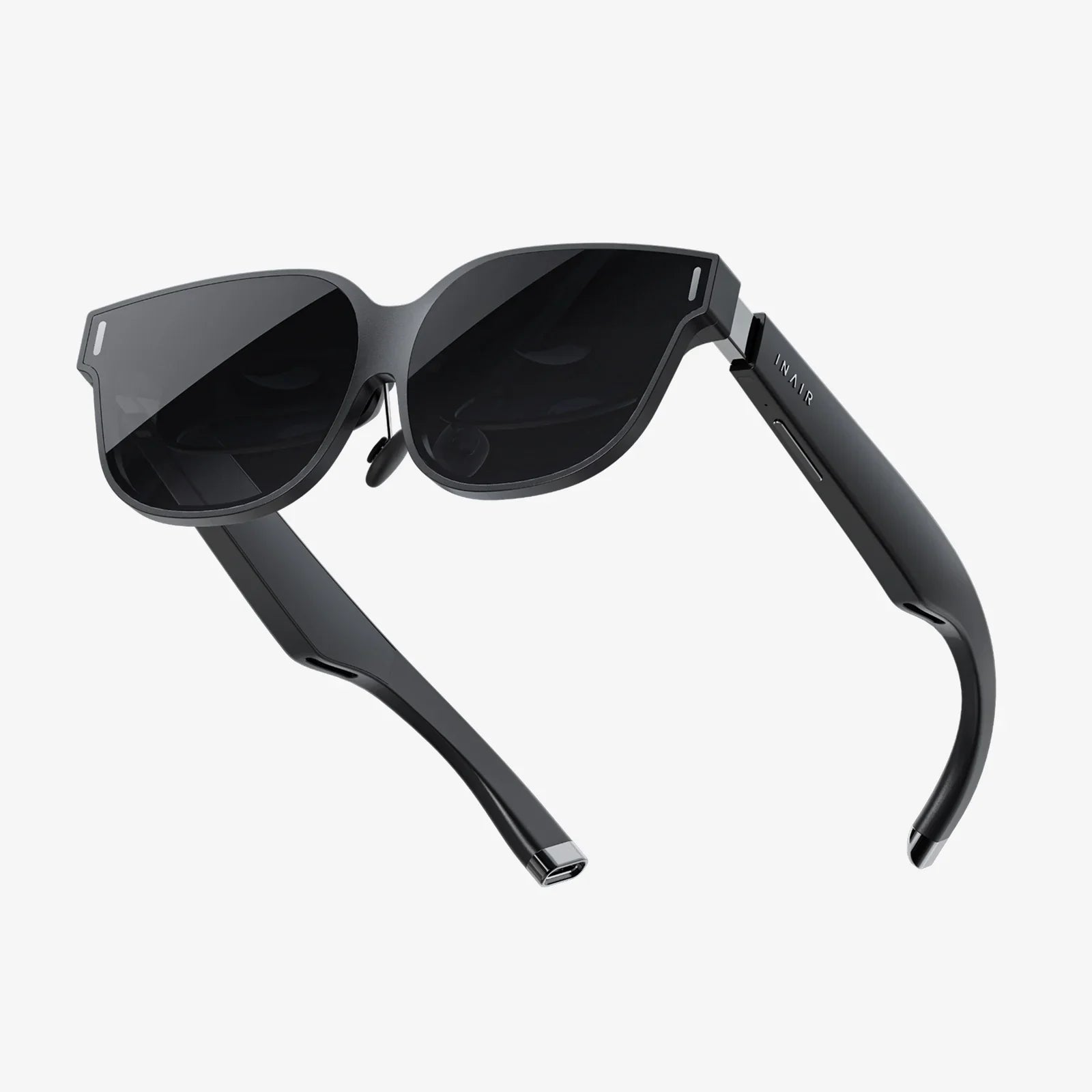
- by wangfred
Virtual Reality Computer Technology: Reshaping Our Digital and Physical Worlds
- by wangfred
Imagine slipping on a headset and instantly being transported to a bustling ancient marketplace, a surgeon’s operating theater, or the surface of Mars. This is no longer the stuff of science fiction; it is the palpable promise of modern virtual reality computer technology, a force poised to fundamentally alter every aspect of our lives. The line between the digital and the physical is not just blurring—it is being actively rewritten by a symphony of advanced processors, sophisticated software, and immersive hardware. This technological revolution offers a glimpse into a future where our interactions, work, and very perceptions are enhanced and expanded beyond the limits of the physical world.
Virtual reality (VR) is not a new concept. Its origins can be traced back to flight simulators and primitive head-mounted displays of the mid-20th century. However, for decades, it remained a tantalizing yet unattainable dream, shackled by the immense computational demands it placed on the technology of the time. The true birth of contemporary VR is inextricably linked to the parallel and explosive evolution of computer technology. It was only when processing power, graphical capabilities, and data transfer speeds reached a critical threshold that VR could shed its clunky, low-fidelity past and emerge as a viable, powerful medium.
This synergy is a perfect example of a symbiotic relationship. VR acts as the ultimate stress test and application for cutting-edge computer technology, constantly pushing the boundaries of what is possible. In return, advancements in computing provide the essential foundation that makes increasingly sophisticated and believable virtual worlds possible. One cannot exist without the other; the dream of immersion is entirely dependent on the engine of computation.
The magic of a convincing virtual experience rests on several interconnected pillars of computer technology, each a marvel of modern engineering.
At the heart of the VR experience is the visual domain. Creating a believable world requires rendering complex, high-resolution 3D environments at extremely high frame rates—typically 90 frames per second (FPS) or higher. This is necessary to prevent latency, which can cause motion sickness and break immersion. This task is monumentally more demanding than traditional screen-based gaming or animation. It requires powerful graphics processing units (GPUs) capable of performing billions of calculations per second to render two slightly different perspectives (one for each eye) simultaneously, complete with advanced lighting, shadows, and textures.
Latency is the enemy of presence—the feeling of actually being in the virtual world. It refers to the delay between a user’s action (like turning their head) and the corresponding update in the display. The human brain is exquisitely sensitive to such delays. High-latency systems create a disorienting and nauseating lag. Advanced computer technology combats this through incredibly fast data pipelines, optimized software algorithms, and high-speed display technologies, striving to keep total motion-to-photon latency under 20 milliseconds, a benchmark for comfort.
For a user to move naturally within a virtual space, the system must track their head and body movements with sub-millimeter precision. This is achieved through a combination of technologies:
The computer’s job is to fuse all this data streams instantaneously to create a seamless and accurate representation of the user’s movement in the digital realm.
Immersion is a multi-sensory experience. Beyond visuals, computer technology drives haptic feedback systems in controllers and even full-body suits. These devices use precise motors and actuators to simulate the sensation of touch—the recoil of a tool, the texture of a surface, or the impact of a virtual object. Similarly, 3D spatial audio is processed in real-time to mimic how sound behaves in the real world, changing based on the user’s position and head orientation, which is critical for selling the illusion of a cohesive space.
The value of virtual reality computer technology extends far beyond entertainment. It is becoming an indispensable tool across numerous sectors, solving real-world problems and creating new paradigms for work and innovation.
VR creates safe, scalable, and incredibly effective training environments. Medical students can practice complex surgical procedures on virtual patients without risk. Aspiring mechanics can disassemble and reassemble intricate engine models. Astronauts train for spacewalks. Employees in high-risk industries like construction, mining, or firefighting can encounter dangerous scenarios in a completely controlled setting. This experiential learning leads to significantly higher knowledge retention and skill mastery compared to traditional methods.
In fields like architecture, automotive design, and manufacturing, VR is revolutionizing the design process. Instead of viewing blueprints on a 2D screen or building expensive physical prototypes, engineers and designers can step inside a full-scale, interactive 3D model of their creation. They can assess ergonomics, identify design flaws, experiment with different materials, and conduct virtual walkthroughs long before ground is broken or a factory tooled. This saves immense amounts of time, resources, and materials.
The healthcare applications are profound. VR is used for exposure therapy to treat phobias and PTSD, allowing patients to confront triggers in a controlled, gradual manner. It aids in physical rehabilitation by turning exercises into engaging games that motivate patients. Surgeons use VR to plan complex operations by rehearsing on a precise virtual model of a patient’s anatomy derived from CT or MRI scans. Furthermore, VR provides therapeutic escapes for bedridden patients, reducing pain and anxiety.
The concept of the "metaverse" hinges on VR's ability to create shared virtual spaces. Instead of a grid of faces on a video call, colleagues from across the globe can meet as lifelike avatars in a virtual boardroom, workshop, or classroom. They can interact with 3D data models, prototypes, and holograms as if they were physically present. This has the potential to dissolve geographical barriers, fostering a new level of collaboration that is both more natural and more productive than current remote tools allow.
Despite its immense potential, the path forward for virtual reality computer technology is not without significant hurdles and profound questions.
Truly high-fidelity VR still requires powerful, and often expensive, computing hardware. This creates a barrier to widespread adoption. Furthermore, form factor and comfort remain issues. Headsets are becoming smaller and wireless, but achieving a perfect blend of high resolution, wide field of view, all-day comfort, and affordability is the industry's holy grail. Advances in chip design, cloud streaming, and display technology are key to overcoming this.
As VR worlds become more compelling, society must grapple with new ethical dilemmas. What are the psychological effects of spending significant time in virtual environments? How do we prevent the exacerbation of social isolation or the creation of a new digital divide? Issues of data privacy, identity, and behavior in virtual spaces are largely uncharted territory. Establishing norms, regulations, and ethical frameworks for these immersive digital societies is a critical challenge that must be addressed in parallel with the technology's development.
A core question remains: can a virtual handshake ever replicate the nuance and emotional weight of a real one? While VR can simulate presence, the authenticity of human connection in these spaces is still evolving. Capturing and transmitting subtle facial expressions, body language, and the unquantifiable "energy" of a physical gathering is the next frontier. The technology must enhance human interaction, not replace its essence.
The journey of virtual reality computer technology is just beginning. We are witnessing the awkward, ambitious, and astonishing first steps into a new dimension of human experience. From the chips that power the dreams to the headsets that deliver them, this is a story of relentless innovation. It’s a portal waiting to be stepped through, offering not an escape from our reality, but a profound new tool to understand it, enhance it, and connect with it on a deeper level than ever before. The virtual door is open; what we find on the other side will ultimately be a reflection of ourselves.
Share:
Key Elements of Virtual Reality: The Core Components Powering the Metaverse
Virtual Reality and Intelligent Hardware: The Symbiotic Future of Human-Computer Interaction