


- by wangfred
Virtual Reality Current Status: Beyond the Hype and Into a New Digital Reality
- by wangfred
Imagine slipping on a headset and instantly being transported to the front row of a concert on the other side of the world, walking through a meticulously designed building years before the foundation is poured, or practicing a complex surgical procedure with zero risk to a patient. This is no longer the stuff of science fiction; it is the tangible, rapidly evolving present of virtual reality. The current status of VR is a fascinating tale of technological convergence, market maturation, and a quiet revolution that is steadily moving beyond early adopter hype to redefine how we work, learn, heal, and connect.
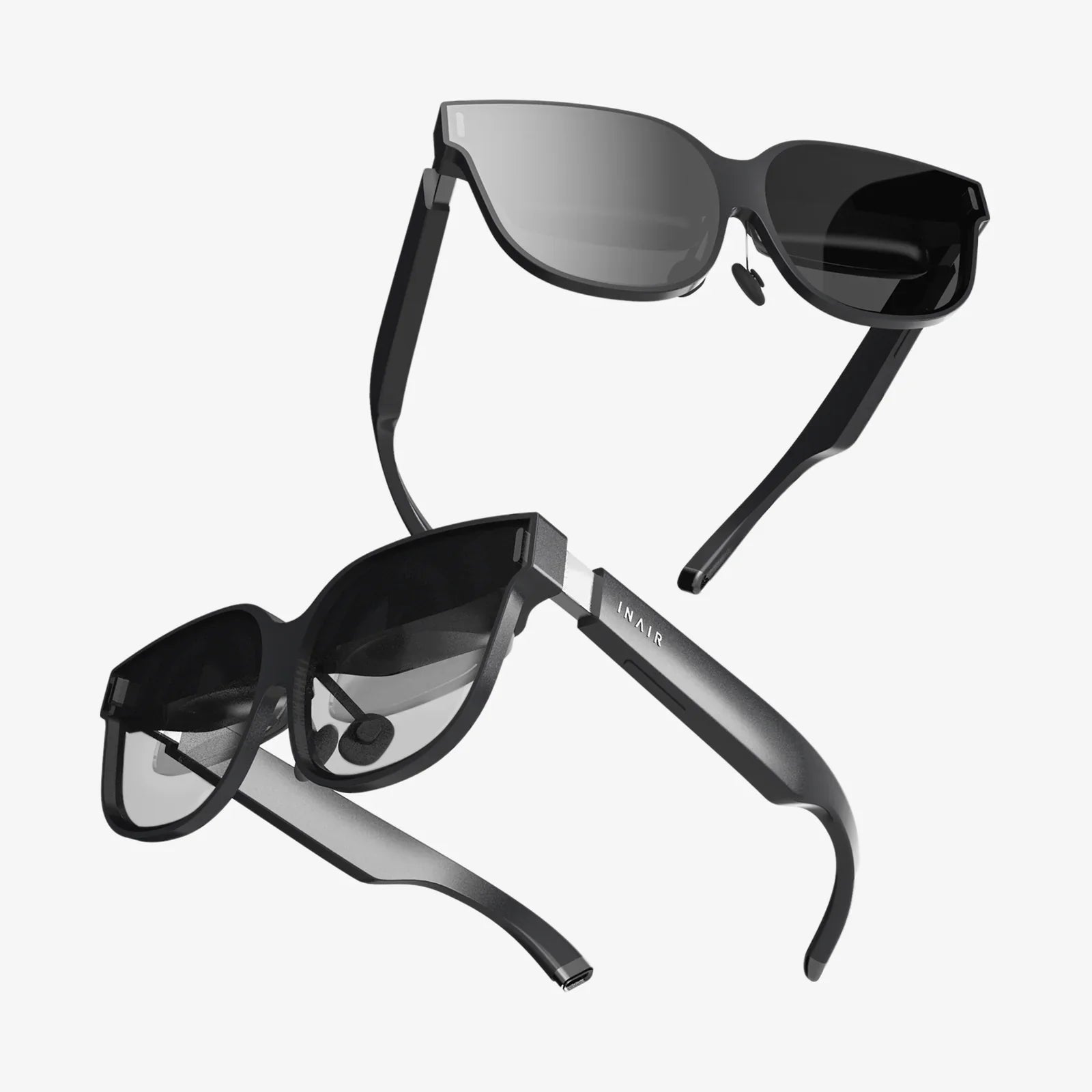
The foundation of any virtual experience is the hardware that creates it. The current VR landscape is characterized by a distinct stratification of devices, catering to different needs and budgets, a sign of a market moving towards maturity.
At the premium end, PC-connected and standalone headsets represent the pinnacle of consumer-grade VR technology. These devices boast high-resolution displays that significantly reduce the "screen door effect"—a grid-like pattern that once plagued early headsets—delivering stunning visual clarity. Inside-out tracking, now a standard feature, uses integrated cameras to map the environment and track controller movements without the need for external sensors, making setup effortless and expanding the potential for room-scale experiences. The combination of powerful mobile processors, like those found in high-end smartphones, with advanced software optimization allows these all-in-one devices to deliver deeply immersive experiences completely untethered from a computer.
Furthermore, critical quality-of-life improvements are making VR more comfortable and intuitive for longer sessions. Lighter materials, better weight distribution, improved ventilation, and modular designs, including optional battery packs for better balance, are addressing the physical fatigue once associated with headset use. These incremental advancements are crucial for moving VR from a novel experience to a practical tool for daily use.
Hardware is nothing without software, and the VR content ecosystem has exploded in both volume and diversity. While the market is still dominated by gaming, which remains a powerful driver of innovation and consumer adoption, the most significant growth is happening elsewhere.
Despite tremendous progress, VR's journey is not without significant obstacles that prevent it from becoming a ubiquitous technology.
The issue of user comfort remains paramount. Simulator sickness, a form of motion sickness caused by a disconnect between what the eyes see and what the body feels, still affects a portion of users. While advancements like higher refresh rates, reduced latency, and better tracking have mitigated this for many, it remains a barrier. Developers are employing clever software techniques, such as providing stable visual reference points and optimizing movement mechanics, to further combat this phenomenon.
The quest for the perfect user interface and input method continues. Controllers, while greatly improved, can still feel abstract and unintuitive for non-gaming applications. The industry is investing heavily in hand-tracking technology, which allows users to interact with the virtual world using their natural hand gestures, and eye-tracking, which enables more intuitive menus and social interactions by knowing where a user is looking. These technologies promise a future of more natural and seamless interaction.
Furthermore, there is the challenge of content discovery and quality assurance. While there are many experiences available, finding high-quality, polished applications can be difficult amidst a sea of smaller, less refined demos. The market needs more sustained, high-budget investment in content that demonstrates the full potential of the medium beyond short-form experiences.
The future of VR is being written in research labs and development studios today, and it points towards even greater immersion and integration into our daily lives.
Augmented Reality (AR) and Mixed Reality (MR) Convergence: The lines between VR and AR are blurring. Modern headsets often feature passthrough cameras that allow users to see their real-world environment in black and white or color. This capability is the foundation for MR, where digital objects are anchored and interact with the physical world. This technology will unlock incredible applications, from overlaying repair instructions onto a broken engine to placing virtual furniture in your living room to see how it fits before you buy.
Hyperrealism and Sensory Expansion: The next frontier is engaging senses beyond sight and sound. Research into haptic feedback is moving beyond simple controller vibrations to full-body suits and gloves that can simulate touch, pressure, and temperature. Olfactory technology, which can generate specific smells, is being explored to deepen immersion. The ultimate goal is photorealistic avatars in social spaces, driven by real-time facial and eye tracking, making digital interactions feel as nuanced and authentic as face-to-face conversations.
The Evolving Role of Artificial Intelligence: AI is set to supercharge VR. AI-powered non-player characters can become more believable and responsive. On a broader scale, AI can be used to generate vast, dynamic virtual worlds on the fly, creating unique experiences for every user. It will also be key in analyzing user behavior within VR for training and therapeutic applications, providing deeper insights and personalized feedback.
The current status of virtual reality is that of a powerful adolescent technology. It has moved past its awkward, early years of promise and potential and is now demonstrating real-world utility and value. It is not yet perfect, nor is it for everyone, but its trajectory is clear. It is becoming more powerful, more comfortable, more intuitive, and, most importantly, more useful. The virtual realm is steadily being woven into the fabric of our professional and personal lives, not as a replacement for reality, but as a profound new layer atop it—a limitless space for human creativity, connection, and exploration.
We are standing at the precipice of a fundamental shift in how we interface with digital information and with each other. The headset is becoming a portal, not just to games, but to new dimensions of productivity, creativity, and human experience that we are only beginning to imagine. The revolution will not be televised; it will be immersive.