


Imagine stepping through your living room wall into a bustling ancient Roman marketplace, feeling the virtual sun on your skin and hearing the chatter of digital merchants. Or picture a surgeon on one continent guiding a delicate operation performed by a robot arm on another, all within a perfectly simulated 3D environment. This is no longer the stuff of science fiction; it is the rapidly evolving, awe-inspiring world of virtual reality, a technology poised to redefine the very fabric of human interaction, work, and play. The journey from a niche concept to a transformative force is one of the most fascinating stories of our time, and it begins with a simple, yet profound, definition.
Deconstructing the Definition: What Exactly is Virtual Reality?
At its most fundamental level, Virtual Reality (VR) is a simulated digital experience that can either replicate a real-world environment or create an entirely imaginary one. However, this simple description barely scratches the surface. The true essence of VR lies in its ability to achieve what technologists call "presence"—the convincing and persuasive feeling of being physically present in that non-physical world. This is the magic ingredient, the holy grail that separates a mere 3D movie from a truly immersive VR experience.
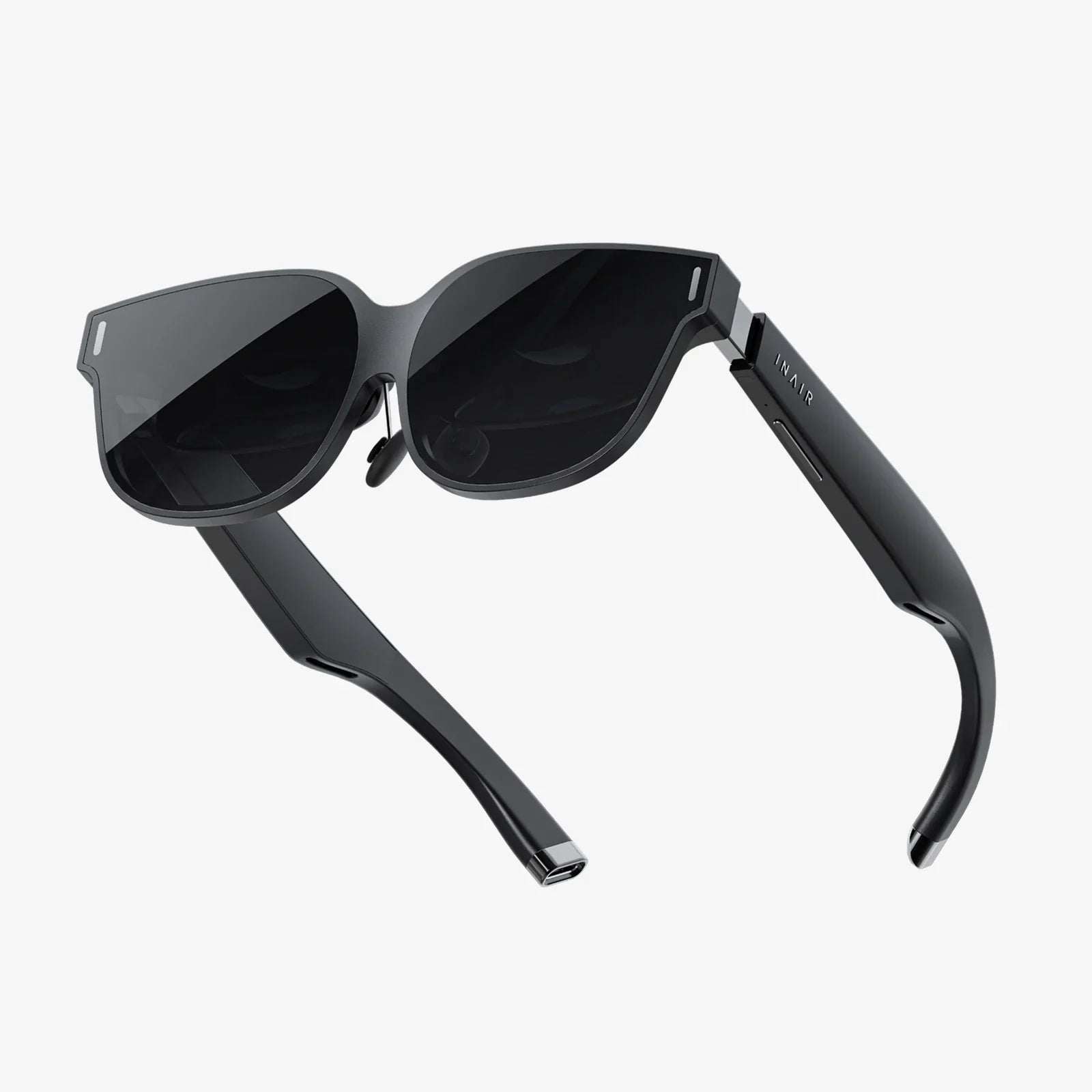
This state of presence is achieved through a combination of sophisticated hardware and software designed to hijack the user's senses, primarily sight and sound, and increasingly touch and even smell. The core components that bring VR to life include:
- Head-Mounted Display (HMD): This is the helmet or goggles that serves as the primary gateway to the virtual world. It houses high-resolution screens placed just inches from the user's eyes, filling their entire field of view.
- Tracking Systems: These systems, using external sensors or built-in cameras, constantly monitor the position of the HMD and any accompanying controllers. They translate the user's real-world movements—a turn of the head, a step forward, a reach of the arm—precisely into the virtual space, creating a seamless link between action and reaction.
- Immersive Audio: Three-dimensional spatial audio is crucial. Sounds in VR come from specific points in the virtual environment, changing volume and directionality as the user moves their head, further cementing the illusion of being somewhere else.
- Input Devices: These are the tools for interaction, from simple handheld controllers with buttons and triggers to more advanced haptic gloves that provide tactile feedback, allowing users to "feel" virtual objects.
It is also critical to distinguish VR from its technological cousins. Augmented Reality (AR) overlays digital information onto the real world (think of navigation arrows on your car's windshield), while Mixed Reality (MR) blends the physical and digital worlds, allowing for interaction between real and virtual objects. VR, by contrast, is all-encompassing; it blocks out the physical world entirely to transport the user elsewhere.
The Engine Room: The Technology Powering the Illusion
The seamless experience of VR is underpinned by immense computational power and complex software. At the heart of every HMD is a set of screens with a very high refresh rate—typically 90Hz or higher. This is essential to prevent latency, the delay between a user's movement and the visual update on the screen. Even a slight lag can break immersion and cause motion sickness, a phenomenon known as simulator sickness.
The software side is equally complex. VR applications are built using powerful game engines, which are capable of rendering two distinct images—one for each eye—in real-time to create a stereoscopic 3D effect. This requires rendering frames at an astonishingly fast pace to maintain the high frame rates necessary for comfort. Furthermore, developers must design experiences with "user comfort" in mind, implementing techniques like "snap turning" or "vignetting" during movement to reduce vertigo for new users.
The evolution of this technology has followed two parallel paths: tethered VR and standalone VR. Tethered systems are connected by a cable to a powerful external computer or console, providing the highest fidelity graphics and most immersive experiences. Standalone systems, on the other hand, have all the necessary computing power built directly into the headset. They are wireless, more accessible, and less expensive, though they often make graphical compromises. This democratization through standalone technology has been a major catalyst for VR's recent growth.
Transforming Industries: The Expansive Applications of VR
While often associated with gaming, the applications of virtual reality extend far beyond entertainment, revolutionizing practices and creating new paradigms across a multitude of sectors.
Healthcare and Therapy: Healing Through Immersion
The medical field has embraced VR with remarkable results. Its applications are saving lives, training professionals, and alleviating suffering.
- Surgical Training and Planning: Medical students and seasoned surgeons alike use VR simulators to practice complex procedures risk-free. They can perform virtual surgeries on accurate anatomical models, honing their skills without ever touching a cadaver or a live patient. Furthermore, surgeons can use patient-specific scans to create a 3D model of an organ (like a heart or a brain) and "walk through" the planned procedure beforehand, identifying potential challenges.
- Pain Management and Physical Rehabilitation: VR is a powerful tool for distraction therapy. For patients suffering from severe burn wounds during dressing changes, or those undergoing painful physical therapy, being immersed in a calming snowy landscape or engaging in a fun virtual game can significantly reduce their perceived pain and anxiety, often reducing the need for medication. Rehabilitation programs use VR to make repetitive exercises more engaging, motivating patients to complete their regimens.
- Exposure Therapy for Phobias and PTSD: Psychologists are using controlled VR environments to safely treat conditions like acrophobia (fear of heights), arachnophobia (fear of spiders), and post-traumatic stress disorder (PTSD). A veteran can gradually and safely confront trauma triggers in a virtual setting, while a person afraid of flying can practice boarding and taking off on a virtual plane, all under the guidance of a therapist.
Education and Corporate Training: Learning by Doing
VR is transforming the age-old paradigm of learning from passive observation to active participation.
- Immersive Education: Instead of reading about ancient Egypt, students can take a guided tour of the pyramids. Instead of watching a video about the solar system, they can stand on the surface of Mars. This experiential learning boosts retention, engagement, and understanding of complex subjects, from history and biology to physics and art.
- Skills and Safety Training: Corporations are investing heavily in VR for training. Employees in high-risk industries like oil and gas, construction, or aviation can practice dangerous procedures—such as emergency evacuations or equipment malfunctions—in a completely safe virtual environment. Retail chains use VR to train staff for busy holiday rushes, and public speaking programs use virtual audiences to help people conquer stage fright.
Enterprise and Architecture: Designing and Collaborating in 3D
The business world is leveraging VR to enhance productivity, collaboration, and design.
- Virtual Prototyping and Design: Automotive and manufacturing companies create full-scale, interactive 3D models of new vehicles or products long before a physical prototype is built. Engineers and designers can "sit" inside the virtual car, inspect parts from every angle, and identify design flaws, saving millions in development costs.
- Architecture, Engineering, and Construction (AEC): Architects and their clients no longer have to rely on blueprints or static 3D renders. They can put on a headset and "walk through" a building that hasn't been constructed yet. They can experience the scale of a room, test sightlines, and make informed decisions about materials and layouts, ensuring the final product meets expectations.
- Remote Collaboration: With the rise of remote work, VR offers a compelling alternative to video calls. Teams from across the globe can meet in a persistent virtual boardroom, interact with 3D data models, brainstorm on virtual whiteboards, and feel a sense of co-presence that flat screens cannot provide.
Entertainment and Social Connection: The New Frontiers of Play
Of course, the application that captured the public's imagination first continues to be a powerful driver of innovation.
- Gaming and Interactive Storytelling: VR gaming places the player directly inside the game world, making them the protagonist. The sense of scale, depth, and agency is unparalleled. Beyond games, filmmakers and artists are exploring "immersive cinema," creating narrative experiences where the viewer is inside the story, able to look around and explore the environment.
- Live Events and Social Platforms: VR is breaking down geographical barriers for live events. People can attend virtual concerts with friends from around the world, getting front-row seats from their living rooms. They can gather in social VR platforms to watch movies, play games, or simply hang out, represented by customizable avatars, fostering a new form of digital social interaction.
Navigating the Challenges and Looking to the Future
Despite its incredible potential, VR is not without its hurdles. The cost of high-end equipment, though falling, remains a barrier for many. Issues of user privacy and data security within these immersive platforms are still being grappled with. There are also concerns about prolonged use, including eye strain, the potential for social isolation, and the ethical implications of hyper-realistic simulated experiences—a concept often called the "reality gap."
Yet, the trajectory is undeniably toward a more integrated and advanced future. We are moving toward lighter, more comfortable, and higher-resolution headsets. The development of haptic feedback suits and omnidirectional treadmills promises to engage the sense of touch and enable natural locomotion, deepening immersion further. The convergence of VR with artificial intelligence will create dynamic, responsive worlds that adapt to the user. And perhaps most significantly, the concept of the "Metaverse"—a persistent, interconnected network of shared virtual spaces—is being built largely upon the foundation of VR technology, suggesting a future where our digital and physical lives are more intertwined than ever before.
The door to entirely new realities is now open, offering not just an escape from our world, but a powerful tool to understand, improve, and reimagine it. From training the next generation of life-saving surgeons to designing the sustainable cities of tomorrow, and from connecting loved ones across vast distances to exploring the farthest reaches of human creativity, virtual reality is much more than a gadget—it is a foundational shift in the human experience, and we are only just beginning to discover its true potential.
Share:
What Is The Use Of Spatial Audio: A Revolution In Sound Perception
How to Do Personalised Spatial Audio: A Complete Guide to Immersive Sound