


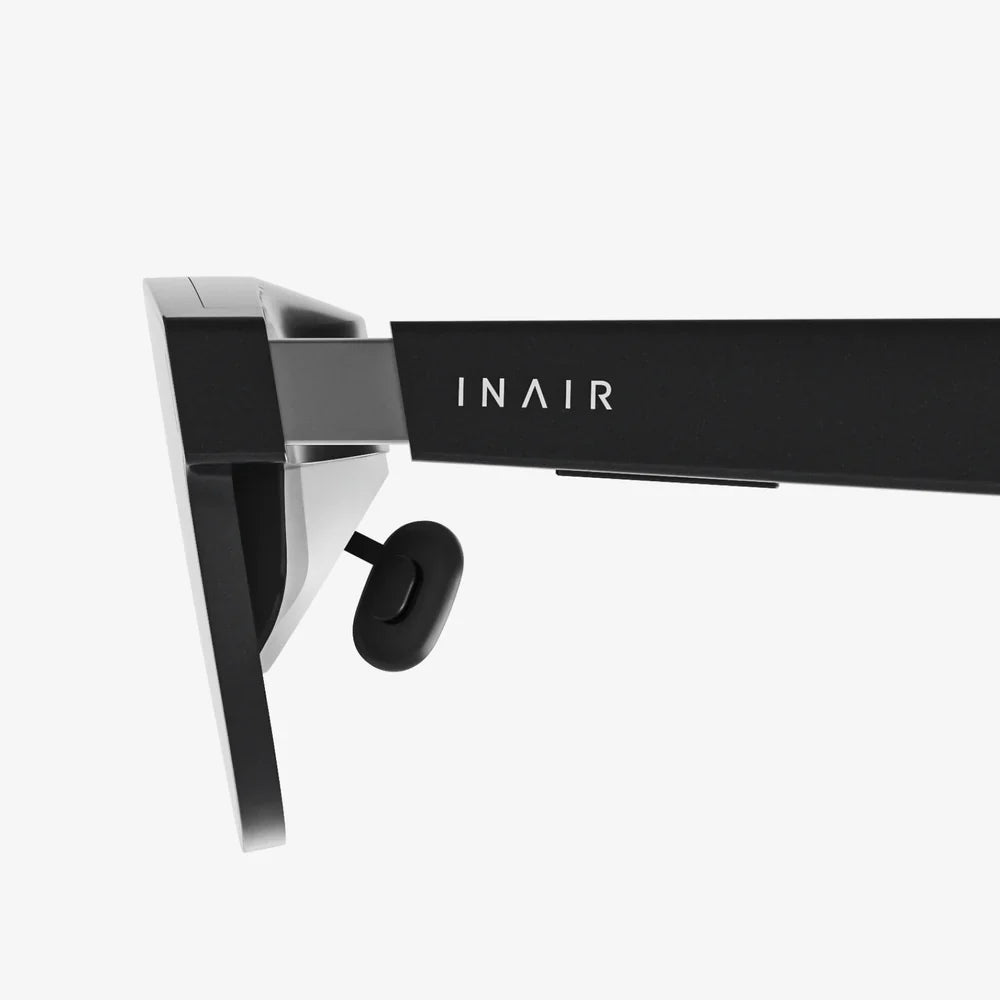
Imagine strapping on a headset and instantly being transported to the peak of Mount Everest, the depths of the Mariana Trench, or the operating room of a world-class surgeon—all without leaving your living room. This is the mesmerizing promise of virtual reality, a technology that has vaulted from the pages of speculative fiction into our daily lives, poised to redefine how we work, learn, heal, and connect. The journey into this digital frontier is not just about escapism; it's about fundamentally expanding human experience and capability.
Deconstructing the Virtual Reality Definition
At its core, the virtual reality definition describes a computer-generated simulation of a three-dimensional environment that can be interacted with in a seemingly real or physical way by a person using special electronic equipment. But this clinical description barely scratches the surface of what VR truly represents. It is, more profoundly, a gateway to synthetic experiences, a medium for presence and immersion that tricks the human brain into accepting a digital world as its reality.
The concept is built upon three fundamental pillars, often called the "VR Trinity":
- Immersion: This is the technical aspect—the ability of the technology to deliver a convincing, multi-sensory experience. It's achieved through high-resolution visual displays, spatial audio, and, increasingly, haptic feedback that engages the sense of touch. The goal is to shut out the physical world and replace it with a digital one.
- Interaction: True VR is not a passive experience like watching a movie. It requires the ability to interact with and manipulate the virtual environment. This is facilitated through motion controllers, hand-tracking technology, and even omnidirectional treadmills that allow for natural movement and agency within the simulation.
- Presence: This is the psychological holy grail of VR. Presence is the subjective feeling of "being there" inside the virtual world. It's the moment your brain stops registering the technology and accepts the simulation as your reality, triggering genuine emotional and physiological responses.
It is also crucial to distinguish VR from its technological cousins. Augmented Reality (AR) overlays digital information onto the real world (think of navigation arrows on your car windshield), while Mixed Reality (MR) blends the two, allowing digital and physical objects to interact. Virtual Reality is distinct in its goal of complete immersion and replacement of reality.
The Engine Behind the Illusion: Core VR Technology
Creating a believable virtual world is a feat of immense computational power and sophisticated engineering. The primary hardware includes:
- Head-Mounted Displays (HMDs): These are the goggles or helmets that house the screens displaying the virtual world. Modern HMDs use high-resolution, fast-refresh-rate displays to create a smooth, clear image and wide field of view, critical for preventing motion sickness and enhancing immersion.
- Tracking Systems: To know where you are looking and moving, VR systems employ a combination of internal and external sensors. Inside-out tracking uses cameras on the HMD itself to map the room, while outside-in tracking uses external sensors or base stations placed around the room to precisely monitor the position of the headset and controllers.
- Input Devices: These are the tools for interaction, from standard handheld controllers with buttons and joysticks to more advanced gloves that can track individual finger movements, enabling delicate virtual manipulations.
- Computational Power: Rendering two high-resolution images (one for each eye) at a blisteringly fast frame rate (90Hz or higher) requires significant graphical processing power, typically supplied by a powerful computer or a self-contained system-on-a-chip within standalone headsets.
On the software side, game engines like Unity and Unreal Engine have become the workhorses of VR development, providing the tools to create rich, interactive 3D environments with realistic physics and lighting.
Transforming Medicine: The Lifesaving Uses of Virtual Reality
Perhaps the most profound and impactful uses of virtual reality are found in the field of healthcare, where it is saving lives, reducing pain, and improving outcomes.
- Surgical Training and Planning: Surgeons can now practice complex procedures on detailed, virtual anatomies without risk to a live patient. Trainees can repeat operations countless times, and seasoned professionals can rehearse a specific patient's surgery by uploading their MRI or CT scan data into a VR model, allowing them to navigate the unique landscape of a patient's body before making a single incision.
- Pain Management and Distraction Therapy: VR has emerged as a powerful non-pharmacological tool for pain relief. For patients suffering from severe burn wounds during dressing changes, or for those undergoing painful medical procedures, immersion in a calming virtual world like a snowy landscape or a serene forest can significantly reduce their perceived pain and anxiety.
- Physical Rehabilitation and Motor Skills: Stroke victims and patients recovering from physical trauma can use VR games and simulations to retrain their brains and bodies. Turning repetitive exercises into engaging tasks—like catching virtual objects or navigating obstacle courses—increases patient motivation and adherence to therapy regimens, leading to faster and better recovery.
- Exposure Therapy for Mental Health: Therapists are using VR to safely treat phobias (fear of heights, flying, spiders), PTSD, and anxiety disorders. Patients can be gradually and controllably exposed to the source of their trauma within the safety of a virtual environment, learning coping mechanisms and desensitizing their responses under the guidance of a professional.
Revolutionizing the Classroom: Educational and Training Uses
VR is dismantling the walls of the traditional classroom, offering experiential learning that was previously impossible.
- Immersive Learning: Instead of reading about ancient Rome, students can walk through a digitally reconstructed Forum. Instead of watching a video about the solar system, they can stand on the surface of Mars. This deep level of engagement boosts knowledge retention and sparks curiosity in a way textbooks cannot.
- Vocational and Skills Training: From welding and electrical work to operating heavy machinery, VR provides a risk-free environment for trainees to learn and make mistakes. Aspiring mechanics can practice on virtual engines, and future pilots can log hours in flight simulators that are essentially advanced VR systems, all without the cost or danger of real-world training.
- Corporate and Soft Skills Training: Companies are using VR to train employees in everything from public speaking and leadership to handling difficult customer service interactions. Employees can practice sales pitches to a virtual audience or navigate a challenging conversation with a virtual human, receiving feedback in a low-stakes, repeatable scenario.
Architecting the Future: Enterprise and Design Uses
In the professional world, VR is becoming an indispensable tool for design, collaboration, and remote work.
- Architecture, Engineering, and Construction (AEC): Architects and clients can don a headset to walk through a building long before the foundation is poured. They can experience the scale of a room, test sightlines, and identify potential design flaws in a 1:1 scale model, saving millions in costly changes later in construction.
- Virtual Prototyping and Design: Automotive and product designers can create and interact with 3D models of new vehicles or gadgets. They can examine the ergonomics, assess the aesthetic appeal, and even simulate how a product might perform under stress, drastically reducing the time and cost associated with physical prototyping.
- Remote Collaboration: With teams often spread across the globe, VR offers a solution beyond video calls. Colleagues can meet in a virtual boardroom, interact with 3D data models together, or train on a virtual piece of equipment simultaneously, feeling as if they are sharing the same physical space.
The World of Play: Entertainment and Social Uses
While the applications above are transformative, the most visible uses of virtual reality for many remain in the realm of entertainment and social connection.
- Gaming: VR gaming is the most well-known application, placing players directly inside the game world. It represents a paradigm shift from controlling a character on a screen to *being* the character, whether you're wielding a lightsaber, exploring a mysterious dungeon, or solving a puzzle with your own hands.
- Live Events and Tourism: You can have a front-row seat at a concert on another continent, attend a sporting event, or take a guided tour of the Louvre from your home. VR democratizes access to experiences that are geographically or financially out of reach for many.
- Social Platforms and Narrative Storytelling: New social platforms are emerging where users, represented by avatars, can meet, play games, watch movies, and simply hang out. Furthermore, filmmakers and journalists are exploring VR as a new medium for immersive storytelling, creating empathetic experiences that place you inside a news story or a fictional narrative.
Navigating the Challenges and the Road Ahead
Despite its rapid advancement, VR is not without its hurdles. Issues of motion sickness (cybersickness), caused by a lag between a user's movement and the screen's response, persist, though they are diminishing with better technology. The cost of high-end equipment remains a barrier for widespread consumer adoption, and there are valid concerns about data privacy, psychological effects of long-term use, and the potential for further blurring the lines between the digital and the real.
Yet, the future trajectory is incredibly exciting. We are moving towards:
- Hyper-Realism: With advancements in eye-tracking, foveated rendering (which focuses processing power only where you are looking), and photorealistic graphics, virtual worlds will become indistinguishable from reality.
- The Metaverse: VR is poised to be the primary interface for the next evolution of the internet: a persistent, shared, and interconnected network of virtual spaces—the metaverse—where work, social life, and commerce will converge.
- Full-Body Haptics and Neural Interfaces: The development of full-body haptic suits will allow users to feel virtual sensations, from a gentle breeze to the impact of a punch. Further out, brain-computer interfaces could allow us to control virtual environments with our thoughts, making the technology even more seamless and intuitive.
The door to these impossible experiences is now open, inviting us to step through and participate in the creation of our shared digital destiny. The virtual realm is no longer a distant fantasy; it is a vibrant, evolving landscape waiting for you to explore its limitless potential and discover how it will reshape your world tomorrow.
Share:
The Importance of Virtual Reality in Business: A New Dimension of Competitive Advantage
Is Virtual Reality an Emerging Technology? The Past, Present, and Future of Immersive Worlds