


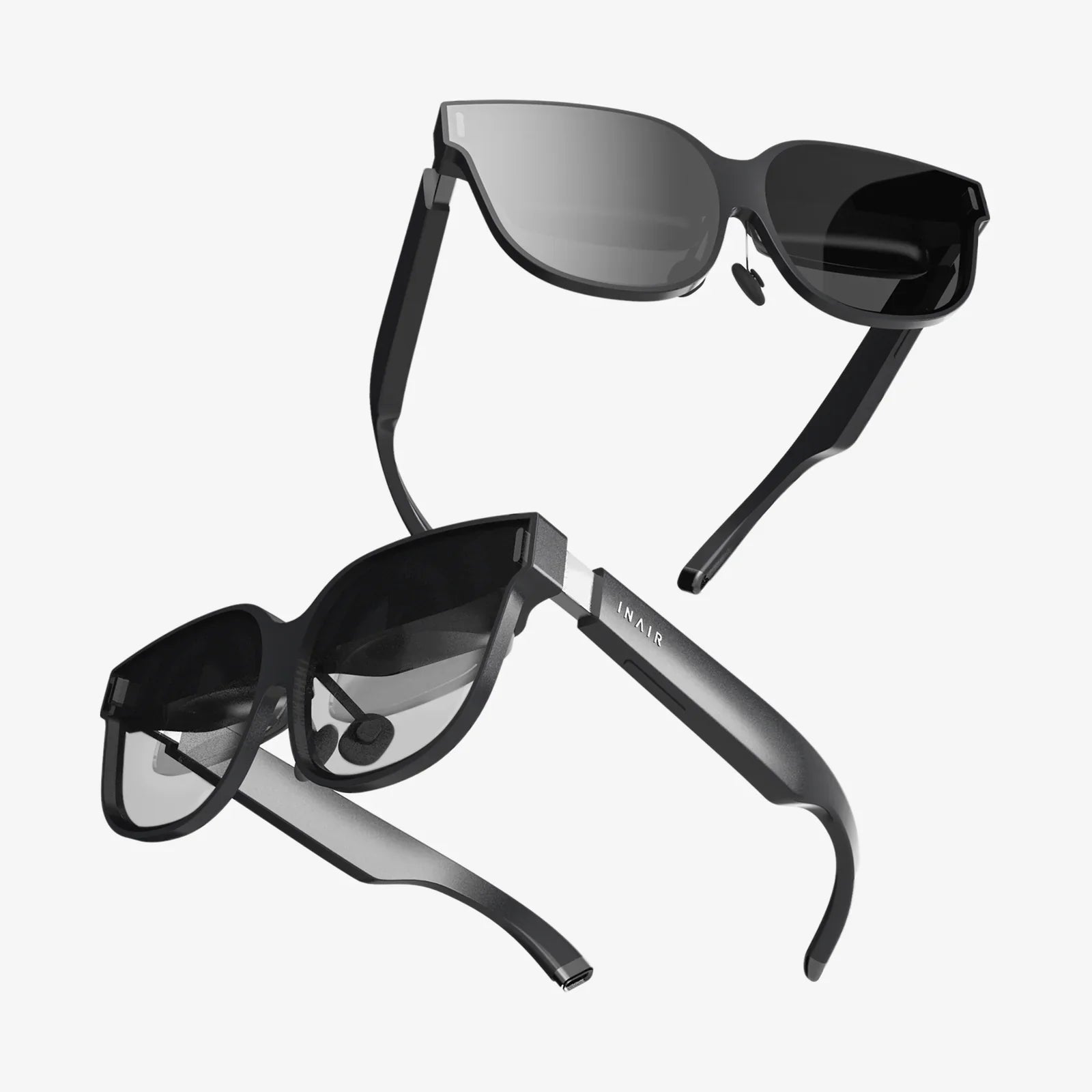
Imagine a world where your every glance, your slightest gesture, and your most visceral emotional reaction is not just part of an experience but is meticulously captured, analyzed, and transformed into a new form of digital currency. This is not the plot of a dystopian novel; it is the present and future being built by the powerful, and often invisible, alliance between the virtual reality device and data. The headset on your face is more than a portal to new worlds; it is one of the most sophisticated data-gathering instruments ever designed for mass consumption, and its implications are poised to reshape everything from how we play to how we understand human consciousness itself.
The Hardware: More Than Meets the Eye
At its core, a modern virtual reality device is a marvel of engineering, a symphony of sensors working in concert to fool the human brain into accepting a digital reality. While the user sees a rendered world, the device is engaged in a constant, frantic dialogue with its environment and its occupant.
Inside-out tracking systems, now commonplace, utilize a constellation of cameras and sensors not just to map the room for safe movement but to create a precise, three-dimensional data point cloud of the user's environment. This spatial data is crucial for immersion, but it also represents a highly detailed scan of a user's personal space—their living room, office, or bedroom.
Beyond environmental mapping, the device is a biometric observatory. Integrated eye-tracking technology, once a premium feature, is becoming standard. It measures pupil dilation, blink rate, and saccades (the rapid movement of the eye between points of fixation). This data is used for foveated rendering, a technique that drastically boosts performance by rendering only the area of the screen the user is directly looking at in high resolution. However, this same data is a window into user attention, fatigue, and cognitive load. Hand-tracking controllers or advanced haptic gloves capture the nuances of finger movement and grip strength, translating physical intent into digital action and generating a continuous stream of kinematic data.
The Data Deluge: A New Category of Information
The raw information flowing from a VR session is staggering in its volume and intimacy. We can categorize this data deluge into several distinct types, each with profound potential and risk.
Biometric and Physiological Data
This is the most personal layer of information. It goes beyond simple movement to include:
- Eye-tracking Metrics: Gaze points, dwell time (how long a user looks at an object), pupillometry, and blink rate. This can reveal what captures a user's attention, what they ignore, when they are confused, or even when they are experiencing arousal or stress.
- Movement Kinematics: The precise trajectory, velocity, and acceleration of the head and hands. This data can be used to assess motor skills, identify individuals based on their unique movement patterns (a form of biometric identification), and detect early signs of neurological conditions like Parkinson's disease.
- Voice and Audio Data: Spoken commands, conversations with other users, and even involuntary reactions like gasps or sighs are captured. Vocal stress analysis could theoretically be applied to gauge emotional state.
- Neurological Precursors: While still emerging, some devices are exploring integration with electroencephalography (EEG) sensors to measure rudimentary brainwave activity. This would open the door to data on focus, relaxation, and meditation states.
Behavioral and Interaction Data
This data layer focuses on how a user behaves within a virtual environment. It is the "what" rather than the "how" of their physiology.
- Choice Architecture: Every decision a user makes is logged. Which path did they take? Which product did they pick up in a virtual store? Which avatar did they choose to interact with?
- Social Dynamics: In multi-user experiences, data on social proximity, interaction frequency, and communication patterns between avatars is generated, creating a map of social behavior in a digital space.
- Performance Metrics: In training or gaming applications, success rates, completion times, and error patterns are meticulously recorded to assess skill and proficiency.
Spatial and Environmental Data
As mentioned, the detailed 3D map of a user's physical surroundings is a significant data asset. The dimensions of a room, the furniture layout, the presence of windows, and even the artwork on the walls become data points. This information is critical for safety but also paints a detailed picture of a user's socioeconomic status, lifestyle, and personal taste.
The Positive Feedback Loop: How Data Fuels Better VR
The relationship between the virtual reality device and data is not merely extractive; it is symbiotic. The data collected is the lifeblood that fuels the evolution of the technology itself, creating a powerful positive feedback loop.
On a macro level, aggregated and anonymized data from millions of users allows developers to understand how people actually use their products. They can identify points of friction—where users consistently get stuck or confused—and optimize experiences accordingly. Heatmaps generated from gaze data can show a designer which parts of a virtual interface are most engaging and which are overlooked, leading to more intuitive designs.
On a micro level, data enables real-time personalization and adaptation, a concept known as procedural adaptation. A training simulation could analyze a user's performance data and physiological responses to dynamically adjust its difficulty. If the system detects elevated stress levels through pupillometry and kinematic jitter, it could simplify the next task. Conversely, if a user is breezing through with signs of boredom (e.g., looking away frequently, slow pupillary response), it could introduce a new challenge. This creates a uniquely tailored experience that is impossible without continuous data input.
Furthermore, this data is driving the next frontier in VR: photorealistic avatars and social presence. By capturing the subtle micro-expressions of a human face and the fluidity of body language, systems can learn to animate avatars with unprecedented realism, making remote social interaction in VR feel genuinely lifelike. This requires vast datasets of human expression and movement to train the underlying machine learning models.
The Dark Side of the Lens: Privacy, Ethics, and the Specter of Manipulation
For all its potential, the intimate nature of VR data collection raises alarm bells that echo far beyond the concerns of traditional digital privacy. We are entering uncharted ethical territory.
The core issue is one of informed consent. When a user agrees to a terms-of-service document, often dozens of pages long, do they truly understand they are consenting to the capture of their unconscious physiological responses and a 3D scan of their home? This data creates a digital profile of unparalleled depth—a "biometric blueprint" of who you are, how you react, and what influences you.
The potential for manipulation is staggering. Imagine an advertising platform that knows not just what you click on, but what your eyes linger on in a virtual mall, how your pupil dilates when you see a specific product, and the subtle change in your voice when you express interest to a friend. This is the ultimate conversion funnel, capable of exploiting subconscious triggers to influence behavior in ways that screen-based ads never could.
On a more sinister note, such detailed data could be used for social scoring, discrimination, and surveillance. An employer reviewing VR-based job interviews could theoretically filter candidates based on subconscious biometric signals, claiming to identify "leadership potential" or "stress intolerance." Insurance companies might want access to kinematic data to assess risk profiles. Governments could monitor social VR platforms for deviations in behavior that are deemed suspicious.
The security of this data is another paramount concern. A breach of a database containing credit card numbers is one thing; a breach of a database containing the precise gait, voice, and eye-movement patterns of millions of individuals is catastrophic. This information could be used for incredibly sophisticated identity theft, biometric bypassing of security systems, or even blackmail.
Navigating the New Frontier: The Path Forward
The genie is out of the bottle. The technological drive to collect more data to create better experiences is relentless. Therefore, the solution cannot be to stop the flow of data, but to build a robust framework of ethics, regulation, and user empowerment around it.
Privacy by Design: Developers must integrate privacy protections into the very architecture of their systems. This includes data minimization (only collecting what is absolutely necessary for the core function), on-device processing (keeping sensitive data like raw camera feeds on the headset instead of sending it to the cloud), and strong end-to-end encryption for any data that is transmitted.
Transparency and User Control: Consent mechanisms need to be revolutionized. Instead of walls of text, users should be presented with clear, intuitive controls—a "privacy dial" that lets them choose the level of data sharing they are comfortable with, from basic functionality to full personalization. They should have easy access to view what data is collected and the ability to delete it permanently.
Robust Regulation: Existing data protection laws like the GDPR and CCPA are a start, but they were not written with the unique intimacy of VR data in mind. New legal frameworks are needed that specifically classify biometric and spatial data as sensitive personal information, granting it the highest levels of protection and placing strict limits on its use for advertising, profiling, and scoring.
Digital Literacy: Users must be educated about what these devices are capable of. Understanding that a VR headset is a data-generating engine as much as it is an entertainment portal is the first step toward making informed choices and demanding accountability from corporations.
The virtual reality device, perched on our faces, offers a glimpse into breathtaking new worlds. But its true revolution is happening behind the scenes, in the silent, relentless stream of data it produces. This data holds the key to unlocking profound advancements in medicine, education, and human connection. Yet, it also carries the seed of a surveillance capitalism more intimate than anything we have known. The path we choose now—between empowerment and exploitation, between wonder and worry—will determine whether this powerful technology ultimately serves humanity, or merely observes it.
We stand at the precipice of a reality both virtual and hyper-real, where the most valuable thing you own isn't the device on your head, but the invisible, intimate story your body tells every time you put it on—a story that someone, somewhere, is already learning how to read, and perhaps, how to write.
Share:
What People Think About Virtual Reality: A Deep Dive into Public Perception
Best Virtual Reality Headset - Your Ultimate Guide to Immersive Tech in 2024