


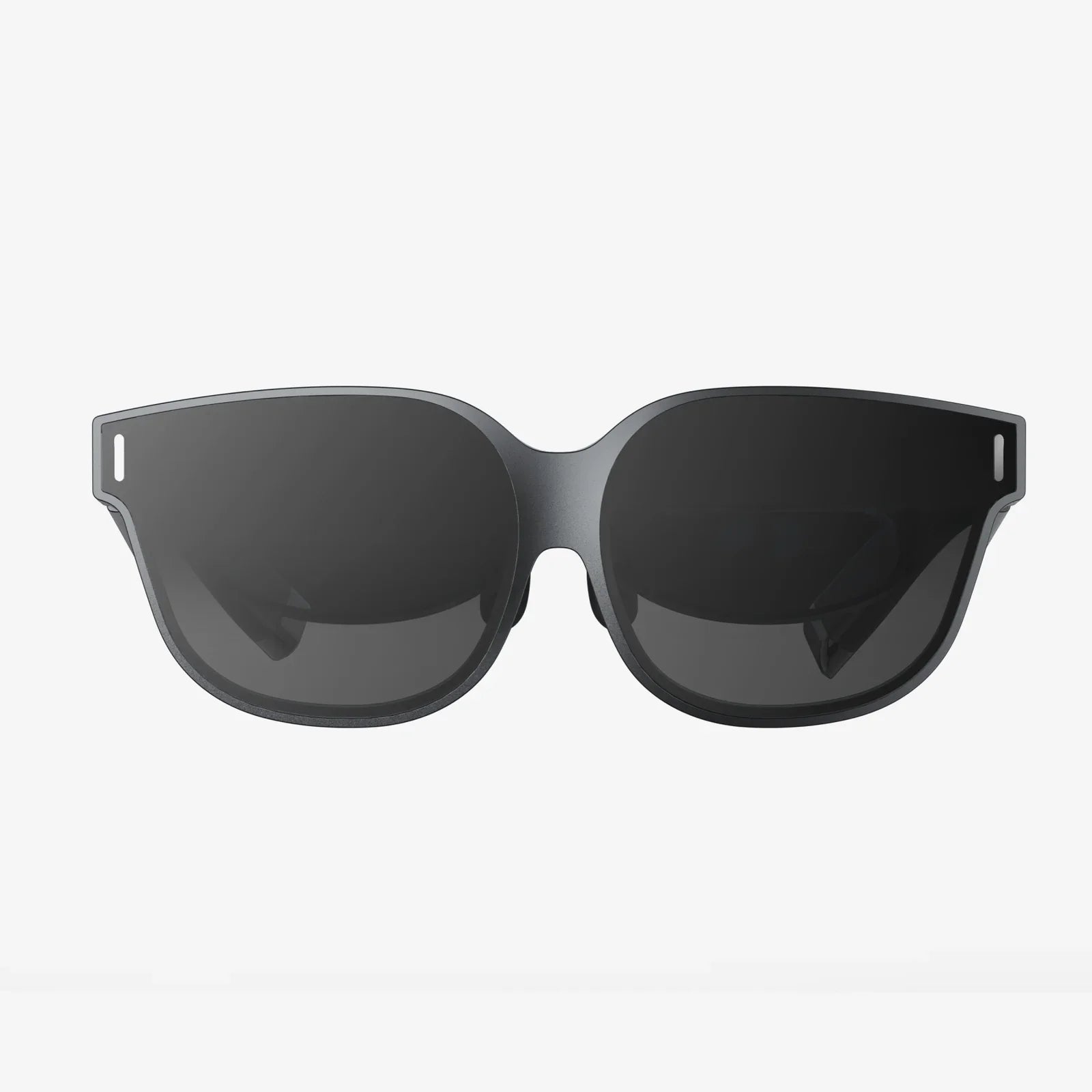
Imagine slipping on a headset and instantly being transported to a front-row seat at a concert on the other side of the world, walking on the surface of Mars, or sitting face-to-face with a loved one who lives thousands of miles away, feeling as if you are truly in the same room. This is no longer the stuff of science fiction; it is the tangible, breathtaking promise of modern virtual reality electronic systems. This technology, once a distant dream, is now rapidly weaving itself into the very fabric of our daily lives, offering a paradigm shift in how we work, learn, play, and connect. The journey beyond the screen has begun, and it is inviting us to step through.
The Architectural Pillars of the Virtual World
At its core, a virtual reality electronic ecosystem is a symphony of sophisticated hardware and software working in perfect harmony to deceive the human senses and create a convincing illusion of presence in a digital environment. The process is a marvel of modern engineering, beginning with the head-mounted display (HMD). This device is far more than a simple screen strapped to the face; it is a portal. High-resolution displays, often with incredibly fast refresh rates, are placed mere centimeters from the user's eyes, filling their entire field of view. These are coupled with advanced lenses that warp and focus the image, creating a seamless, immersive panorama that feels vast and infinite.
However, visual fidelity alone is not enough to convince the brain. This is where a suite of complex sensors takes over. Gyroscopes, accelerometers, and magnetometers work in concert as an inertial measurement unit (IMU) to track the precise rotation of the user's head—tilt, pitch, and yaw—with millimetric precision and imperceptible latency. For true room-scale immersion, external cameras or inward-facing sensors perform inside-out or outside-in tracking, mapping the physical space and monitoring the position of the headset and controllers within it. This positional tracking is what allows a user to physically duck under a virtual barrier, lean over a digital cliff edge, or walk around a holographic object.
The final, crucial layer of immersion is audio. High-quality spatial audio technology mimics how sound waves interact with the human head and ears. Sounds can emanate from specific points in the 3D space—behind, above, or to the side—adding a profound layer of depth and realism. The gentle rustle of leaves to your left or the distant echo of footsteps in a virtual hallway are not just auditory cues; they are anchors that firmly root you in the experience. Together, these components form a closed-loop system: the user moves, the sensors detect it, the software renders a new perspective, and the displays and audio update instantly, creating a believable and interactive reality.
Transforming Industries Beyond Entertainment
While gaming remains a powerful driver of consumer adoption, the impact of virtual reality electronics is reverberating across a far wider spectrum of professional fields, revolutionizing practices and unlocking new possibilities.
Healthcare and Therapy
The medical sector has embraced this technology with remarkable results. Surgeons now use detailed, interactive 3D models of a patient's anatomy to plan complex procedures, practicing delicate maneuvers before making a single incision. This leads to shorter operation times and improved patient outcomes. Furthermore, VR has become a groundbreaking tool for therapy and rehabilitation. It is effectively used to treat phobias through controlled, gradual exposure in a safe environment. Patients with PTSD can process trauma, and individuals undergoing physical therapy can engage in motivating, game-like exercises that improve motor function and cognitive skills.
Education and Corporate Training
The educational potential is staggering. Instead of reading about ancient Rome, students can take a guided tour through a historically accurate reconstruction of the Forum. Medical students can dissect a virtual cadaver millions of times. Astronauts, pilots, and heavy machinery operators train in hyper-realistic simulators that carry no real-world risk, allowing them to make mistakes and learn from them in complete safety. Corporations use VR for soft skills training, immersing employees in challenging scenarios like difficult conversations or public speaking to a virtual audience, providing invaluable practice without real-world pressure.
Design and Architecture
For architects and interior designers, VR is an indispensable tool. Clients are no longer limited to viewing flat, 2D blueprints or static renders. They can don a headset and literally walk through their unbuilt home, experiencing the flow of space, the scale of rooms, and the play of light at different times of day. This allows for informed feedback and design changes before construction ever begins, saving immense time and resources. Engineers similarly use immersive environments to prototype and test products, from the ergonomics of a car's interior to the assembly line process in a factory.
The Human and Societal Dimension
As with any transformative technology, the rise of virtual reality electronics brings a host of profound sociological and psychological questions to the forefront. The concept of the "metaverse"—a persistent network of shared, virtual spaces—promises new forms of social interaction, remote collaboration, and digital economies. It has the potential to dissolve geographical barriers, enabling deeper connections and creating communities based on shared interests rather than physical location. For those with mobility issues or social anxieties, it could offer a new lease on social life.
Yet, this potential is tempered by significant challenges. Prolonged immersion in virtual environments raises questions about its effects on perception, cognition, and mental health. Issues of data privacy become paramount, as these systems can collect incredibly intimate data: eye gaze, body movement, vocal inflections, and even biometric responses. This data is a goldmine for improving user experience, but it also presents a severe risk if misused. Furthermore, the risk of addiction and escapism is real. If a virtual world becomes more appealing than the real one, what are the consequences for individual motivation and societal cohesion? The digital divide could also widen into an experiential chasm, separating those who can afford high-end immersive experiences from those who cannot.
Gazing into the Crystal Ball: The Future is Immersive
The current state of the technology is impressive, but it is merely a stepping stone. The next decade will see advancements that feel like magic. The resolution of displays will approach and surpass the acuity of the human eye, eliminating the "screen door effect." Haptic feedback suits will evolve from novelties into sophisticated systems that can simulate the touch of rain, the impact of a punch, or the texture of a virtual object. Brain-computer interfaces are being explored, which could eventually allow us to navigate virtual spaces through thought alone, blurring the line between intention and action.
Perhaps the most significant evolution will be towards more lightweight, comfortable, and socially acceptable form factors. The bulky headsets of today will give way to sleek, stylish glasses that seamlessly blend digital overlays with our physical reality, a field known as augmented reality (AR). The ultimate goal is a single device that can toggle between a fully immersive virtual world and an augmented one, weaving digital information and experiences seamlessly into our daily lives. This will truly cement this technology not as a niche gadget, but as the next major computing platform, as ubiquitous and essential as the smartphone is today.
The age of passive observation is ending. Virtual reality electronic technology is ushering in an era of experience, where we are no longer merely viewers of content but active participants within it. It challenges our very definitions of reality and connection, offering tools of immense power for both creation and escape. The responsibility now lies with developers, policymakers, and users alike to steer its development ethically and thoughtfully, ensuring that this new digital frontier enhances our humanity rather than diminishes it. The headset is more than a device; it is an invitation to explore the infinite landscapes of human imagination and to redefine what is possible.
Share:
Best Portable Computer for VR: How to Choose the Perfect Mobile Rig
New AI Design Tools Transforming Creativity and Workflow in 2026