


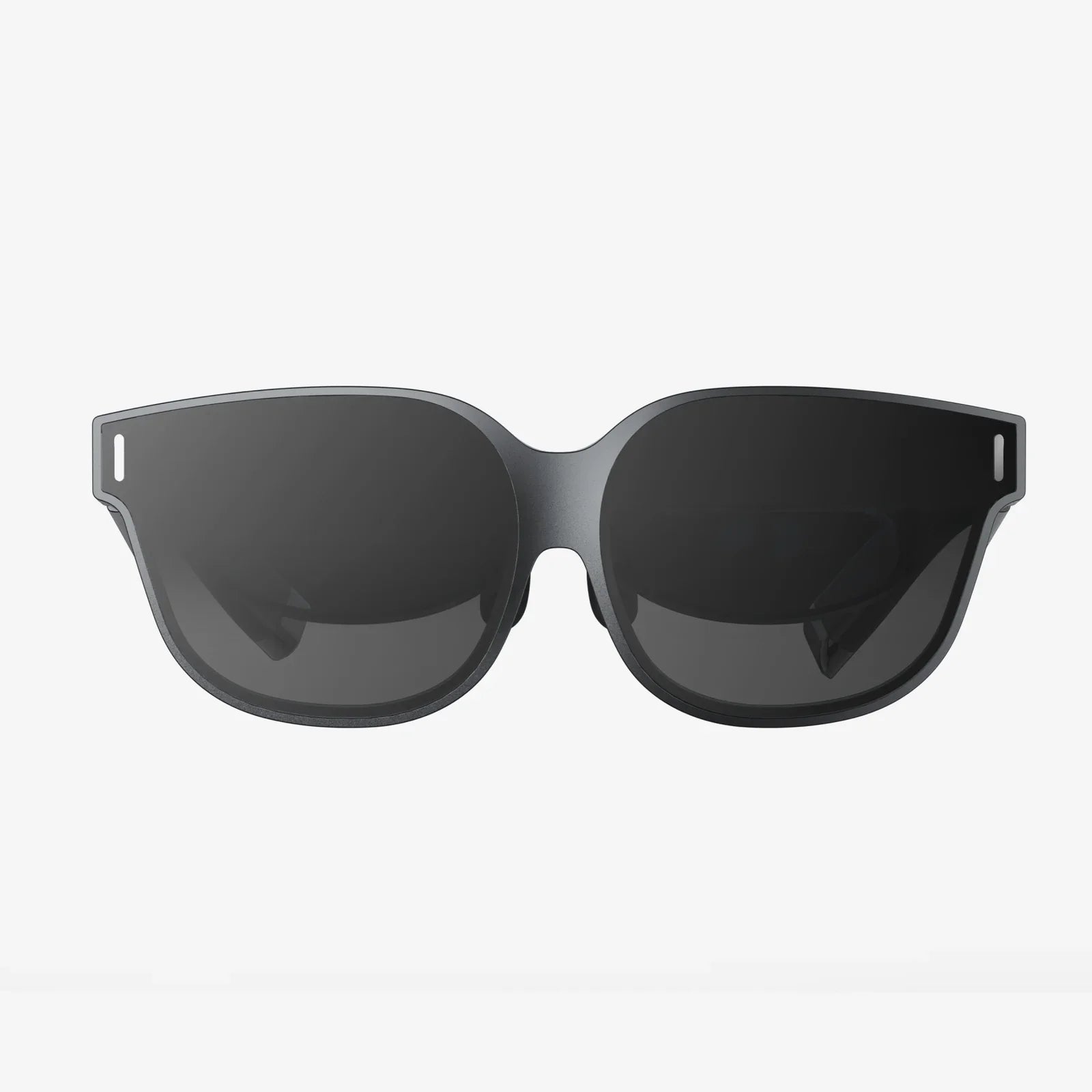
Imagine stepping through your screen into a world limited only by imagination, where you can walk with dinosaurs, perform heart surgery, or sit front row at a concert happening on the other side of the globe. This is no longer the stuff of science fiction; it is the palpable promise of virtual reality emerging technology, a force poised to fundamentally reshape the fabric of human experience, connection, and industry. The headset is becoming a portal, and on the other side lies a revolution waiting to be explored.
For decades, virtual reality (VR) existed on the periphery of technological possibility, a tantalizing concept often showcased in films and novels but perpetually “five years away” from mainstream adoption. Characterized by clunky hardware, low-fidelity graphics, and a tendency to induce motion sickness, early iterations were more novelty than necessity. However, a confluence of advancements in processing power, display technology, motion tracking, and software development has catapulted VR from a niche pursuit for enthusiasts into a bona fide emerging technology with staggering potential. We are now witnessing the maturation of an ecosystem that promises to move beyond entertainment and into the very core of how we work, learn, heal, and socialize.
The Technological Pillars Powering the Metaverse
The modern VR experience is built upon several critical technological pillars that have converged to create a sense of true presence—the psychological phenomenon where a user feels genuinely transported to a virtual environment.
Visual Fidelity and Display Technology
The quest for immersion begins with the eyes. Early VR suffered from the "screen door effect," where users could perceive the gaps between pixels, shattering the illusion. Today, high-resolution displays, often utilizing OLED or advanced LCD technology, offer stunning clarity and vibrant colors. Key advancements include:
- High-Resolution Per-Eye Displays: Modern headsets boast resolutions that meet or exceed human visual acuity, eliminating the screen door effect and creating crisp, believable worlds.
- High Refresh Rates: A refresh rate of 90Hz or higher is now standard, drastically reducing latency and the lag that previously caused disorientation and simulator sickness. This smooth, instantaneous rendering is critical for maintaining comfort and believability.
- Field of View (FoV): While human vision covers nearly 180 degrees, most consumer headsets offer between 90 and 110 degrees. Expanding the FoV remains a key engineering challenge, as a wider view further enhances the feeling of being "inside" the virtual space.
Precision Tracking and Haptic Feedback
Seeing a virtual world is only half the battle; interacting with it believably is the other. This is achieved through sophisticated tracking systems and haptic technology.
- Inside-Out Tracking: Early systems required external sensors placed around a room. Modern inside-out tracking uses cameras and sensors embedded directly on the headset and controllers to map the physical environment and track user movement within it. This eliminates complex setup and allows for greater freedom and portability.
- Six Degrees of Freedom (6DoF): This refers to the ability to track not just rotational movement (pitch, yaw, roll) but also translational movement (forward/backward, up/down, left/right). 6DoF is essential for natural movement, allowing users to lean, crouch, and walk around within virtual boundaries.
- Advanced Haptics: Beyond simple controller rumble, emerging haptic technology includes gloves and suits that can simulate the sensation of touch, pressure, and temperature. This tactile feedback is a game-changer for training simulations, social connection, and gaming, allowing users to "feel" virtual objects.
Computational Power and Connectivity
Rendering two high-resolution, high-frame-rate displays in perfect sync is an immense computational task. This is handled by powerful graphics processing units (GPUs) and system-on-chips (SoCs). We see two dominant paradigms:
- PC-Connected VR: Tethered to a high-end computer, these systems deliver the highest-fidelity experiences, leveraging the raw power of desktop components for graphically intensive applications.
- Standalone VR: These all-in-one headsets contain their own processor, battery, and storage. While less powerful than their PC-connected counterparts, they offer unparalleled accessibility and ease of use, which has been instrumental in driving mass-market adoption. The rapid advancement of mobile chipset technology continues to narrow the performance gap.
Beyond the Game: VR's Expansive Real-World Applications
While gaming remains a primary driver of consumer VR, the technology's true potential lies in its transformative applications across nearly every professional and industrial sector.
Revolutionizing Education and Training
VR offers an unparalleled medium for experiential learning. Instead of reading about ancient Rome, students can take a guided tour through a historically accurate reconstruction. Medical students can practice complex surgical procedures on virtual patients without risk. Corporate trainees can simulate dangerous machinery operations or high-stakes public speaking in a safe, controlled environment. This "learning by doing" approach dramatically improves knowledge retention and skill acquisition.
Transforming Healthcare and Therapy
The medical field is embracing VR for both treatment and therapy. Surgeons use VR to plan and rehearse complex operations, visualizing patient-specific anatomy in 3D. For patients, VR is proving highly effective in pain management, serving as a powerful distraction during painful procedures. It is also a groundbreaking tool for exposure therapy, helping individuals with phobias (like fear of heights or flying) or PTSD confront and manage their triggers in a gradual, controlled setting.
Redefining Remote Work and Collaboration
The global shift to remote work has highlighted the limitations of video conferencing. VR collaboration platforms offer a compelling alternative, creating persistent virtual meeting rooms where avatars of colleagues can interact with 3D models, whiteboards, and data visualizations as if they were in the same physical space. This fosters a stronger sense of presence and teamwork than a grid of faces on a screen, potentially reshaping the future of the distributed workforce.
Enhancing Design and Retail
Architects and engineers are using VR for immersive design reviews, walking clients through unbuilt structures to identify issues and make changes before construction begins. In retail, customers can use VR to visualize how furniture would look in their home or "try on" clothes virtually, reducing return rates and enhancing the shopping experience.
Navigating the Virtual Frontier: Challenges and Ethical Considerations
As with any powerful emerging technology, the rise of VR is not without its significant challenges and ethical dilemmas that society must confront.
The Hardware Hurdle: Comfort, Cost, and Accessibility
Despite improvements, headsets can still be bulky, expensive, and require a degree of technical comfort to set up and use. For widespread adoption, future iterations must prioritize lightweight, comfortable design, lower price points, and intuitive user interfaces. The "digital divide" is a real concern, as unequal access to this technology could exacerbate existing social and economic inequalities.
The Psychological and Social Impact
The intense immersion of VR raises profound questions. Prolonged use could potentially lead to a phenomenon known as "virtual reality dissociation," where users struggle to differentiate between virtual and real experiences. There are also concerns about data privacy, as VR systems can collect incredibly intimate data—including eye tracking, biometric responses, and detailed behavioral patterns. Furthermore, as virtual social interactions become more compelling, we must consider the potential impact on real-world social skills and community bonds.
Establishing a Ethical Framework
The industry is in its Wild West phase, with norms and regulations struggling to keep pace with innovation. Critical questions remain unanswered: Who owns virtual property? How do we prevent harassment in virtual spaces? What ethical guidelines govern the creation of hyper-realistic virtual experiences? Developing a robust ethical and legal framework is essential to ensure this technology develops in a way that benefits humanity as a whole.
The Future is Immersive: What Lies Beyond the Horizon
The current state of VR is merely the foundation for an even more integrated and astonishing future. Several converging technologies are set to push the boundaries further.
The concept of the "metaverse"—a collective, persistent virtual shared space—is the ultimate expression of this trajectory. It envisions a seamless continuum between our physical and digital lives, where we work, socialize, and play in interconnected virtual worlds. While still largely conceptual, advancements in VR, augmented reality (AR), and cloud computing are laying the groundwork for this next evolution of the internet.
Breakthroughs in brain-computer interfaces (BCI) suggest a future where we might interact with virtual environments through thought alone, bypassing controllers entirely. Combined with photorealistic graphics powered by AI and real-time ray tracing, the line between the virtual and the real will become increasingly blurred, offering experiences that are indistinguishable from physical reality.
The journey of virtual reality emerging technology is just beginning. From its humble, cumbersome beginnings, it has evolved into a powerful tool with the potential to solve real-world problems, create breathtaking new forms of art and storytelling, and connect us in ways previously confined to fantasy. The challenges are significant, but the opportunity to redefine human potential is immense. The portal is open; the next dimension of human experience awaits, and it promises to be more extraordinary than we can possibly imagine.
Share:
Spatial Audio Benefits: Immersive Sound and Its Transformative Impact on Entertainment and Wellbeing
Virtual Reality VR Computer Definition: The Ultimate Guide to the Digital Frontier