


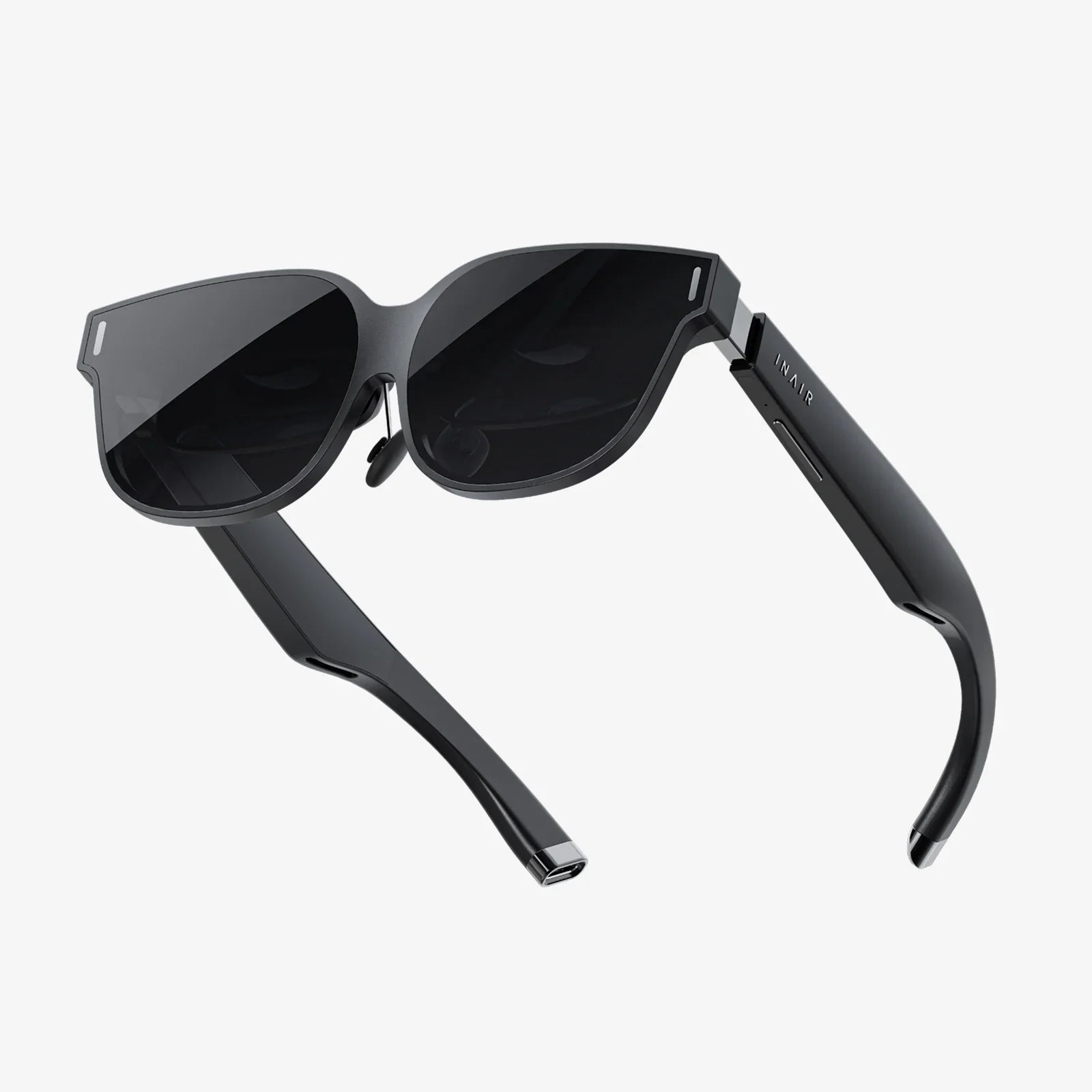
Imagine a world where a new hire in Tokyo can practice a complex surgical procedure, a design team in Stockholm can walk through a building that hasn't been built, and a remote engineer in Houston can diagnose a malfunctioning deep-sea oil rig—all before their first coffee break. This is not a glimpse into a distant sci-fi future; this is the present-day reality being forged by Virtual Reality in the enterprise. The headlines are no longer dominated by consumer gaming alone; a quieter, more profound revolution is underway in boardrooms, factories, and R&D labs across the globe. The latest wave of virtual reality enterprise news signals a decisive shift from experimental novelty to indispensable business tool, and the implications are nothing short of transformative.
Beyond the Hype: The Maturation of Enterprise VR
For years, Virtual Reality lingered on the periphery of business strategy, often dismissed as an expensive gimmick with limited practical application. Early adoption was characterized by pilot programs and proof-of-concept demos that, while impressive, struggled to demonstrate a clear and consistent return on investment. The hardware was clunky, the software was limited, and the ecosystem was fragmented. However, the narrative has fundamentally changed. A confluence of technological advancements, economic pressures, and a paradigm shift in work culture has propelled VR into the enterprise mainstream.
The most significant virtual reality enterprise news revolves around its maturation. Modern VR headsets are lighter, more comfortable, and offer dramatically higher resolution, making prolonged use feasible for professional tasks. Inside-out tracking eliminates the need for external sensors, simplifying setup and enabling portable VR solutions. Furthermore, the software landscape has exploded with robust, secure, and scalable platforms designed specifically for corporate use. These platforms offer enterprise-grade security, analytics, and integration with existing business systems like CAD software, learning management systems (LMS), and product lifecycle management (PLM) tools. This maturation means VR is no longer a standalone toy but an integrated component of the digital transformation stack.
The Four Pillars of Enterprise VR Adoption
The application of VR in business is vast, but its impact can be categorized into four core pillars: Immersive Learning & Training, Remote Collaboration & Communication, Design & Prototyping, and Sales & Marketing.
1. Immersive Learning and Training: Practicing in Perfection
This is arguably the most compelling and widely adopted use case. VR creates a risk-free environment where employees can practice complex, dangerous, or rare procedures without real-world consequences. The key virtual reality enterprise news here is the measurable improvement in learning outcomes. Studies consistently show that VR training leads to higher retention rates, faster skill acquisition, and greater confidence compared to traditional methods like videos or manuals.
- High-Stakes Skills: Surgeons practice intricate operations, pilots train for emergency scenarios, and nuclear technicians learn to manage reactor controls. Mistakes become valuable learning experiences, not catastrophes.
- Soft Skills Development: VR is being used to train employees in public speaking, customer service, and difficult conversations. Learners can interact with AI-powered avatars in realistic scenarios, receiving instant feedback on tone, body language, and effectiveness.
- Onboarding and Safety: New employees can take virtual tours of massive facilities, learn safety protocols by experiencing virtual hazards, and familiarize themselves with equipment, all before setting foot on the actual factory floor. This reduces onboarding time and enhances workplace safety culture.
2. Remote Collaboration and Communication: The Ultimate Meeting Room
The global shift to remote and hybrid work models has thrust this application into the spotlight. Video conferencing tools like Zoom and Teams have kept businesses running, but they suffer from a lack of presence and shared context. VR collaboration platforms solve this by placing distributed teams into a shared, persistent virtual space.
Imagine architects and clients walking through a 3D model of a new building together, pointing out features and making changes in real-time. Or a global team of engineers gathered around a virtual 3D model of a new engine, able to disassemble it, examine individual components, and annotate directly onto the model. This sense of "being there" together fosters a deeper level of understanding and creativity that flat screens cannot replicate. Recent virtual reality enterprise news highlights the development of "embodied avatars" that use eye-tracking and motion capture to convey non-verbal cues, making interactions more natural and effective.
3. Design and Prototyping: Building in the Virtual World
For industries involved in physical product design—from automotive and aerospace to consumer goods and architecture—VR is revolutionizing the prototyping phase. Instead of viewing designs on a 2D screen, designers and engineers can step inside them. They can assess the ergonomics of a car's cockpit, check the sightlines in a stadium, or evaluate the aesthetic appeal of a new smartphone design at a 1:1 scale.
This process, often called "virtual prototyping," identifies design flaws and usability issues early in the development cycle, saving enormous amounts of time and money that would have been spent on physical prototypes. The ability to iterate rapidly in VR accelerates time-to-market and leads to a superior final product. Major virtual reality enterprise news often features stories of companies slashing their prototype budgets by over 50% while simultaneously improving design quality.
4. Sales, Marketing, and Customer Engagement
VR offers a powerful new medium for storytelling and customer experience. Automotive companies are creating virtual showrooms where potential buyers can configure a car and take it for a virtual test drive from their living room. Real estate firms offer immersive virtual tours of properties, allowing overseas buyers to explore every corner of a home. Tourism boards transport people to exotic destinations, and retailers let customers "try on" clothes or see how furniture would look in their home.
This immersive form of marketing creates an emotional connection with the product or service that is far more impactful than a brochure or website. It provides a memorable experience that differentiates brands and drives engagement and conversion rates.
Quantifying the Return: The Business Case for VR
The question on every executive's mind is: "What is the ROI?" The virtual reality enterprise news is increasingly filled with hard data. The return on investment is demonstrated through:
- Cost Reduction: Savings on travel for collaboration and training, reduced spending on physical materials and prototypes, and lower costs associated with training accidents and errors.
- Efficiency Gains: Faster training cycles, accelerated design and development timelines, and more effective remote meetings that lead to quicker decision-making.
- Enhanced Quality and Safety: Fewer errors in manufacturing and assembly, improved safety records, and higher-quality products resulting from better design visualization.
- Revenue Growth: More effective sales tools that close deals faster, innovative customer experiences that attract new business, and new data streams from VR sessions that provide insights into user behavior.
Navigating the Challenges: Implementation and the Human Factor
Adoption is not without its hurdles. The initial investment in hardware and software development can be significant. Companies must navigate issues of hardware management, software security, and data privacy in immersive environments. Furthermore, the human factor remains critical; some employees may experience cybersickness, and others may require support and training to feel comfortable with the new technology.
Successful implementation, as reported in savvy virtual reality enterprise news, requires a clear strategy. It starts with identifying a specific business problem with a high potential for ROI, rather than adopting the technology for its own sake. Piloting programs on a small scale, gathering data, and demonstrating success before scaling enterprise-wide is the proven path. Partnering with experienced VR solution providers who understand enterprise needs is also crucial for navigating technical and logistical challenges.
The Future is Immersive: What's Next on the Horizon
The evolution of enterprise VR is accelerating. The frontier of virtual reality enterprise news is already exploring the convergence of VR with other technologies. The integration of Artificial Intelligence will create more intelligent and responsive training simulations and smarter virtual assistants within collaborative spaces. The rise of the digital twin concept—a virtual replica of a physical asset, process, or system—will see VR become the primary interface for interacting with these complex models, enabling unprecedented levels of monitoring, simulation, and optimization.
Furthermore, the eventual maturation of Augmented Reality (AR) will create a spectrum of mixed reality experiences, overlaying digital information onto the physical world for tasks like equipment repair and logistics. As haptic technology improves, adding the sense of touch will open up new possibilities for tactile training and design validation. The metaverse, a persistent network of shared 3D virtual spaces, represents the ultimate expression of this trend, promising a future where our professional and digital lives are seamlessly intertwined.
The stream of virtual reality enterprise news is a testament to a fundamental truth: the way we work is undergoing a permanent shift. The barriers of physical location, costly materials, and inaccessible experiences are crumbling. Virtual Reality is empowering a new era of human capability, enabling businesses to train more effectively, collaborate more seamlessly, design more creatively, and connect with customers more profoundly. This is no longer emerging technology; it is emerged technology, and it is rapidly becoming a key differentiator between the companies that will lead the future and those that will be left behind. The immersive workplace is here, and it is redefining the very meaning of being present.
Share:
3D Picture Video: The Ultimate Guide to Capturing and Experiencing Depth
Smart Terminal Pro: The Next Evolution in Personal and Professional Connectivity