


- by wangfred
Virtual Reality Future Predictions: A Glimpse into the Next Digital Epoch
- by wangfred
Imagine a world where the boundaries between the physical and digital dissolve, where you can attend a meeting in Tokyo, walk on Mars, or consult with a historical figure, all before your morning coffee—this is the breathtaking horizon of virtual reality, a technological revolution poised to redefine every aspect of our existence.
The journey of virtual reality from a science fiction trope to a tangible technology has been rapid, yet we stand merely at the base of an immense mountain of potential. Current iterations, while impressive, are often critiqued for their form factor, graphical fidelity, and occasional tendency to induce motion sickness. However, these are the typical growing pains of any foundational technology. The future predictions for VR are not about incremental improvements to today's headsets; they are about a fundamental re-architecting of the technology itself. We are moving towards a paradigm of ubiquitous computing where VR is not a device we put on, but an environment we step into, seamlessly integrated into the fabric of daily life.
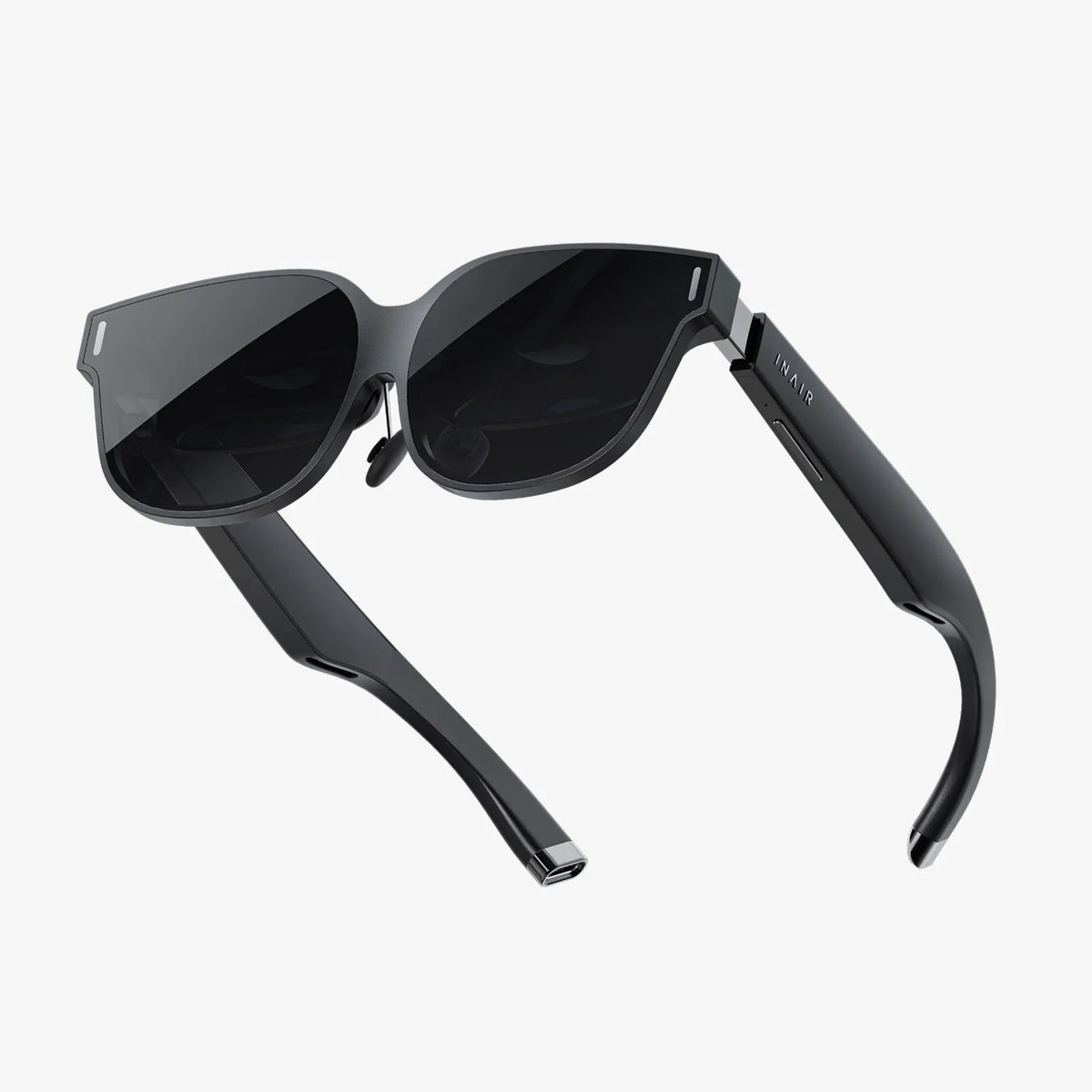
The most immediate and tangible set of predictions revolves around the hardware that will power these virtual experiences. The cumbersome headsets of today will give way to sleek, lightweight, and ultimately invisible technology.
The ultimate destination for VR hardware lies in bypassing our sensory organs entirely. The development of non-invasive brain-computer interfaces (BCIs) is advancing at a startling pace. Future predictions suggest that within a few decades, we may be able to experience fully immersive virtual environments directly through neural stimulation. This would mean experiencing sight, sound, touch, smell, and taste not through speakers and screens, but as signals interpreted by the brain. This technology would render controllers and physical movement obsolete for navigation, allowing users to manipulate virtual objects with their thoughts, creating a fidelity of immersion that is currently unimaginable.
Driven by exponential growth in computing power, specifically through specialized AI chips and quantum computing applications, virtual environments will achieve true photorealism. Ray tracing, light field technology, and AI-generated graphics will create worlds indistinguishable from physical reality. The "uncanny valley"—the eerie feeling evoked by almost-human avatars—will be a relic of the past. Hyper-realistic digital humans, powered by sophisticated AI, will populate these spaces, serving as colleagues, teachers, and companions.
Hardware is nothing without the software and infrastructure to support it. The much-discussed "metaverse" will evolve from a collection of disjointed virtual platforms into a cohesive, interconnected digital universe.
The future VR-enabled internet, often called Web 3.0 or the spatial web, will be built on a foundation of blockchain technology and decentralized protocols. This will allow for true digital ownership of assets (land, art, clothing) through NFTs, user-controlled data, and interoperable identities. Your avatar and your virtual possessions will be able to travel with you across different experiences and platforms, creating a persistent digital identity that holds real value and meaning.
Artificial intelligence will be the invisible hand shaping the virtual world. AI will not only power non-player characters (NPCs) but will dynamically generate entire environments on the fly. Imagine describing a fantasy landscape to an AI and having it construct it around you in real-time. AI will also personalize experiences to an incredible degree, adapting narratives, challenges, and environments to an individual's preferences, emotional state, and learning patterns.
The true measure of VR's future will be its impact on how we work, learn, heal, and connect. Its applications will move far beyond entertainment and gaming, becoming critical tools in every sector.
The concept of a "virtual office" will be completely transformed. Instead of flat video calls on a screen, teams will gather in photorealistic meeting rooms, around virtual prototypes, or on a simulated construction site. Architects will walk clients through unbuilt designs. Surgeons across the globe will collaborate in a shared virtual operating theater, practicing complex procedures on accurate digital twins of a patient's anatomy. This will democratize expertise and collaboration on an unprecedented scale.
Education will shift from passive learning to active experiencing. History students won't just read about ancient Rome; they will walk its streets, witnessing events firsthand. Medical students will perform intricate virtual surgeries thousands of times without risk. Mechanics will learn to repair complex machinery by interacting with a perfect digital replica. This experiential learning will dramatically increase knowledge retention and skill acquisition.
VR's applications in healthcare are already promising, but future predictions point to a central role in medicine. VR will be used for advanced physical therapy, guiding patients through exercises in engaging virtual environments. It will become a primary tool for treating PTSD, phobias, and anxiety disorders through controlled exposure therapy. Furthermore, with the integration of BCIs, VR could potentially help rehabilitate neural pathways in patients with brain injuries or paralysis.
Such a powerful technology does not arrive without profound challenges and ethical dilemmas. Our future predictions must include a cautious examination of the potential downsides.
As we spend increasing amounts of time in virtual worlds, questions of identity and self will become paramount. If you can be anyone or anything in VR, how does that affect your sense of self in the physical world? The potential for addiction is significant, as these hyper-stimulating, perfect worlds could become a preferable alternative to a challenging physical reality for many. Society will need to develop new norms and perhaps even digital wellness practices to maintain a healthy balance.
If the ultimate interface is a direct connection to your brain, the concept of data privacy takes on a terrifying new dimension. BCIs would have access to our raw thoughts, emotions, and unconscious reactions. Protecting this most intimate data from corporations, governments, and malicious actors will be the paramount security challenge of the 21st century. The development of ethical frameworks and robust, decentralized security protocols will be non-negotiable.
There is a real risk that VR technology could exacerbate existing social and economic inequalities. Access to high-fidelity, neural-linked VR could become a marker of extreme privilege, creating a class of "digital elites" with cognitive and economic advantages unimaginable to those who cannot afford access. Ensuring equitable access to the benefits of this technology will be a critical political and social challenge.
We are not merely looking at a new gadget or a more immersive game; we are peering into the next great platform for human experience, a frontier that promises to blur the very line between reality and simulation, challenging our definitions of connection, identity, and what it truly means to be human in an increasingly digital age.