


- by wangfred
Virtual Reality Future Products: The Next Decade of Immersive Technology
- by wangfred
Imagine a world where the line between the physical and the digital not only blurs but vanishes entirely, where your next meeting, vacation, or concert is just a headset away, rendered in breathtaking detail and shared with people across the globe as if they were in the room with you. This is the tantalizing promise held by the next generation of virtual reality future products, a technological frontier that is rapidly evolving from a niche novelty into a foundational platform set to reshape our very reality.
The most immediate and tangible evolution in virtual reality future products will be the hardware itself. Current generations, while impressive, are often criticized for their weight, limited field of view, and the cumbersome nature of being tethered to a powerful computer or relying on mobile processors that constrain visual fidelity. The next decade will see these barriers systematically dismantled.
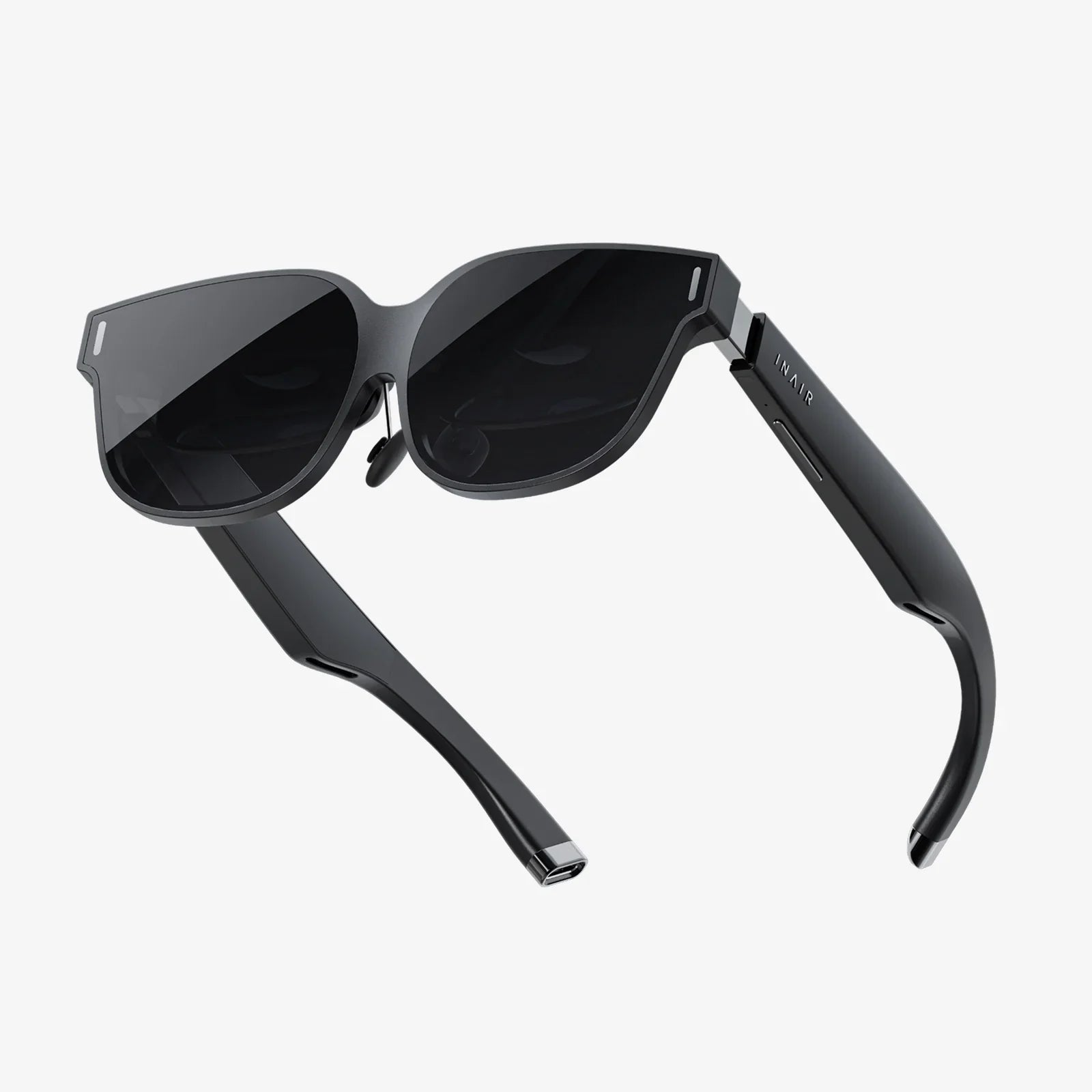
We are moving towards all-in-one devices that are lighter, more comfortable, and aesthetically designed for prolonged use. The goal is not just miniaturization but a complete rethinking of form factor. Think of sleek, glasses-like designs that you can comfortably wear for hours, not the bulky helmets of today. These future products will leverage advanced micro-OLED displays, offering resolutions so high that the dreaded "screen door effect" becomes a distant memory, creating a truly seamless visual experience.
Furthermore, the concept of a dedicated controller will evolve. While handheld haptic devices will continue to improve, providing more nuanced tactile feedback, the future lies in sophisticated inside-out tracking and neural interfaces. Cameras and sensors embedded in the headset will track your eyes, your facial expressions, and your full body movements with extreme precision, allowing for natural interaction within the virtual space. The ultimate frontier is non-invasive brain-computer interfaces (BCIs) that can interpret neural signals, enabling you to manipulate virtual objects through thought alone—a development that would represent a quantum leap in immersion and accessibility.
True immersion is not a visual experience alone; it is a full-body phenomenon. The next wave of virtual reality future products will move beyond stereo sound and rudimentary controller vibrations to engage all our senses in a cohesive and convincing manner.
Haptic technology will see monumental advances. We will move from simple vibration motors to sophisticated force feedback gloves and full-body suits. These garments will use arrays of actuators, air bladders, and thermal elements to simulate the feeling of touch, pressure, temperature, and even the impact of virtual rain or wind. Imagine shaking a virtual colleague's hand and feeling the firmness of their grip, or picking up a digital object and sensing its weight and texture. This level of tactile fidelity is crucial for professional applications like remote surgery or engineering design, but it will also profoundly deepen entertainment and social experiences.
Audio will become increasingly spatialized and dynamic. Future systems will use advanced head-related transfer function (HRTF) models personalized to the user's unique physiology, creating a 3D soundscape that is indistinguishable from reality. Sounds will originate from precise points in the virtual world, changing organically as you move your head, enhancing both realism and situational awareness. Some experimental products are even exploring the use of olfactory technology—digital scent generators—to simulate smells, further anchoring the user in the virtual environment.
The virtual worlds of tomorrow will not be cartoonish or obviously computer-generated. They will strive for, and often achieve, photorealism. This leap will be powered by two converging technologies: real-time ray tracing and artificial intelligence.
Ray tracing, a rendering technique that accurately simulates the physical behavior of light, is already transforming computer graphics. In future VR products, it will be implemented efficiently enough to run on mobile processors, allowing for stunningly realistic lighting, reflections, and shadows in real-time. This will make virtual environments feel tangible and physically consistent, dramatically increasing the sense of "presence"—the feeling of actually being there.
Artificial intelligence will be the true engine of these worlds. AI will not just be used for non-player characters (NPCs); it will dynamically generate vast, persistent, and ever-changing environments. Through techniques like procedural generation and neural radiance fields (NeRFs), AI can create expansive, unique landscapes on the fly. More importantly, AI will power hyper-realistic digital humans. These avatars, driven by the user's own expressions and voice, or entirely controlled by AI, will exhibit nuanced emotions, natural eye contact, and fluid conversation. This breaks the "uncanny valley" and makes social interaction in VR as rich and complex as it is in the real world, enabling meaningful connections and collaborations.
While entertainment captures the public's imagination, the most immediate and impactful adoption of advanced VR will occur in enterprise and professional settings. The virtual office is poised to become a true replacement for physical space.
Future productivity platforms will move beyond simple video conferencing avatars. They will offer persistent virtual workspaces—digital twins of office buildings, design labs, or lecture halls—where teams can collaborate on 3D models, manipulate data visualizations that float in mid-air, and brainstorm on infinite digital whiteboards. Architects will walk clients through unbuilt structures, engineers will stress-test virtual prototypes, and medical students will practice complex procedures on anatomically perfect digital cadavers, all from their homes or offices.
These applications will be supercharged by integration with the Internet of Things (IoT). A technician wearing a VR headset could see a real-time data overlay and instructions while repairing a complex machine on a factory floor, or a firefighter could see the thermal layout of a burning building, all provided by connected sensors feeding information directly into their immersive view. This merger of the physical and digital data spheres will create a powerful new paradigm for skilled labor and remote expertise.
At its core, virtual reality is a social technology. Its ultimate purpose is to connect people. The concept of the "metaverse"—a collective, persistent virtual shared space—is the grand vision that future VR products are building towards. This is not about a single corporate-owned platform, but an interconnected network of experiences, much like the internet today.
Future social VR products will enable shared experiences that are currently impossible. You could attend a live concert with friends from around the world, not just watching a stream but standing in a virtual mosh pit, feeling the bass through your haptic suit, and seeing the crowd react around you. You could travel to a digital reconstruction of ancient Rome for a history lesson or simply gather around a virtual campfire to tell stories, with your avatar perfectly conveying your laughter and expressions.
This has profound implications for reducing loneliness, fostering long-distance relationships, and creating new forms of community that are untethered from geography. Your digital identity, expressed through your customizable avatar and the virtual spaces you inhabit, will become an extension of your physical self. The social norms, economies, and cultures that emerge within these spaces will be one of the most fascinating sociological developments of the coming century.
This exciting future is not without its significant challenges and ethical dilemmas. The very immersion that makes VR so powerful also introduces risks. Issues of privacy and data security are paramount; these devices will have the potential to collect unprecedented amounts of biometric data, from eye-tracking to neural patterns. Robust frameworks for who owns this data and how it can be used are desperately needed.
Furthermore, the potential for addiction and the dissociation from physical reality is a serious concern. As virtual worlds become more appealing than the real one for some, we must grapple with the psychological impact. There is also the risk of exacerbating the digital divide; will access to these transformative experiences and the economic opportunities within the metaverse be available to all, or will it create a new class of "VR haves and have-nots"?
Finally, the problem of veracity and misinformation looms large. In a world where anything can be simulated with perfect realism, how will we discern truth from fiction? Deepfakes could evolve into entire fabricated events that feel real. Establishing digital provenance and authenticity will be a critical challenge for developers, policymakers, and society as a whole.
The path forward is not merely one of technological innovation but of careful, considered human-centered design and thoughtful regulation. The companies and consortiums building these virtual reality future products must prioritize safety, ethics, and accessibility from the ground up, ensuring that this powerful technology serves to enhance humanity rather than fracture it.
The headset you strap on five years from now will be a portal to experiences we can only dream of today—a seamless blend of reality and imagination where distance is obsolete and creativity is unbounded. The virtual frontier is open, and its potential to redefine every aspect of our lives, from how we work and learn to how we love and connect, is quite simply, limitless. The next great leap in human experience is being built in the virtual realm, and it’s arriving sooner than you think.
Share:
Top 5 Virtual Reality Trends Shaping Our Digital Future
Virtual Reality Consequences: Navigating the Uncharted Psychological and Societal Impact of Immersive Digital Worlds