


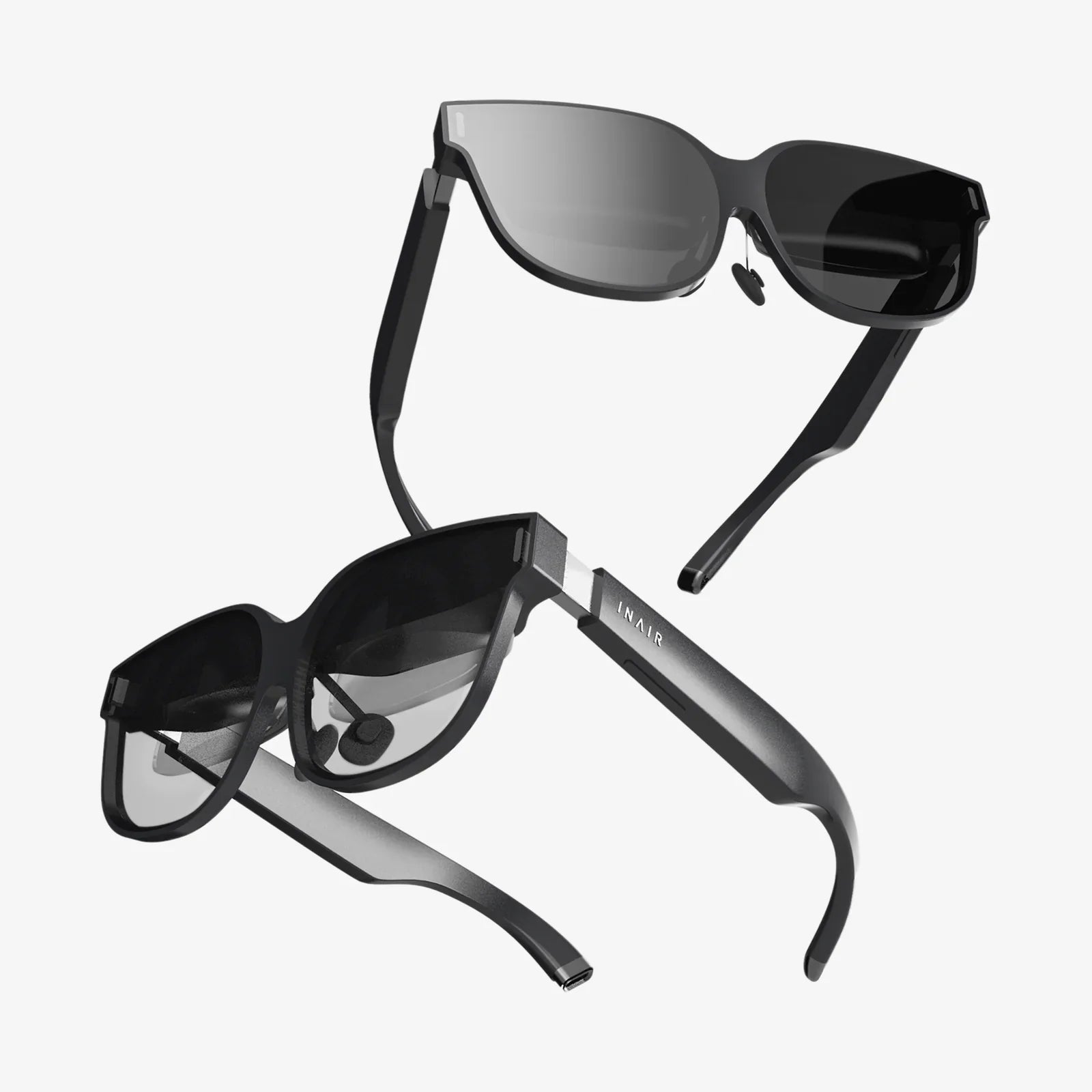
- by wangfred
Virtual Reality Gaming Devices Are Redefining the Boundaries of Digital Experience
- by wangfred
Imagine not just playing a game, but stepping inside it. The world you see on a flat screen erupts into a full sensory panorama, stretching to the horizons of your vision. You don't just control a character; you become them. Your hands, now digital, can push, pull, create, and destroy. This is the promise, and increasingly the reality, of modern virtual reality gaming devices. They represent the most significant leap in interactive entertainment since the move from 2D to 3D graphics, offering an unparalleled level of immersion that is captivating a growing global audience and pushing the very boundaries of what we consider possible in a digital space.
At its heart, a virtual reality gaming device is a sophisticated system designed to trick the human brain into accepting a digital world as real. This illusion, known as "presence," is achieved through a combination of cutting-edge hardware and software working in perfect harmony.
The most recognizable component is the Head-Mounted Display (HMD). This is not merely a screen strapped to your face; it's a complex optical instrument. Modern HMDs utilize two high-resolution displays, one for each eye, to create a stereoscopic 3D effect. These displays are coupled with specialized lenses that focus and reshape the image to fill your field of view (FOV), eliminating the periphery and any connection to the outside world. A high refresh rate, typically 90Hz or higher, is critical to ensure smooth motion and prevent the latency that can lead to motion sickness. The pursuit of visual fidelity is relentless, with advancements in micro-OLED technology offering incredible pixel density and vibrant colors, making the infamous "screen door effect" a relic of earlier generations.
Visuals are only half the battle. For true immersion, the system must track your movements with sub-millimeter precision. There are two primary methods for achieving this. Outside-In Tracking uses external sensors or base stations placed around the room to constantly monitor the position of the HMD and controllers. This method is renowned for its high accuracy. Inside-Out Tracking, a more recent innovation, uses cameras and sensors embedded directly on the HMD itself to map the physical environment and track movement without external hardware, offering greater ease of setup and portability.
Equally important are the motion controllers. These are your hands in the virtual world. They are packed with inertial measurement units (IMUs), haptic feedback motors, and often capacitive sensors that can detect individual finger movements. This allows for nuanced interactions—pointing, grabbing, throwing, and even gesturing—making the experience intensely physical and intuitive.
Immersion would be hollow without spatial audio. Built-in or specialized headphones use binaural audio technology to simulate sound coming from specific points in 3D space. The creak of a floorboard behind you, the whisper of wind to your left; these cues are vital for selling the reality of the environment and are crucial for competitive gameplay. Furthermore, advanced haptic systems are moving beyond simple controller rumbles. We are seeing the development of vests, gloves, and even full-body suits that can simulate the impact of a bullet, the brush of a hand, or the rumble of a nearby explosion, adding a profound tactile layer to the experience.
The technical specs are impressive, but their true value is in the experiences they enable. The immersion offered by virtual reality gaming devices is categorically different from traditional gaming.
VR ditches abstract button presses for natural motion. To open a door, you reach out and turn the handle. To scale a cliff, you look for handholds and physically pull yourself up. To aim a bow, you nock an arrow and draw the string back with the muscle memory of your own body. This physicality creates a powerful mind-body connection that flat-screen games cannot replicate. You don't just remember completing a puzzle; you remember the physical act of solving it. This leads to stronger emotional responses—genuine fear when leaning over a virtual precipice, real exhilaration when landing a difficult jump, and a deeper connection to the virtual world and its inhabitants.
While gaming is the primary driver, the application of these devices is rapidly expanding. Social VR platforms allow users to meet, talk, and interact with others using expressive avatars in persistent virtual spaces, from movie theaters to concert halls. This has profound implications for remote work and communication, making digital interactions feel more human and present. Fitness applications have also emerged as a surprise hit, turning exercise into a fun, gamified experience that can make a workout feel like an adventure. Furthermore, VR is being used for virtual tourism, allowing people to explore distant museums, historical sites, and natural wonders from their living room, as well as for therapeutic purposes like exposure therapy and pain management.
Despite the incredible potential, the world of virtual reality gaming is not without its hurdles. For many, the initial financial investment remains significant, requiring not only the HMD but also a powerful computing system to run it. Physical space is another consideration; while some experiences are seated, the most engaging ones often require a clear area to move around safely, leading to the perennial fear of bumping into real-world furniture.
Motion sickness, or "VR fatigue," is a challenge for some users. It occurs when there's a disconnect between what the eyes see (movement) and what the body feels (stationary). Developers combat this with clever design techniques like "comfort modes," teleportation movement, and maintaining a stable visual horizon. As technology improves with higher refresh rates and lower latency, this issue is becoming less prevalent.
Finally, there is an ongoing conversation about health and safety
The trajectory of virtual reality gaming devices points toward a future of even greater accessibility and realism. We are moving towards lighter, wireless headsets with resolutions approaching human visual acuity. The development of varifocal displays, which adjust focus based on where you are looking, will solve the current conflict between vergence and accommodation, making long sessions more comfortable. Eye-tracking technology will not only enable more expressive avatars but also allow for foveated rendering, where full processing power is focused only on the spot you're directly looking at, drastically improving performance. Perhaps the most exciting frontier is the development of haptic feedback technology. The goal is to create gloves and suits that can simulate texture, weight, resistance, and temperature, making virtual objects feel tangible. Furthermore, the lines between VR and the real world will continue to blur with advancements in Augmented Reality (AR) and Mixed Reality (MR), where digital objects are seamlessly integrated into your physical space. The convergence of these technologies will create persistent digital layers over our reality, forever changing how we work, play, and connect. This isn't just about better graphics or new ways to play shooters and puzzle games. We are standing at the precipice of a new medium, one that engages our senses and our bodies in ways previously confined to the realm of science fiction. Virtual reality gaming devices are the first, clumsy steps into a vast new frontier of human experience, and their evolution promises to redefine not just entertainment, but our very perception of reality itself. The door to these other worlds is now open, and it will only open wider.The Future is Virtual