


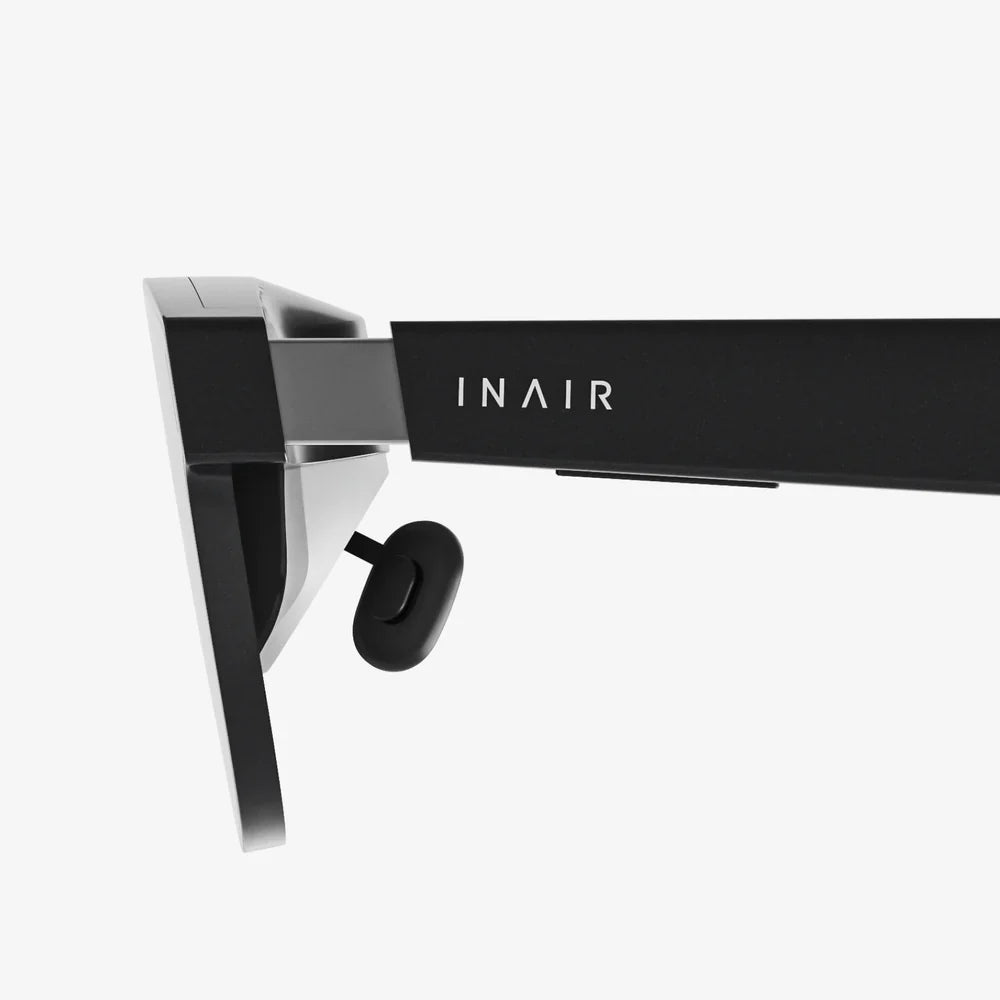
Imagine slipping on a pair of sleek, sophisticated glasses and instantly being transported to a concert on the other side of the world, a training simulation for a complex surgical procedure, or a virtual meeting room where colleagues appear as lifelike avatars. This is the promise of the metaverse, a digital revolution knocking on our collective door. But behind this shimmering vision of the future lies a tangible, hardware-driven reality, and its undisputed manufacturing heart beats firmly in the East. The journey to mainstream virtual reality adoption is being paved not just in Silicon Valley research labs, but on the sprawling factory floors and within the bustling tech hubs of China, where the very devices that will make this future possible are being conceived, refined, and produced at a scale unimaginable anywhere else.
The Manufacturing Colossus: From Shenzhen's Ecosystem to Global Dominance
To understand the virtual reality landscape, one must first look to the Pearl River Delta and the city of Shenzhen, a place that has transformed from a fishing village into the undisputed hardware capital of the world. This is not merely about low-cost labor; it is about an unparalleled ecosystem of innovation and efficiency. The production of virtual reality glasses is a complex dance involving precision optics, advanced microelectronics, sophisticated sensors, and ergonomic design. Nowhere on earth is the supply chain for these components more deeply integrated and agile than in China.
A single factory district might contain hundreds of specialized suppliers within a few square miles, offering everything from custom-molded lenses and micro-display panels to intricate circuit boards and flexible head straps. This hyper-condensed network allows for breathtaking speed from prototype to mass production. A design change that might take months to coordinate between international partners can be executed in weeks, or even days, in Shenzhen. This agility is a critical advantage in the fast-paced consumer electronics market, allowing manufacturers to rapidly iterate on designs, incorporate new technological breakthroughs, and respond to shifting consumer tastes with remarkable alacrity.
This manufacturing prowess has positioned the country as the world's workshop for virtual reality hardware. While global brands often design the software and user experience, the physical embodiment of their vision—the glasses themselves—are overwhelmingly manufactured by original design manufacturers (ODMs) and electronics manufacturing services (EMS) companies based in China. This dominance ensures that a significant portion of the global supply, from entry-level mobile VR viewers to high-end standalone and tethered headsets, flows directly from Chinese ports to international markets.
Beyond the Assembly Line: The Surge of Homegrown Innovation
The narrative of China's role in technology has long been shackled to the concept of 'Shanzhai'—cheap imitation. In the realm of virtual reality glasses, this outdated notion is being decisively shattered. A powerful wave of homegrown innovation is crashing through the industry, driven by a combination of significant state investment, a vast domestic market hungry for new technology, and a new generation of ambitious engineers and entrepreneurs.
Chinese tech giants and nimble startups alike are investing heavily in research and development, focusing on overcoming the fundamental hurdles that have hindered VR's widespread adoption. These are not just incremental improvements; they are ambitious leaps in core technology:
- Display Technology: Research is focused on developing higher-resolution micro-OLED and Fast-LCD screens with faster refresh rates to eliminate the screen-door effect and reduce motion sickness, providing a truly immersive visual experience.
- Optical Engineering: Innovations in pancake lenses are making headsets significantly lighter and more compact, moving away from the bulky, front-heavy designs of the past. These complex folded optics provide a sharper picture and a wider field of view in a much slimmer form factor.
- Tracking and Interaction: Companies are developing more accurate inside-out tracking systems that eliminate the need for external base stations, using sophisticated computer vision algorithms and a suite of cameras and sensors to understand the user's position in space. This extends to hand-tracking technology, allowing for intuitive, controller-free interaction within the virtual world.
- 5G and Cloud Integration: With its aggressive rollout of 5G infrastructure, China is at the forefront of exploring cloud-based VR. This paradigm shift aims to offload the intense processing requirements from the headset itself to powerful cloud servers, potentially enabling high-fidelity VR experiences on lighter, less expensive, and more accessible hardware.
This push for innovation is strategically aligned with national goals. Virtual reality is a cornerstone of the government's strategic plans for technological self-sufficiency and leadership in next-generation industries. It is seen not just as a consumer entertainment platform, but as a transformative tool for industrial applications, education, and urban management.
A Market of a Billion: The Unique Domestic Landscape
The development of virtual reality glasses in China is not happening in a vacuum. It is being shaped by the unique characteristics and immense scale of its domestic market. With over a billion internet users, even a niche product can achieve a user base that dwarfs the entire population of many countries. This provides a massive testing ground for new hardware, software, and business models.
Chinese consumer behavior also differs significantly from Western markets. There is a greater familiarity and comfort with immersive digital environments, fueled by the popularity of sprawling super-apps that integrate social media, gaming, payment, and entertainment. Virtual reality is often viewed as a natural extension of this digital lifestyle. Consequently, use cases are proliferating in ways distinct from other regions:
- Location-Based Entertainment (LBE): VR arcades and theme parks are immensely popular, offering high-end experiences that are too expensive for the average consumer to own at home. This ecosystem drives demand for durable, high-performance commercial-grade hardware.
- Social VR and Livestreaming: Integrating VR with China's massive livestreaming and e-commerce culture is a major focus. Imagine virtually attending a product launch and being able to examine a 3D model of a new smartphone from every angle alongside thousands of other viewers.
- Education and Vocational Training: There is significant government and institutional support for using VR in classrooms and for training in fields like manufacturing, healthcare, and public safety, creating a robust B2B and B2G market for hardware.
This vibrant and demanding domestic market acts as a powerful incubator, forcing local manufacturers to innovate rapidly, improve quality, and drive down costs to compete for the attention of savvy Chinese consumers.
Navigating the Global Stage: Challenges and the Road Ahead
Despite its formidable strengths, the path forward for China's virtual reality glasses industry is not without significant challenges. On the global stage, geopolitical tensions and concerns over data security and intellectual property can create headwinds for expansion. Building trusted international brands that can compete on reputation and software ecosystem, rather than just hardware specifications and price, remains a long-term endeavor.
Internally, the industry faces the classic hurdles of a rapidly growing tech sector: a intense war for top engineering talent, the need to move further up the value chain into core IP development, and the pressure to improve profit margins in a fiercely competitive market. Furthermore, the ultimate success of VR hardware is inextricably linked to the software and content available for it. Creating a compelling, walled-garden ecosystem of apps, games, and social experiences is a challenge that even the largest tech giants are still grappling with.
The future will likely see a continued bifurcation of the market. On one end, cost-optimized manufacturers will continue to produce capable hardware for the mass market, driving global adoption through affordability. On the other, leading Chinese tech firms will increasingly compete at the high end, pushing the boundaries of what VR glasses can do, not just with hardware, but by weaving them into integrated ecosystems encompassing AI, cloud computing, and the Internet of Things.
The next time you witness a demonstration of the metaverse's boundless potential, look closer at the hardware enabling it. There's a very strong chance its components were sourced, its assembly was perfected, and perhaps its very design was pioneered within the dynamic and relentless innovation engine that is China's technology sector. The future of virtual reality is being built, piece by precise piece, in a realm where ambitious vision meets manufacturing might, forever changing how we connect, work, and play.
Share:
Windows Auto Adjustment: The Smart Technology Revolutionizing Your View
Windows Auto Adjustment: The Smart Technology Revolutionizing Your View