


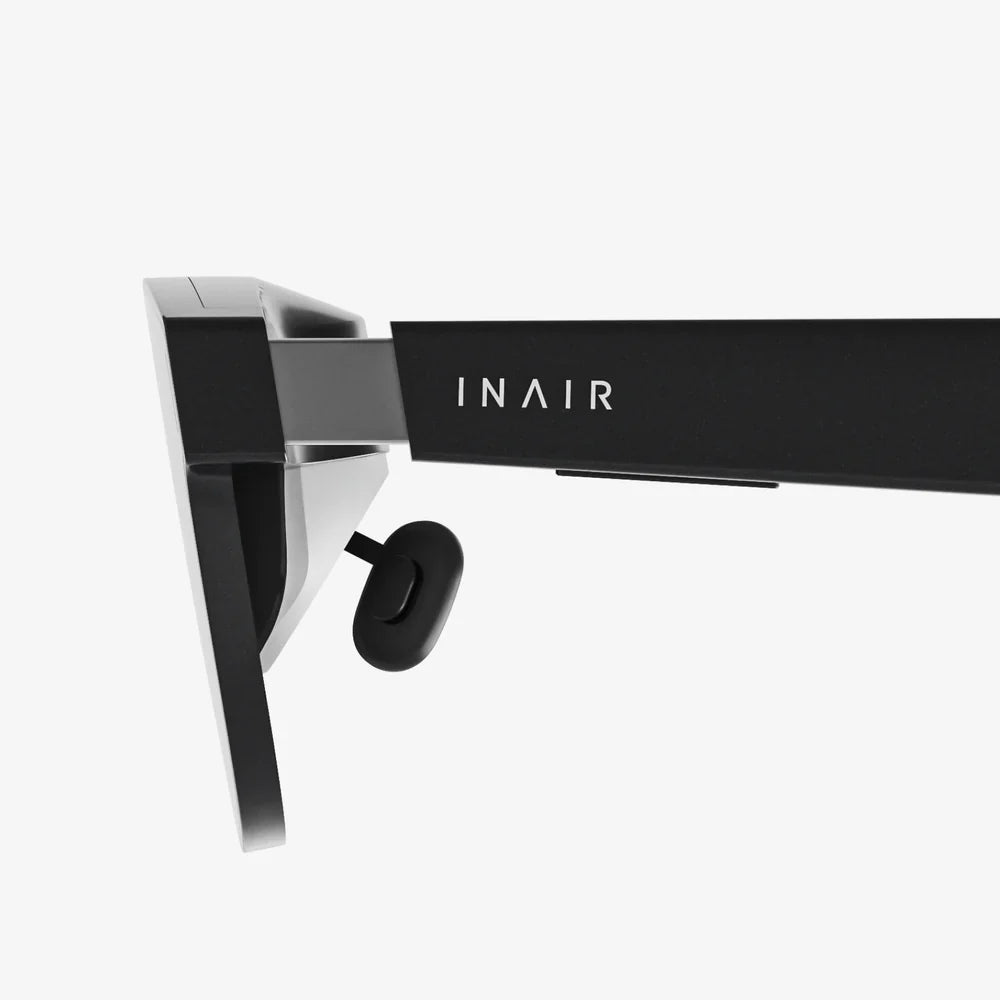
Imagine slipping on a pair of sleek glasses and instantly being transported to a sun-drenched beach, a bustling alien metropolis, or a meticulously recreated historical site. This is no longer the stuff of science fiction; it's the tangible promise of immersive technology. The realms of Virtual Reality (VR) and Augmented Reality (AR) are converging and expanding at a breathtaking pace, offering unprecedented ways to work, play, and connect. But with a dizzying array of headsets and glasses hitting the market, how does one navigate this new digital frontier? Understanding the fundamental differences between virtual reality glasses types and augmented reality systems is the first step to unlocking their transformative potential.
Demystifying the Spectrum: From Reality to Virtuality
Before diving into the specific types of hardware, it's crucial to grasp the core concepts that define these technologies. They exist on a spectrum known as the Reality-Virtuality Continuum.
Virtual Reality (VR) represents the far end of this spectrum. It is a fully digital, computer-generated environment that completely replaces the user's real-world surroundings. The primary goal of VR is immersion—shutting out the physical world to create a compelling sense of presence elsewhere. Users cannot see their own hands or the room they are physically in without digital representation.
Augmented Reality (AR) sits closer to the real-world end of the spectrum. Instead of replacing reality, it overlays digital information—images, text, 3D models, animations—onto the user's view of the physical world. The real environment remains central to the experience, enhanced with a layer of interactive data. A common, simple example is using a smartphone camera to see how a new piece of furniture might look in your living room.
Bridging these two is Mixed Reality (MR). This is a more advanced form of AR where digital objects are not just overlaid but anchored to and interact with the real world in real-time. A digital character might jump onto your real-world coffee table, or a virtual screen could be pinned to your physical wall, remaining in place as you move around the room.
A Deep Dive into Virtual Reality Glasses Types
The world of VR is not monolithic; it is served by a range of hardware with varying capabilities, prices, and intended uses. We can categorize them into three primary types.
1. Tethered VR Headsets
These are the powerhouses of the VR world. Tethered headsets are connected via a high-speed cable to a powerful external computer or gaming console, which acts as the brain, handling the intense processing required for high-fidelity graphics and complex simulations.
Key Characteristics:
- Performance: Unmatched graphical fidelity, processing power, and refresh rates, leading to the most immersive and visually stunning experiences.
- Tracking: Often utilize external sensors or base stations placed around the room for extremely precise positional tracking of the headset and controllers.
- Experience: Designed for high-end gaming, professional simulation (e.g., flight simulators, surgical training), and complex enterprise applications.
- Trade-off: The physical tether cable can limit freedom of movement and requires a significant amount of physical space for room-scale experiences.
These devices are for users who prioritize top-tier performance and already own, or are willing to invest in, a high-end computing system.
2. Standalone VR Headsets
Standalone headsets represent a massive leap in accessibility and convenience. All the necessary computing hardware—processor, memory, sensors—is built directly into the headset itself, eliminating the need for an external PC or console and, most importantly, any cumbersome cables.
Key Characteristics:
- Freedom & Accessibility: The defining feature is complete wireless freedom. Users can enjoy VR anywhere with enough space to move safely.
- Ease of Use: They are generally more affordable than a tethered setup and much easier to set up, making VR accessible to a mass audience.
- Performance: While processing power has increased dramatically, standalone graphics are still a step behind high-end tethered systems due to thermal and power constraints inherent in mobile chipsets.
- Tracking: Uses inside-out tracking, where cameras on the headset itself map the environment and track the controllers, eliminating the need for external sensors.
Standalone headsets have become the most popular consumer-facing category, perfect for gaming, fitness, social experiences, and media consumption.
3. Smartphone-Based VR Headsets
This category, largely popularized by early consumer efforts, involves a head-mounted shell with lenses into which a user slots their smartphone. The phone's screen displays the content, and its sensors (gyroscope, accelerometer) provide the head-tracking.
Key Characteristics:
- Cost & Entry Point: This was the most affordable way to experience basic VR, as it leveraged hardware users already owned.
- Limited Capabilities: Experiences are constrained by the phone's processing power, battery life, and screen resolution. They typically lack positional tracking (only rotational) and dedicated motion controllers, leading to a less immersive experience.
- Current Status: This market segment has significantly declined with the rise of capable and affordable standalone headsets, which offer a far superior experience.
The Augmented Reality Landscape: More Than Just Glasses
Unlike VR, which is predominantly experienced through dedicated headsets, AR technology manifests in several form factors, from the device in your pocket to specialized smart glasses.
1. Handheld AR (Smartphone/Tablet)
This is the most ubiquitous form of AR today. It uses the camera on a mobile device to display the real world on the screen, overlaying digital elements on top. From social media filters to navigation cues and gaming, handheld AR has introduced billions to the concept of an augmented world.
2. Smart Glasses (Consumer & Enterprise)
This is the form factor most often imagined when discussing AR: eyeglasses that can project information onto their lenses. However, they vary greatly in capability.
- Assisted Reality Glasses: These are monocular devices (information in one eye only) that display static information like instructions, diagrams, or video feeds for remote assistance. They are designed for enterprise use to provide hands-free access to crucial information without full immersion.
- True AR Smart Glasses:
These are the holy grail—binocular glasses that allow for rich, interactive 3D graphics to be seamlessly blended with the real world. The technology for consumer-ready glasses of this type that are also socially acceptable (small, lightweight, long battery life) is still in its relative infancy. Current offerings are often targeted at developers and enterprise applications.
3. Holographic Devices
These are larger, more powerful devices that often resemble a visor. They use advanced waveguides and sensors to create rich, persistent holograms that interact with the environment. They are powerful MR tools primarily used in enterprise and industrial settings for design, training, and remote collaboration.
Choosing Your Portal: Key Considerations
Selecting the right device depends entirely on your intended use case, budget, and technical tolerance.
For the Hardcore Gamer and Tech Enthusiast:
A tethered VR headset connected to a powerful gaming PC remains the ultimate choice for the highest-fidelity, most immersive gaming and simulation experiences. The investment is significant but delivers an unparalleled level of presence and interaction.
For the Mainstream User and Fitness Aficionado:
A standalone VR headset is the obvious recommendation. It offers a fantastic balance of performance, convenience, and value. It's perfect for playing popular games, engaging in VR fitness apps, watching immersive movies, and socializing in virtual spaces, all without being tied down.
For the Professional and Enterprise User:
The choice depends on the task. For complex visualization, design, and training, a high-end tethered VR system or a holographic MR device is ideal. For field service, logistics, and hands-free information access, assisted reality smart glasses or more powerful enterprise-focused AR glasses are the tools of choice.
For the Curious Consumer interested in AR:
Your smartphone is already a powerful AR portal. For a more immersive, hands-free experience, the market for true consumer AR glasses is still developing, but early adopter options and developer kits are available for those eager to explore the potential.
The Future is Blended: The Convergence of VR and AR
The lines between VR and AR are already beginning to blur. Many modern standalone VR headsets now feature high-resolution color passthrough cameras. This allows them to function as video-based AR devices, letting users see their physical surroundings in real-time with digital overlays. This capability, often referred to as Mixed Reality on these platforms, is transforming them from portals to purely virtual worlds into devices that can blend the digital and physical.
This convergence points to a future where a single pair of glasses might be able to dynamically shift between fully opaque VR for immersive entertainment and transparent AR for daily information enhancement. The underlying technologies—inside-out tracking, computer vision, spatial mapping, and display systems—are shared across both fields, driving innovation for all immersive experiences.
The evolution of virtual reality glasses types and augmented reality systems is marching steadily towards a more integrated, intuitive, and powerful future. From transforming how we design cities and train surgeons to revolutionizing social connection and storytelling, the potential is limitless. This isn't just about new gadgets; it's about fundamentally expanding human experience and capability. The question is no longer if these technologies will become mainstream, but how quickly we will adapt to a world where the digital and physical are forever intertwined.
Share:
Wearable Tech Industry The Unseen Revolution Reshaping Our Daily Lives
Augmented Reality Glasses Pros and Cons: A Deep Dive Into Our Digital Overlay