


Imagine a world where your watch anticipates a health crisis before you feel a single symptom, where your glasses translate foreign street signs in real-time, and your clothing monitors your posture to prevent injury. This is not a glimpse into a distant sci-fi future; it is the unfolding reality driven by the relentless innovation of the wearable tech industry. This sector has quietly evolved from a niche market for gadget enthusiasts into a pervasive force, seamlessly integrating technology into the very fabric of our daily existence, promising to redefine what it means to be human in a hyper-connected age.
The journey of wearable technology is a fascinating tale of convergence. Its conceptual roots are deeply embedded in the pages of science fiction and the imaginations of inventors who dreamed of empowering individuals with personal, portable computation. Early pioneers experimented with devices that, by today's standards, seem clunky and impractical—think of the calculator watch of the 1980s. However, these were the crucial first steps. The true catalyst for the modern industry was the perfect storm of technological miniaturization. Breakthroughs in microprocessors, sensors, batteries, and wireless connectivity finally provided the essential building blocks to move beyond concept into viable consumer product.
The Pillars of the Modern Wearable Ecosystem
Today's wearable tech industry is not a monolith but a vibrant and diverse ecosystem, categorized primarily by device type and function.
Health and Wellness Monitors
This is arguably the sector's most impactful and rapidly growing domain. Devices in this category have transcended simple step counting. Advanced health monitors now offer continuous electrocardiogram (ECG) readings, blood oxygen saturation (SpO2) monitoring, skin temperature tracking, and sophisticated sleep stage analysis. They are becoming indispensable tools for both consumers and medical professionals, enabling proactive health management and providing rich, longitudinal data that was previously impossible to gather outside a clinical setting.
Smart Watches and Wristbands
Serving as the central hub for many users' digital lives, these devices have become miniature command centers on the wrist. They blend communication—delivering notifications, calls, and messages—with comprehensive fitness tracking and an ever-expanding universe of third-party applications. Their success lies in their convenience and multifunctionality, offering a less intrusive alternative to constant smartphone interaction.
Hearables
This category, primarily consisting of wireless earbuds and hearing aids, has undergone a revolution. Modern hearables do far more than play audio; they actively enhance the user's auditory experience. Features like adaptive noise cancellation, real-time language translation, personalized sound amplification, and integrated voice assistants have transformed them from passive listening devices into active, intelligent companions.
Smart Eyewear
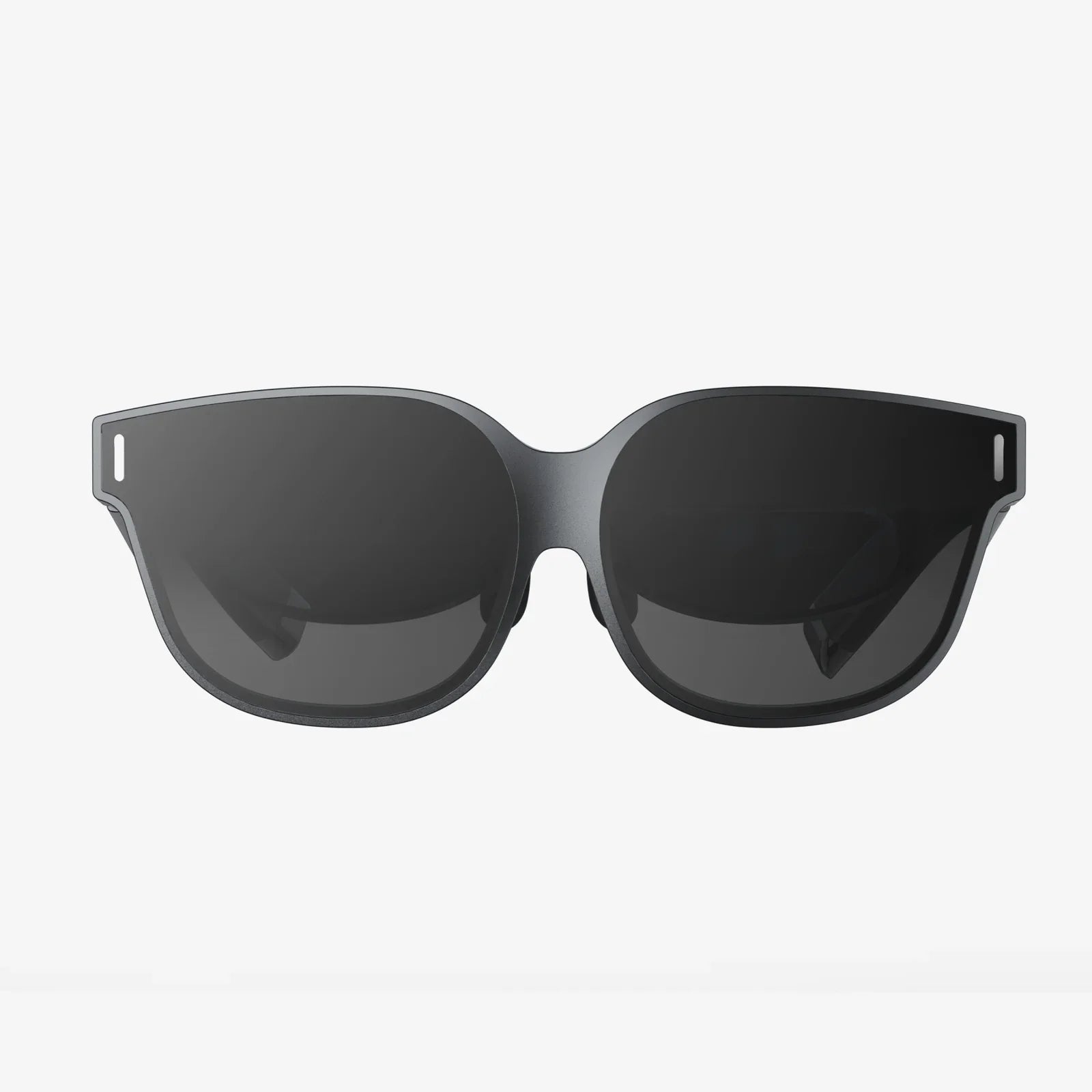
While earlier attempts faced challenges with design and social acceptance, smart glasses are experiencing a renaissance. Current iterations focus on more discreet augmented reality (AR) overlays, providing contextual information, navigation prompts, and hands-free data access for professionals in fields like logistics, manufacturing, and healthcare. The potential for seamless information overlay onto the real world remains one of the industry's most exciting frontiers.
Smart Apparel and Footwear
Here, technology is woven directly into the textiles themselves. Smart shirts can monitor breathing and muscle activity, while running shoes can analyze gait and form to recommend improvements and prevent injury. This represents the ultimate goal of wearables: complete integration where the technology becomes invisible, and the garment itself is the interface.
The Engine Room: Key Technologies Driving Advancement
The relentless progress in wearables is fueled by parallel advancements in several core technological fields.
Sensor Fusion: No single sensor provides a complete picture. Modern devices combine data from accelerometers, gyroscopes, optical heart rate sensors, GPS modules, and microphones. Sophisticated algorithms then fuse this data to generate accurate insights about activity, location, and health metrics.
Artificial Intelligence and Machine Learning: AI is the brain of the modern wearable. Raw sensor data is meaningless without intelligent interpretation. Machine learning models detect patterns, identify anomalies like atrial fibrillation, predict user intent, and personalize recommendations, turning vast streams of data into actionable, intelligent feedback.
Edge Computing: To preserve battery life and increase speed, more processing is being done on the device itself—on the 'edge' of the network—rather than constantly sending data to the cloud. This allows for real-time analysis and response, which is critical for applications like fall detection or instant language translation.
Battery and Power Management Innovations: The quest for longer battery life drives material science and engineering. Innovations include low-power displays, more efficient processors, energy-harvesting technologies that leverage solar, kinetic, or thermal energy, and the development of new battery chemistries.
Convergence and the Future of Healthcare
The most profound impact of the wearable tech industry is its collision with the healthcare sector, giving birth to the era of continuous, remote patient monitoring. This shift from episodic, reactive care in a doctor's office to proactive, data-driven health management is revolutionary. Clinical-grade wearables allow for the management of chronic conditions like diabetes, hypertension, and cardiac issues from the comfort of a patient's home, reducing hospital readmissions and improving quality of life. This data empowers individuals to take ownership of their health and provides physicians with an unprecedented, objective view of a patient's health over time, leading to more personalized and effective treatment plans.
Significant Challenges on the Horizon
Despite its promise, the industry faces formidable obstacles that will shape its trajectory.
Data Privacy and Security: Wearables collect the most intimate data possible—continuous biological and locational information. This creates a treasure trove for hackers and raises serious questions about who owns this data, how it is used, and who it can be sold to. Robust cybersecurity measures and transparent, ethical data policies are not optional; they are fundamental to maintaining user trust.
Battery Life Limitations: The gap between user demands for more features and the physical limitations of battery technology remains a primary constraint. Until a breakthrough in power sources occurs, manufacturers must continue to innovate in power management and efficiency.
Market Saturation and Consumer Fatigue: With numerous devices offering incremental improvements, differentiating products and providing genuine, unique value is increasingly difficult. Consumers may become fatigued by the constant cycle of upgrades if the tangible benefits are not clear.
Regulatory Hurdles: As wearables make more serious health claims, they inevitably attract the attention of medical device regulators. Navigating these complex approval processes is time-consuming and expensive, potentially slowing the pace of innovation for medical-grade wearables.
The Next Frontier: What Lies Ahead?
The future of the wearable tech industry points toward even greater integration and intelligence. We are moving toward discreet, unobtrusive devices that offer truly contextual and ambient computing. Think of smart contact lenses that monitor glucose levels, neural interfaces that allow for control of devices through thought, and electronic skins that can sense touch, temperature, and pressure. The line between the biological self and the technological augment will continue to blur, raising profound ethical and philosophical questions about human enhancement and identity.
The wearable tech industry is no longer just about the devices we strap on; it's about the invisible layer of intelligence we choose to wear. It represents a fundamental shift in how we interact with information, manage our health, and connect with the world around us. The revolution is not coming; it is already on our wrists, in our ears, and woven into our clothing, quietly collecting data and waiting for the moment to whisper a crucial piece of advice that could, quite literally, change a life. The promise of a healthier, safer, and more efficient future is being built one sensor, one algorithm, and one wearable at a time, and the decision to engage with this revolution is already in the palm of your hand—or on your wrist.
Share:
Office Virtualization: The Complete Guide to the Modern, Borderless Workspace
Virtual Reality Glasses Types Augmented Reality: A Guide to Immersive Tech