


- by wangfred
Virtual Reality Goggles: A Portal to New Realities and the Future of Human Experience
- by wangfred
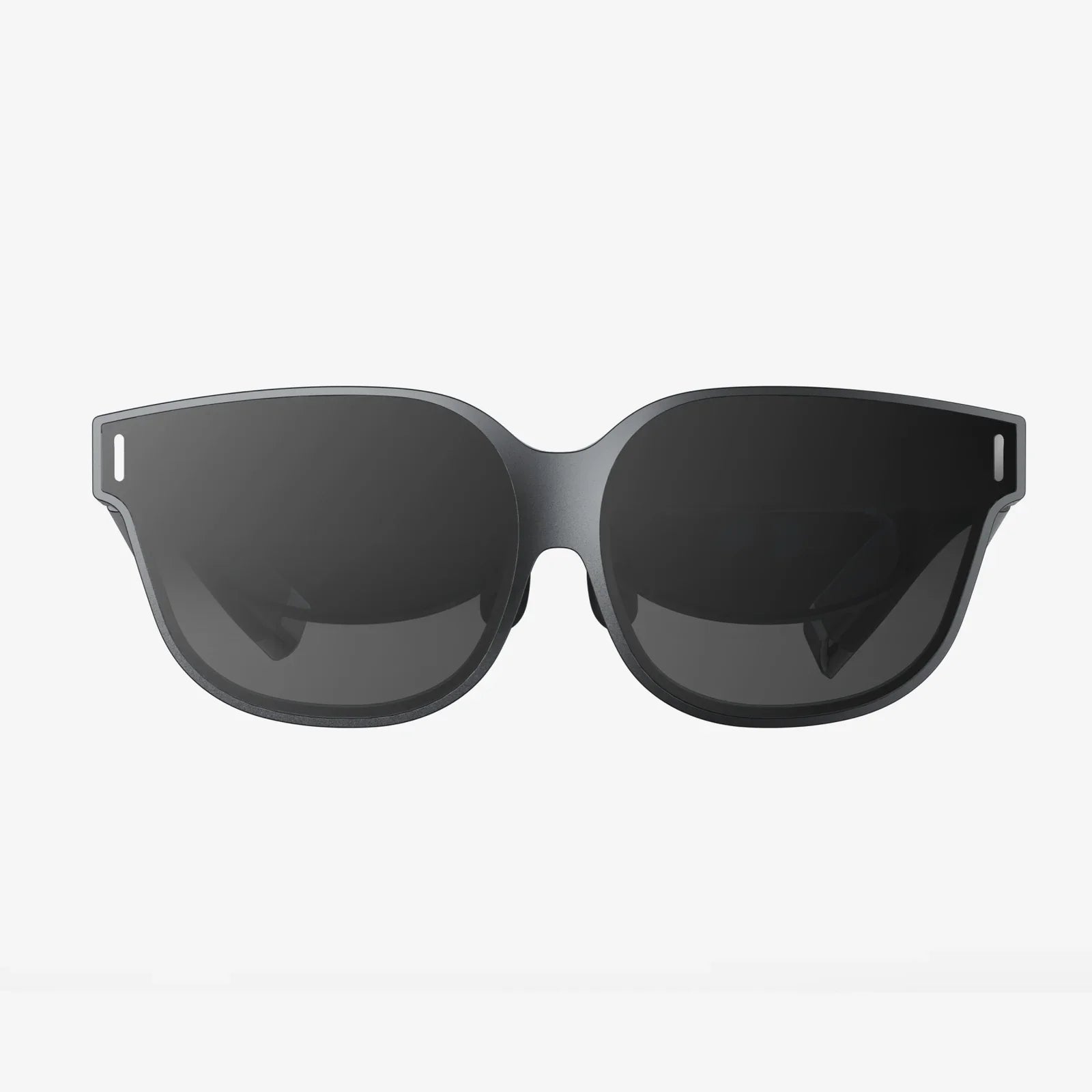
Imagine slipping on a pair of sleek, futuristic glasses and instantly being transported. One moment you're in your living room; the next, you're standing on the surface of Mars, the red dust swirling around your boots, the vast, empty horizon stretching before you. Or perhaps you're sitting in the front row of a roaring concert, the bass vibrating through your very being, or delicately practicing a complex surgical procedure with zero risk to a patient. This is the profound promise and the palpable power of the modern virtual reality goggle, a device that has evolved from a clunky curiosity into a sophisticated portal to limitless experiences. It’s not just a screen you look at; it’s a world you step into, and it’s poised to change everything.
To understand the magic of virtual reality, one must first appreciate the intricate symphony of technology working in perfect harmony inside the headset. It's a feat of modern engineering designed to fool your most fundamental senses: sight, sound, and even touch.
At its core, a virtual reality goggle is a viewing apparatus. But unlike a television or a monitor, its job is to fill your entire field of vision. Inside the headset, high-resolution displays—one for each eye—project a stereoscopic image. This dual-image system is the foundation of depth perception in VR. By presenting two slightly different perspectives, it mimics how our eyes work in the real world, creating a convincing sense of three-dimensionality.
These displays are viewed through specialized lenses that sit between your eyes and the screens. These are not simple magnifying glasses; they are precision optical elements designed to warp the flat image from the displays into a wide, panoramic field of view. They correct for distortions and focus the light in a way that makes the virtual world appear sharp and vast, not like you're simply looking at two small screens held close to your face. The quality of these lenses is paramount, directly impacting the visual clarity and comfort of the experience, helping to reduce the eye strain that plagued earlier generations of hardware.
Visuals alone are not enough to create a believable virtual world. The experience must be dynamic and responsive. If you turn your head, the world must turn with you instantly and without hesitation. This is achieved through advanced tracking systems. Inside-out tracking uses a series of tiny cameras mounted on the headset itself to constantly scan the surrounding environment. By tracking the relative position of static objects in your room, the headset can calculate its own movement in real-time with astonishing accuracy.
This is complemented by inertial measurement units (IMUs)—sensors including gyroscopes and accelerometers—that detect the precise rotation and acceleration of your head. The fusion of these data streams allows the virtual reality system to update the perspective you see with millisecond latency. Any lag or miscalculation here breaks the illusion immediately, often leading to disorientation or motion sickness. Thus, this high-fidelity, low-latency tracking is non-negotiable for true immersion.
Sound is half the experience. Virtual reality employs 3D spatial audio, a technology that makes sounds behave as they do in the real world. If a virtual bird is chirping to your left and behind you, you will hear it that way. The audio changes subtly as you turn your head, providing crucial auditory cues about your environment. This is not just about adding surround sound; it's about creating an acoustic model of a space. The crackle of a fire feels like it's emanating from a specific point, and the echo of footsteps in a virtual cavern gives you a sense of the size and material of the space you're in. This layer of sonic immersion is vital for selling the fantasy and is often the difference between observing a scene and feeling truly present within it.
While gaming and immersive entertainment are the most visible and popular applications, the utility of virtual reality goggles extends far beyond. They are becoming powerful tools in some of the most critical fields of human endeavor.
Imagine a medical student being able to step inside a detailed, beating human heart, walking through its chambers to understand anatomy in a way textbooks could never provide. Or a history class not just reading about ancient Rome, but holding a virtual forum meeting within a meticulously reconstructed Colosseum. Virtual reality goggles make this possible. They offer experiential learning, which is proven to enhance retention and understanding.
In high-stakes professions, VR training is a game-changer. Surgeons can practice complex procedures on virtual patients, astronauts can simulate spacewalks, and mechanics can learn to repair new engines long before the physical models are available. This allows for the making of mistakes without real-world consequences, building muscle memory and confidence in a completely safe environment.
The concept of the office is evolving. Virtual reality goggles are at the forefront of creating the metaverse for work—persistent virtual spaces where colleagues from across the globe can meet and collaborate as if they were in the same room. Instead of a flat video call, teams can gather around a 3D model of a new building design, manipulating it together in real-time. Architects can walk clients through unbuilt homes, and corporate training can become an interactive, engaging experience. This technology has the potential to dissolve geographical barriers, making collaboration more human and effective than traditional remote work tools.
The therapeutic potential of VR is immense and growing. It is being used for exposure therapy, helping patients with phobias like fear of heights or flying to confront their anxieties in a controlled, gradual way. For patients undergoing painful procedures or dealing with chronic pain, VR serves as a powerful distraction, immersing them in calming environments that can reduce perceived pain levels. It's also being explored for physical rehabilitation, turning repetitive exercises into engaging games that motivate patients to complete their therapy regimens.
As with any powerful technology, the rise of virtual reality goggles brings a host of questions and challenges that society must grapple with.
Early adopters often faced a trio of physical complaints: discomfort from heavy headsets, eyestrain from imperfect optics, and cybersickness—a form of motion sickness induced by a disconnect between what the eyes see and what the body feels. While modern designs are lighter, better balanced, and feature higher refresh rates to mitigate these issues, they are not entirely eliminated. Prolonged use can still lead to fatigue, and manufacturers continue to invest heavily in ergonomic research to make the hardware disappear, allowing users to focus solely on the experience.
What does it mean for human interaction when we can choose to spend increasing amounts of time in idealized virtual worlds? Concerns about social isolation are prevalent, as a compelling virtual life could potentially lead to withdrawal from physical society. Furthermore, the concept of presence is so powerful that experiences in VR can feel real, raising questions about psychological impact. A traumatic virtual event could have real emotional consequences. Conversely, this same power can be used for profound good, fostering empathy by allowing people to literally see the world through someone else's eyes, such as in simulations designed to illustrate the daily challenges faced by others.
The data collection capabilities of a virtual reality goggle are unprecedented. It's not just tracking what you click on; it's tracking your every movement, your gaze, your reactions, and even the biometric data of your pupils. This treasure trove of behavioral analytics is incredibly valuable for developers to improve experiences, but it also represents a potential privacy nightmare. The question of who owns this data, how it is used, and how it is protected is one of the most critical debates that will shape the development of the VR industry and its regulation.
The current state of the technology is impressive, but it is merely a stepping stone. The future of virtual reality goggles is moving towards greater fidelity, greater comfort, and greater integration with our reality.
The holy grail is achieving true visual realism—resolution so high and refresh rates so seamless that the human eye cannot distinguish the virtual from the real. This will require leaps in display technology, likely moving towards micro-LED and retinal projection systems. Haptic feedback will evolve from simple controller vibrations to full-body suits and gloves that let you feel the texture of a virtual object or the impact of a virtual rainstorm.
Perhaps the most significant evolution will be the move towards mixed reality (MR), where virtual objects are seamlessly anchored and integrated into your physical space. Advanced passthrough cameras will allow future headsets to function as both a portal to entirely virtual worlds and as an enhanced layer over our own, blending digital and physical realities into a cohesive whole. This could revolutionize everything from how we access information to how we design and interact with our homes.
We are standing at the precipice of a new dimension of human experience. The virtual reality goggle is the key that unlocks the door. It’s a tool for creators, a window for explorers, a simulator for professionals, and a canvas for the imagination. The worlds we will build, the connections we will forge, and the realities we will choose to inhabit are limited only by our own creativity. The headset is on; the future is waiting to be rendered.