


- by wangfred
Virtual Reality Goggles for Computer: The Ultimate Portal to Immersive Digital Worlds
- by wangfred
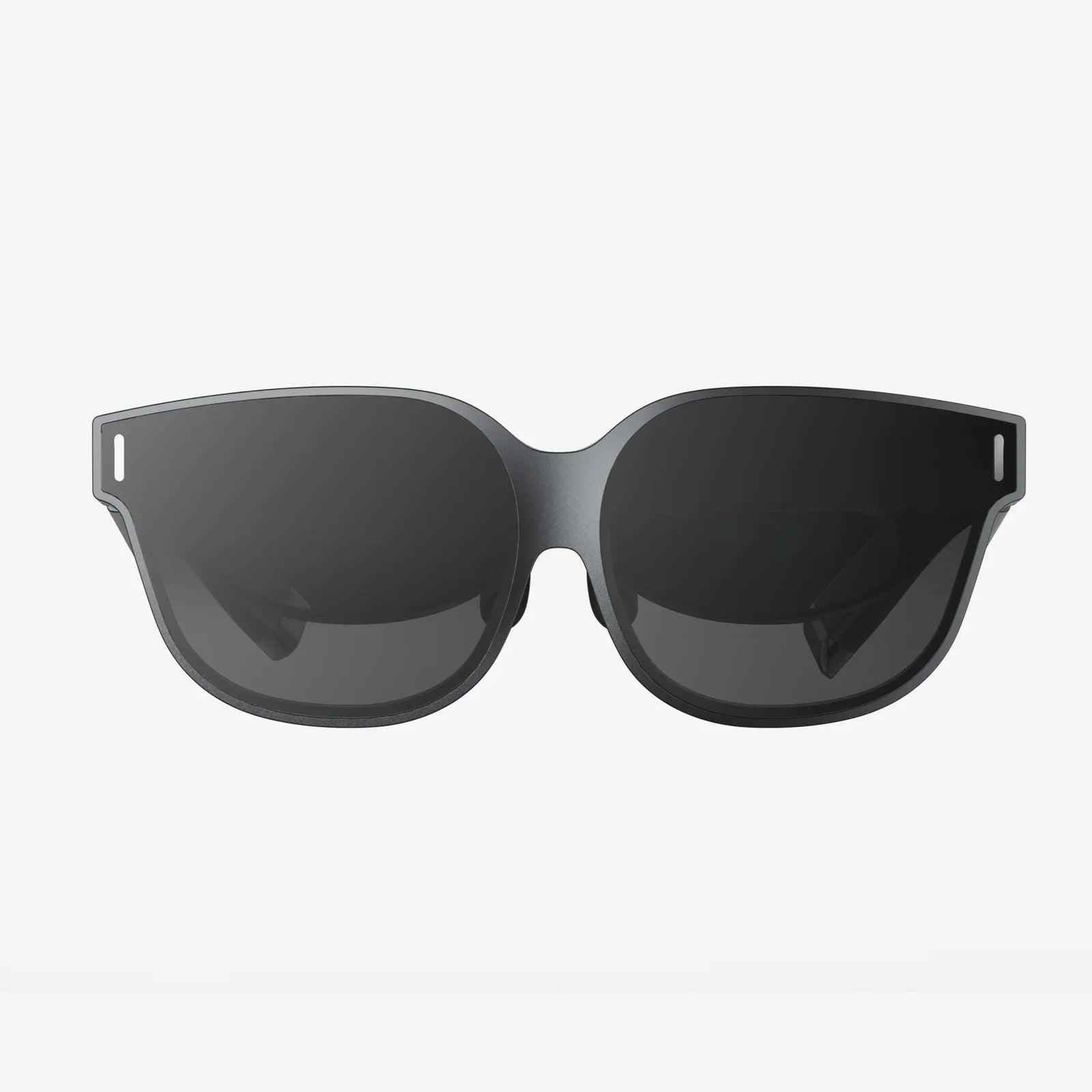
Imagine strapping a device to your head and instantly being transported. Your physical surroundings dissolve, replaced by a breathtaking alien landscape, a meticulously recreated historical site, or a collaborative digital workspace limited only by imagination. This is the promise and the power of virtual reality goggles for computer, a technology that has evolved from science fiction fantasy into a powerful, accessible tool reshaping entertainment, education, and enterprise. The journey into these immersive realms begins not with a complex setup, but with a single, crucial piece of hardware: a high-performance headset connected to a powerful computer, serving as your personal gateway to the impossible.
At their core, virtual reality goggles for computer are sophisticated display systems designed to trick the human brain into perceiving a digital environment as real. Unlike standalone variants, these headsets act as a terminal, leveraging the immense processing power of a connected computer to generate incredibly complex and high-fidelity experiences.
The primary window into these virtual worlds is the display technology within the goggles. Most modern systems utilize twin high-resolution LCD or OLED panels, one for each eye. Key metrics defining the visual experience include:
For immersion to hold, the virtual world must respond to your movements with perfect accuracy. This is achieved through precise positional tracking. There are two primary methods:
Immersion is a multi-sensory experience. Spatial audio is a critical component, using advanced algorithms to simulate how sound waves interact with the environment and the shape of the human ear. This allows users to pinpoint the location and distance of a sound source—behind, above, or far away—with remarkable accuracy, making a creaking door or a whisper in the dark feel terrifyingly real.
Haptic feedback, through advanced controllers, provides the sense of touch. Rumble motors and more sophisticated linear actuators can simulate the recoil of a weapon, the impact of a tennis ball on a racket, or the subtle vibration of a virtual engine.
While gaming is the most famous application, the utility of computer-powered VR extends far beyond.
VR offers a safe, cost-effective, and profoundly effective platform for learning. Medical students can practice complex surgical procedures on virtual patients, making mistakes without consequence. Astronauts, pilots, and heavy machinery operators can train in high-risk scenarios within a perfectly simulated environment. History classes can take students on guided tours of ancient Rome or Egypt, walking through digitally reconstructed ruins.
Architects and engineers are using VR to step inside their designs long before ground is broken. This allows for unparalleled spatial awareness, enabling them to identify potential design flaws, experiment with lighting and materials, and present their vision to clients in an utterly compelling way. Car designers can sit inside a full-scale model of a vehicle prototype, examining every detail from a human perspective.
The concept of the "metaverse" is largely built upon social VR platforms. Colleagues from across the globe can meet in a shared virtual boardroom, interacting with 3D models and data visualizations as if they were physical objects. Friends can gather in virtual cinemas, concert venues, or simply hang out in custom environments, with avatars that convey body language and facial expressions, fostering a deeper sense of presence than any standard video call.
Selecting the right virtual reality goggles for your computer involves balancing several factors against your needs and budget.
The first and most critical step is ensuring your computer has the necessary horsepower. This is non-negotiable. Key components include:
Once your PC is verified, consider the headset itself:
The trajectory of computer-connected VR is pointed toward even greater realism and accessibility. We are moving towards headsets with varifocal displays that mimic the eye's natural focusing ability, eliminating the vergence-accommodation conflict that can cause discomfort. Eye-tracking technology will enable foveated rendering, where the GPU focuses its power only on the spot where the user is directly looking, dramatically improving efficiency and allowing for even more complex graphics. Haptic technology will evolve from simple vibrations to full haptic gloves and suits, providing nuanced feedback for virtual objects. Wireless adapter kits are already available, and future headsets will likely integrate high-bandwidth wireless technology as standard, cutting the final cord and granting users true freedom of movement.
The door to these digital dimensions is now open, offering more than just games—it's a new paradigm for human-computer interaction. The raw power of a modern computer, channeled through a sophisticated headset, creates experiences that are not just seen but felt, remembered not as something you watched but as somewhere you were. This is the unparalleled potential of virtual reality goggles for computer, an invitation to explore, create, and connect in ways we are only beginning to understand.
Share:
Hologram vs Virtual Reality: A Deep Dive into the Future of Digital Perception
Does Virtual Reality Use Artificial Intelligence? The Symbiotic Tech Revolution