


Imagine stepping into a surgical theater to observe a complex heart procedure, exploring the ancient ruins of Rome from your living room, or conducting a critical safety training session for a remote oil rig—all without ever leaving your home. This is no longer the stuff of science fiction. The rapid evolution of virtual reality goggles has catapulted this technology from a niche gaming peripheral to a powerful tool with the potential to redefine countless aspects of our personal and professional lives. The uses for these immersive portals now extend into virtually every corner of society, promising a future where the lines between the physical and digital worlds are beautifully, and productively, blurred.
The Foundational Technology: A Brief Primer
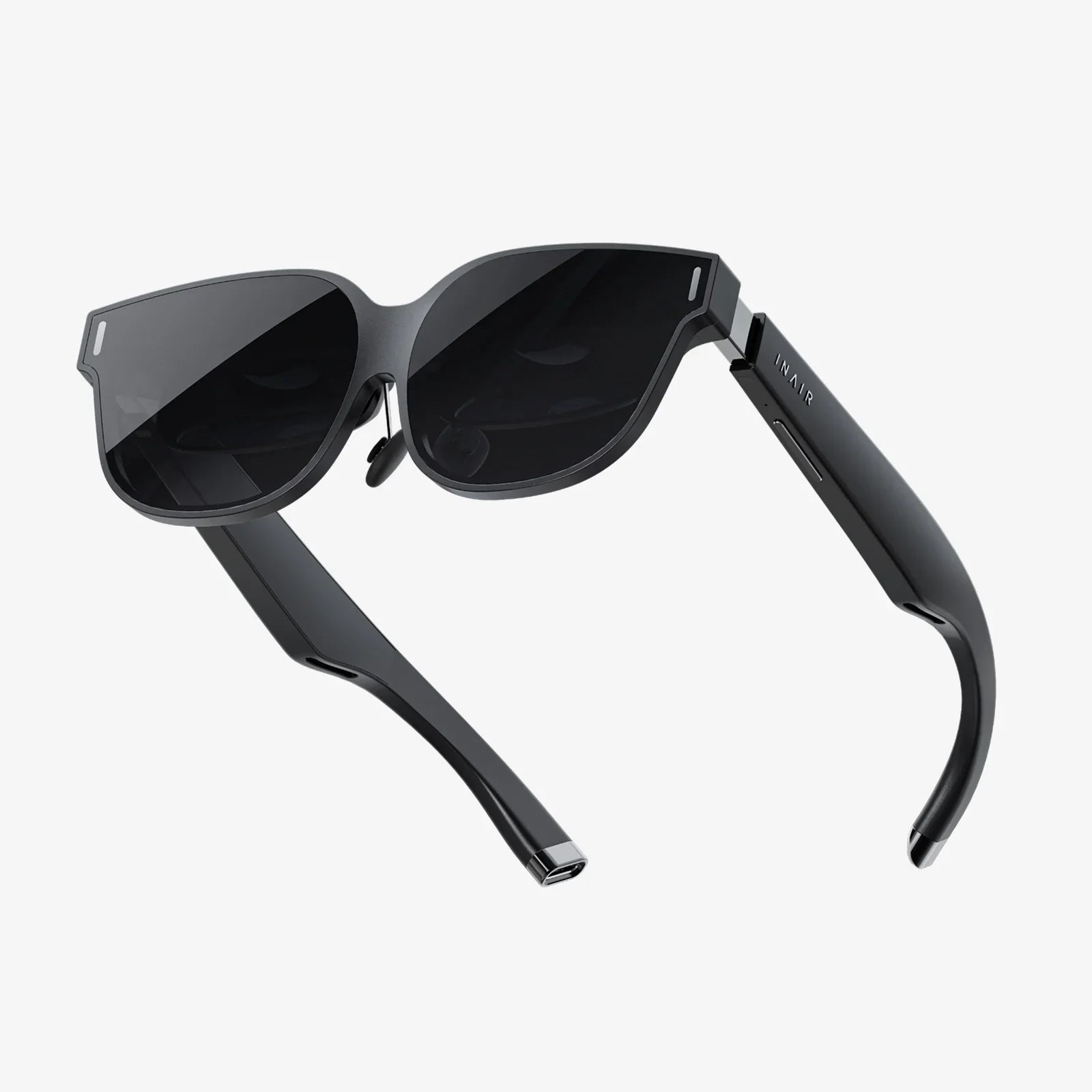
Before delving into the vast array of applications, it's crucial to understand what makes modern virtual reality goggles tick. At their core, these devices are sophisticated data-processing hubs. High-resolution displays are mounted mere centimeters from the user's eyes, typically viewed through precision lenses that warp and focus the image to fill the entire field of vision. This creates the sensation of being surrounded by the digital environment.
This visual immersion is only half the story. Advanced inertial measurement units (IMUs)—including gyroscopes, accelerometers, and magnetometers—track the user's head orientation with remarkable speed and precision. For full positional tracking, most systems use external sensors or inward-facing cameras that map the physical space, allowing the user to physically walk, crouch, and lean within the virtual world. This combination of visual and positional tracking is what sells the illusion of "presence"—the undeniable feeling of being somewhere else.
Audio is another critical component. Spatialized 3D audio ensures that sounds come from their correct location in the virtual space. A footstep behind you will sound like it's behind you, further cementing the brain's belief in the authenticity of the experience. Input is handled through handheld controllers, haptic gloves, or even computer vision that tracks hand movements, allowing users to interact with the digital environment intuitively.
Revolutionizing Healthcare and Therapy
The healthcare sector has emerged as one of the most promising and impactful fields for virtual reality goggles uses.
Surgical and Medical Training
Medical students and seasoned surgeons are using VR to practice complex procedures without risk to a patient. They can step inside a hyper-realistic simulation of human anatomy, performing virtual surgeries that respond to their every move. This allows for repeated practice, mistake-making, and skill refinement in a zero-risk environment. Furthermore, live surgeries can be streamed in 360 degrees, allowing trainees to "stand" beside the operating surgeon and observe from the best possible perspective, something impossible in a crowded operating room.
Pain Management and Physical Rehabilitation
VR is proving to be a powerful analgesic. For patients suffering from severe burn wounds, changing bandages is excruciatingly painful. By immersing these patients in a calming, icy virtual landscape like "SnowWorld," clinicians can significantly reduce their perceived pain levels, distracting the brain's pain pathways. In physical rehab, exercises for stroke victims or those recovering from orthopedic injuries can be transformed into engaging games. A patient relearning to use their arm might be tasked with virtually slicing flying fruit, turning monotonous repetition into a motivating and enjoyable activity that improves adherence and outcomes.
Exposure Therapy and Mental Health
Psychologists are leveraging VR for controlled exposure therapy. Patients dealing with phobias—such as fear of heights, flying, public speaking, or spiders—can be gradually and safely exposed to their triggers within a virtual setting. The therapist can control every parameter, ensuring the experience is challenging yet manageable, all from the safety of the office. This is also being extended to treat Post-Traumatic Stress Disorder (PTSD), allowing veterans and others to process traumatic memories in a secure and controlled therapeutic context.
Transforming Education and Corporate Training
Virtual reality goggles are turning learning from a passive activity into an active, experiential journey.
Immersive Learning
Imagine a history class where students don't just read about the pyramids of Giza but can actually explore them at scale. A biology lesson where students can "shrink" down and travel through the human bloodstream. Or a geology class where they can witness the eruption of Mount Vesuvius from the streets of Pompeii. VR makes this possible, creating unforgettable learning experiences that boost engagement and dramatically improve knowledge retention by leveraging spatial memory.
Skills and Safety Training
Across industries, VR is the ultimate training simulator. Aspiring mechanics can practice assembling and disassembling complex engines. Electricians can learn to navigate high-voltage scenarios without any danger. Retail employees can practice managing Black Friday crowds. The uses are endless. In high-risk fields like aviation, mining, and construction, employees can undergo rigorous safety training, experiencing hazardous situations like equipment malfunctions or fires in a completely safe environment. This "muscle memory" built in VR translates directly to better preparedness and quicker reaction times in the real world.
Soft Skills Development
Enterprises are using VR for leadership and communication training. Employees can be placed in challenging virtual scenarios, such as delivering difficult feedback to a direct report, negotiating with a client, or leading a meeting. These sessions can be recorded and reviewed with a coach, providing a powerful tool for self-reflection and improvement in a low-stakes setting.
Powering Design, Engineering, and Architecture
The ability to visualize designs in full scale is revolutionizing creative and technical fields.
Virtual Prototyping and Design Review
Automotive designers and engineers can create and examine full-scale 3D models of new vehicles long before a physical prototype is ever built. They can sit in the driver's seat, check sightlines, and interact with the dashboard, identifying design flaws and ergonomic issues at a fraction of the traditional cost and time. This practice extends to product design, industrial design, and more.
Architecture, Engineering, and Construction (AEC)
For architects and their clients, VR is a game-changer. Instead of trying to interpret a 2D blueprint or even a 3D model on a screen, clients can put on a headset and take a photorealistic walkthrough of their unbuilt home, office, or stadium. They can experience the space, assess the flow of light at different times of day, and request changes before construction begins, preventing costly change orders later. On construction sites, workers can visualize complex systems like electrical conduits or plumbing behind walls, improving accuracy and efficiency.
Expanding Entertainment and Social Connection
While gaming remains a flagship application, entertainment uses have expanded far beyond it.
Cinematic Experiences and Live Events
Filmmakers are creating immersive 360-degree films that place the viewer directly in the narrative, free to look around and explore the scene. VR concerts allow fans to get a front-row experience at a live performance from any location in the world, interacting with other fans' avatars in the virtual crowd. The same applies to sporting events, theater productions, and museum tours, democratizing access to cultural experiences.
Social VR and Remote Collaboration
Virtual reality goggles are building the foundation for the metaverse—a persistent network of shared virtual spaces. Platforms exist where people can meet, socialize, play games, and attend events using personalized avatars. This has profound implications for remote work. Teams distributed across the globe can meet in a virtual boardroom, brainstorm around a 3D model, or give presentations as if they were in the same physical room, fostering a much stronger sense of co-presence and collaboration than traditional video calls can offer.
Unlocking New Frontiers in Retail and Tourism
These industries use VR to bridge the gap between imagination and experience for consumers.
Virtual Try-Ons and Showrooms
Furniture retailers allow customers to place virtual couches, tables, and decor into their actual living space through their headset's cameras, ensuring a perfect fit and style match before purchasing. Fashion brands are developing virtual fitting rooms where shoppers can try on clothes with their avatar. Automotive companies offer virtual test drives and showroom experiences, customizing the car's color and interior in real-time.
Travel and Exploration
Tourism boards and travel agencies use VR to offer potential visitors breathtaking previews of destinations, hotels, and cruise ships. For those unable to travel due to physical or financial constraints, VR offers a compelling alternative to experience the wonders of the world. Furthermore, it allows for the exploration of inaccessible places, like the depths of the ocean, the surface of Mars, or historically accurate recreations of ancient cities.
The Future Horizon: What's Next?
The current wave of innovation is merely the beginning. Several emerging technologies promise to deepen immersion and expand virtual reality goggles uses even further. The integration of eye-tracking will enable new levels of social realism in avatars and revolutionary efficiency in rendering through foveated rendering. Haptic feedback suits and vests are beginning to provide tactile sensation, allowing users to "feel" virtual objects and impacts. Brain-computer interfaces, though in early stages, hint at a future where we may control virtual environments with our thoughts alone. As the technology becomes lighter, more comfortable, and more affordable, its adoption will only accelerate, seamlessly weaving virtual interactions into the fabric of our daily routines.
The true power of virtual reality goggles lies not in their ability to help us escape our world, but in their profound capacity to enhance it. They are breaking down geographical, physical, and imaginative barriers, creating a new medium for human experience that is limited only by our creativity. From saving lives and training the next generation of experts to connecting us in ways previously unimaginable, this technology is poised to become as ubiquitous and transformative as the smartphone. The virtual realm is open for business, for healing, for learning, and for play—and it's inviting you to step inside.
Share:
AR Creation: The Ultimate Guide to Building Your Own Augmented Reality Experiences
AR Capable Devices: The Invisible Revolution Reshaping Our Reality