


- by wangfred
Virtual Reality Growing: The Digital Green Revolution Reshaping Our Food Systems
- by wangfred
Imagine standing in a sun-drenched field of wheat, the golden stalks swaying gently in a virtual breeze. With a flick of your wrist, you can zoom into the cellular structure of a leaf, simulate a week of torrential rain to test soil resilience, or walk through a perfect digital clone of your farm located a thousand miles away. This is not science fiction; it is the cutting edge of modern agriculture. Virtual reality growing is rapidly emerging from the realm of theoretical concept to a practical, powerful toolset that promises to tackle some of the most pressing challenges in our global food supply chain. By merging the digital and the physical, VR is planting the seeds for a greener, more efficient, and profoundly data-driven agricultural revolution, transforming everything from how we train the next generation of farmers to how we manage precious resources on a planetary scale.
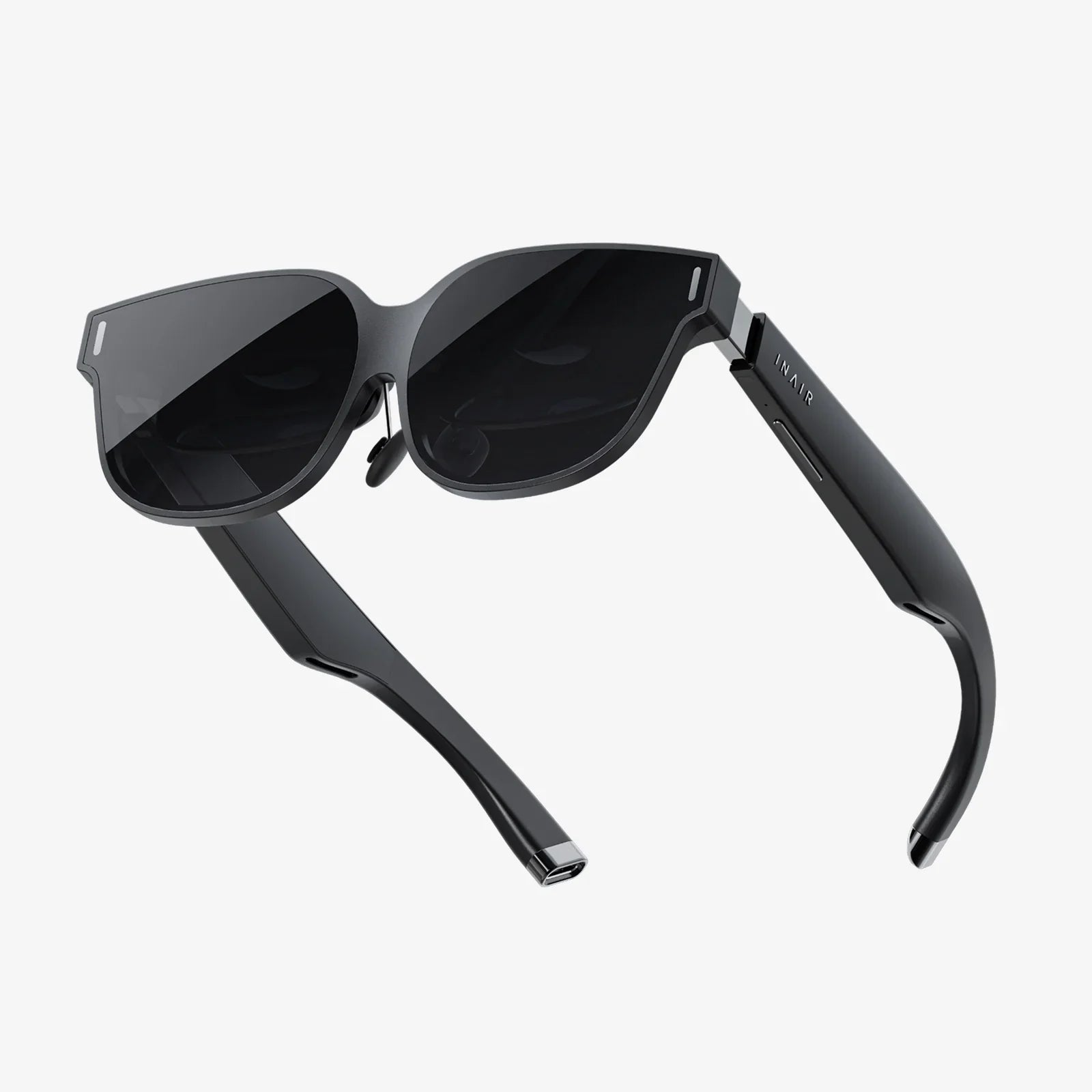
At its core, virtual reality growing is the sophisticated integration of VR technology with agricultural science and practice. It moves far beyond simple visualizations, creating immersive, interactive, and three-dimensional environments where users can engage with plant life and farm ecosystems in ways previously unimaginable. This is not about replacing the visceral, irreplaceable experience of putting hands in soil; rather, it is about augmenting human capability with superhuman data perception. The technology leverages a suite of tools: head-mounted displays for total immersion, haptic feedback gloves to simulate touch, motion tracking for navigation, and, most critically, a foundation of real-world data. This data is fed from a network of sources including satellite imagery, drone-based multispectral sensors, Internet of Things (IoT) soil moisture probes, and detailed climate models. This confluence creates a dynamic digital twin—a virtual replica of a real-world farm that updates in near real-time, allowing for unprecedented analysis and experimentation.
One of the most immediate and impactful applications of VR in agriculture is in the realm of education and skill development. For centuries, farming knowledge has been passed down through generations by doing, a process that is time-consuming, resource-intensive, and vulnerable to the trial-and-error of each season. Virtual reality shatters these old paradigms.
Aspiring agronomists and seasoned farmers alike can now step into a hyper-realistic training simulator. They can practice operating complex, expensive machinery like combines or automated tractors in a risk-free environment, preventing costly mistakes and damage before they ever touch physical equipment. They can learn to identify a vast array of plant diseases, nutrient deficiencies, and pest infestations by inspecting photorealistic 3D models, zooming in to see the subtle differences between fungal spots and bacterial blight. Educational institutions are building virtual campuses where students from across the globe can collaboratively explore a shared virtual farm, conducting experiments on crop rotation or irrigation strategies that would take months or years to observe in reality. This democratizes high-quality agricultural education, making it accessible to anyone with a headset, regardless of their geographic or socioeconomic background.
The concept of the digital twin is the engine room of the virtual reality growing revolution. By creating a precise virtual copy of a specific farm—complete with its exact topography, soil composition, historical weather patterns, and current crop status—farmers and scientists gain a powerful predictive crystal ball. The true power of this twin lies in its capacity for "what-if" analysis. A farmer concerned about an upcoming drought forecast can run simulations:
These scenarios can be played out in minutes within the VR space, providing data-driven answers without risking a single real-world crop. This allows for incredibly precise resource management, minimizing water, fertilizer, and pesticide use by applying them only where and when the digital twin predicts they will be most effective. This precision directly translates to enhanced sustainability, reducing runoff into waterways, lowering the carbon footprint of farm operations, and promoting healthier soil biomes. The digital twin becomes a perpetual learning system, constantly refined with new data, making each season smarter than the last.
Virtual reality provides plant biologists and researchers with a superpower: the ability to visualize and interact with processes that are either too slow, too fast, too large, or too small to observe naturally. Imagine a researcher studying root architecture. In the real world, this requires destructive digging. In VR, they can don a headset and walk through a life-sized, data-generated model of a root system growing beneath the soil, observing how it seeks nutrients and responds to different compaction levels. They can "fly" inside the vascular system of a plant to understand nutrient transport or speed up time to watch a forest of genetically modified trees grow over a simulated decade to assess their long-term viability. This immersive data visualization accelerates discovery, enabling breakthroughs in genetics, phenotyping, and sustainable cultivation practices that would be painstakingly slow using traditional methods. It fosters global collaboration, as scientists from different continents can meet inside the same virtual plant model to conduct research together.
Despite its immense potential, the widespread adoption of virtual reality growing faces significant hurdles. The first is the barrier of cost and accessibility. High-end VR systems with the computing power and graphical fidelity needed for complex agricultural simulations represent a substantial investment, potentially putting them out of reach for smallholder farmers who could benefit the most. There is also a pronounced digital literacy gap that must be bridged; the technology is only as good as the farmer's ability to interpret its data and trust its recommendations. Skepticism of relying on a digital representation over generations of ingrained, hands-on knowledge is a real and understandable human factor.
Furthermore, the entire system is dependent on the quality and quantity of data. Inaccurate sensor readings, poor internet connectivity in rural areas hindering data transfer, or gaps in information can lead to flawed simulations and poor advice, a scenario often termed "garbage in, garbage out." Finally, the rapid evolution of the technology itself presents a challenge, with hardware and software standards still in flux, creating concerns about interoperability and the long-term viability of today's VR solutions.
The trajectory of virtual reality growing points toward an even more integrated and intelligent future. We are moving towards the development of fully autonomous "phygital" farms, where decisions made and tested in the digital twin are automatically executed in the physical world by robotics and automated systems. The integration of Artificial Intelligence and Machine Learning will evolve the digital twin from a reactive model into a proactive, predictive partner capable of recommending optimizations and alerting to risks before they are even perceptible to the human eye.
We can also anticipate the rise of a new form of connectivity: the "Metaverse of Farming." This would be a interconnected network of countless digital twins, creating a global agricultural knowledge graph. A farmer in Kenya could learn from the simulated experiences of a farmer in Kansas dealing with a similar soil salinity issue. This collective intelligence, built from millions of data points and simulations, would become an invaluable global resource for combating climate change and ensuring food security. Consumer applications will also blossom, allowing individuals to virtually visit the farms where their food is grown, fostering transparency and strengthening the connection between producer and plate.
The green fields of the future will be rendered in polygons as well as planted in soil. Virtual reality growing is not a replacement for the ancient art of cultivation, but its ultimate augmentation. It offers a pathway to feed a growing population on a warming planet by empowering us with deeper wisdom, foresight, and efficiency. The next time you bite into a piece of fruit, consider that its journey to your plate may have begun not just in a field under the sun, but in a boundless digital landscape where every variable can be controlled, every outcome predicted, and every harvest optimized for a better world.