


- by wangfred
Virtual Reality Headset 2025: The Year the Digital and Physical Worlds Truly Merged
- by wangfred
Remember the first time you strapped on a virtual reality headset? The bulky frame, the screen-door effect, the nagging sense of being tethered to a powerful machine, both physically and metaphorically. It was a glimpse into a future both thrilling and nascent. Now, fast forward to 2025. That future isn't just arriving; it has kicked down the door, unpacked its bags, and is redecorating your living room with digital artifacts. The virtual reality headset of 2025 is no longer a peripheral; it is a portal. It’s a sleek, self-contained gateway that is fundamentally altering the boundaries between the digital and the physical, between work and play, and between how we see the world and how we interact with it. This isn't an incremental upgrade; it's a paradigm shift, and it’s happening right now.
If the first generation of consumer VR was about establishing a presence, the 2025 iteration is about perfecting it. The quest for visual fidelity has reached a stunning crescendo. The once-noticeable "screen-door effect" is now a relic of the past, banished by the widespread adoption of micro-OLED and advanced mini-LED displays. We're talking about resolutions that push beyond 8K per eye, creating a pixel density so high that the human eye cannot distinguish individual pixels. The result is an image so crisp, so lifelike, that the transition from your physical environment to the virtual one is often seamless.
But raw resolution is only part of the story. The real magic lies in the sophisticated technology working behind the scenes. Foveated rendering, a technique that was once experimental, is now standard and incredibly refined. High-resolution eye-tracking sensors monitor your pupils with microscopic precision, determining your exact point of gaze. The headset's processing unit then renders the area you are directly looking at in ultra-sharp detail, while subtly reducing the rendering load on your peripheral vision. This massive computational efficiency means breathtaking graphical fidelity is achieved without requiring the power of a supercomputer, all while significantly extending battery life in standalone units.
Furthermore, High Dynamic Range (HDR) has become a cornerstone of the visual experience. Virtual worlds are no longer flat or uniformly lit. They boast the same vibrant color gamuts and incredible contrast ratios as the best physical televisions. You'll squint as you step out of a dark cave into a bright, sun-drenched alien landscape, and feel the awe of a million stars in a truly black, virtual night sky. This combination of resolution, foveated rendering, and HDR doesn't just display a world; it convinces your brain that you are in it.
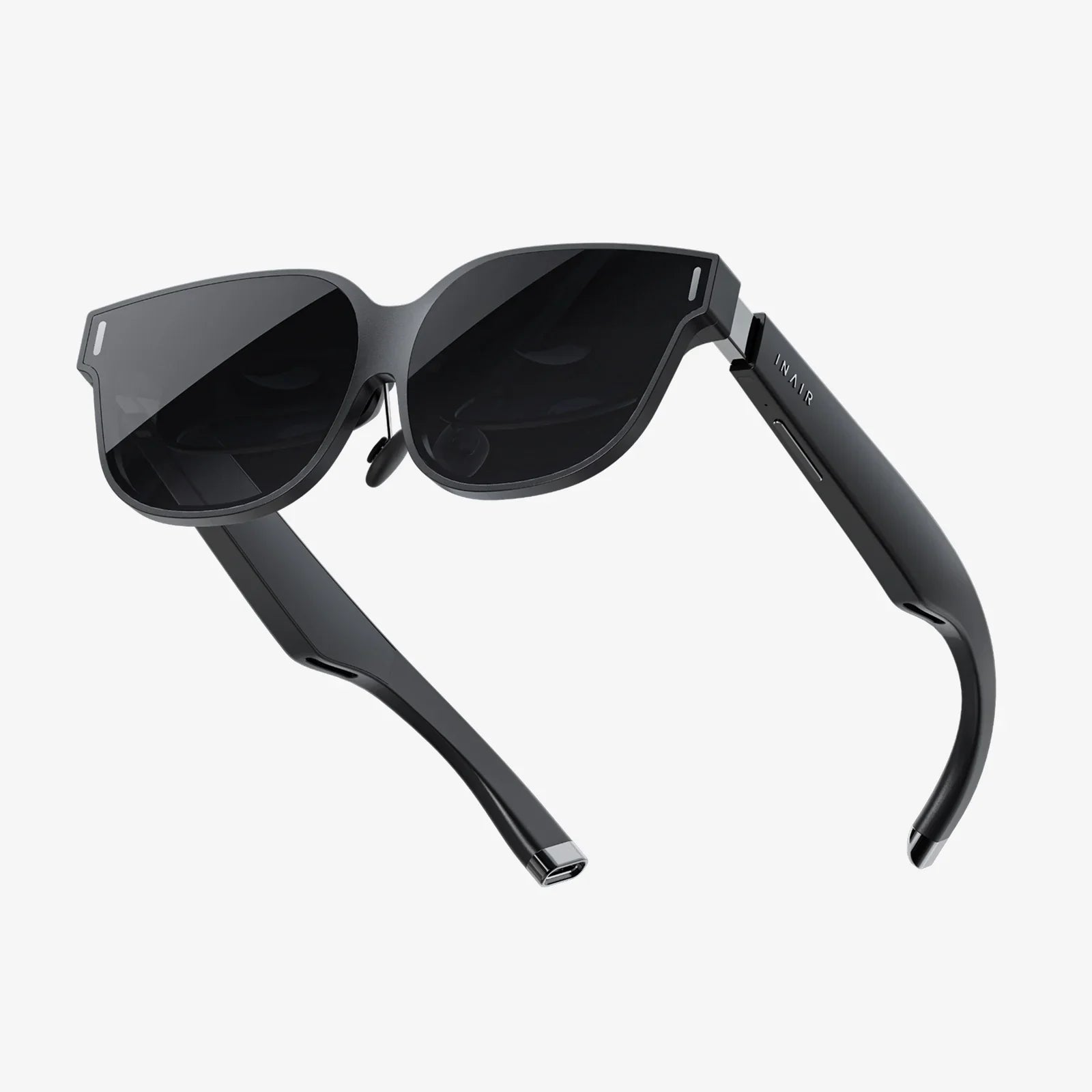
The iconic image of a VR user—a person with a large black box strapped to their face—is officially obsolete. The defining trend of the 2025 headset is a dramatic reduction in size and weight. Through advanced pancake lens designs and more compact, efficient component stacking, manufacturers have achieved what was once thought impossible: a full-featured VR/AR headset that resembles a pair of slightly oversized ski goggles.
This shift is monumental. The barrier to entry, both physical and social, has been demolished. The discomfort of front-heavy devices is gone, replaced by balanced, ergonomic designs that can be worn for hours. This comfort is crucial for the next phase of adoption: all-day computing. The 2025 headset isn't just for gaming; it's for working, socializing, and creating. You can comfortably wear it on your morning commute, use it for 3D modeling at your desk, and then join friends in a virtual concert in the evening without a hint of fatigue.
Materials have also evolved. We've moved past cheap plastics into lightweight yet durable polymers, composites, and even magnesium alloys. Interchangeable facial interfaces made from memory foam and anti-microbial materials ensure hygiene and a custom fit for every user. The headset of 2025 is a piece of premium personal technology, designed for longevity and daily use.
While hand-held controllers are still prevalent and have themselves become incredibly sophisticated with advanced haptics and individual finger tracking, the most exciting development in user interaction is the emergence of non-invasive neural interfaces. Integrated seamlessly into the headstrap of many 2025 models are a series of electroencephalogram (EEG) sensors.
These sensors are not mind-readers in the science-fiction sense, but they are incredibly adept at detecting neurological signals and intent. This allows for a new layer of intuitive control. A subtle eyebrow raise can select a menu option. A mental command to "scroll down" is executed instantly. Imagine playing a strategy game and mentally commanding your units to move, all while your hands are free to physically interact with the virtual battle map in front of you. This technology is in its early stages, but its inclusion marks the beginning of a fundamental shift from input devices we hold to interfaces that understand us.
This, combined with hyper-accurate inside-out tracking that requires no external base stations, means the virtual world responds to your every movement and intention with zero latency. The controller is slowly fading into the background, making way for a more natural, embodied interaction where your body and mind are the primary inputs.
The old debate of VR versus AR is over. The 2025 headset is, by default, a mixed reality (MR) device. High-resolution, full-color video passthrough is the new standard. Instead of simple cameras showing a grainy, black-and-white view of your room, you now see your real environment with stunning clarity, seamlessly blended with digital content.
This is powered by a suite of sensors that are constantly mapping your environment. LiDAR scanners, depth sensors, and high-fidelity cameras work in concert to create a real-time, 3D mesh of your surroundings. The headset understands the geometry of your room—the floor, the walls, the furniture—down to the millimeter. This allows digital objects to behave like physical ones. You can place a virtual monitor on your real desk, and it will stay there, locked in place, even if you walk away and come back. A digital pet can jump onto your real sofa and hide underneath it.
This capability has unlocked the concept of the spatial internet. Information and experiences are no longer confined to the flat rectangles of our phone and computer screens. They are anchored to places and objects in the real world. Walking through a city, you could see historical facts floating next to a landmark, left by other users. Your home could be filled with sticky notes, family photos, and dashboards that exist only for you in your MR space. The virtual reality headset of 2025 is the key that unlocks this persistent digital layer over our physical reality.
Hardware is nothing without software, and the ecosystem for these advanced headsets has exploded far beyond gaming.
The concept of a "video call" has been rendered archaic. In 2025, business meetings happen in shared virtual spaces. You and your colleagues, represented by photorealistic avatars driven by your real-time facial expressions and eye movements, can gather around a 3D model of a new product, taking it apart, modifying it, and annotating it in real-time as if you were all in the same room. The sense of shared presence is profound, making remote work more connected and collaborative than ever before.
Medical students are no longer limited to textbooks and cadavers. They can perform intricate virtual surgeries, with haptic feedback simulating the resistance of tissue. Mechanics can train on incredibly detailed virtual engines. History classes can become field trips, with students walking through ancient Rome or standing on the surface of Mars. This experiential learning is improving retention and understanding at an unprecedented rate.
Social media is evolving from a 2D feed of content into a 3D world of shared experiences. Instead of "scrolling," you "teleport" to where your friends are. You might meet up at a virtual cinema to watch a movie together on a giant screen, attend a live concert with thousands of other fans from across the globe, or simply hang out in a beautifully rendered virtual home, playing games and chatting as if you were physically together. This is forging deeper and more meaningful digital connections.
This technological utopia is not without its significant challenges. The very power of these devices raises critical questions that society is only beginning to grapple with.
Privacy and Data Security: A headset that maps your home and tracks your eye movements, facial expressions, and even neural signals is collecting an unimaginable amount of intimate data. Who owns this data? How is it stored and used? Robust, transparent frameworks are desperately needed to prevent misuse.
The Digital Divide: As these devices become central to work, education, and social life, the cost of entry could create a new societal schism between those who can afford this new reality and those who cannot.
Mental Health and Reality Blurring: When a virtual world becomes more appealing, comfortable, or rewarding than the physical one, what are the psychological impacts? Establishing a healthy relationship with this powerful technology will be a personal and societal imperative.
These are not reasons to halt progress, but they are compelling reasons to guide it with careful thought, ethical consideration, and inclusive policies.
The hum of the powerful processor is now silent, the weight on your nose is gone, and the world it reveals is indistinguishable from our own. The virtual reality headset of 2025 is no longer an escape; it’s an enhancement, a tool, and a companion. It’s inviting you to redesign your workspace with infinite screens, to learn by doing in impossible classrooms, and to share laughter with a friend who lives continents away as if they were sitting on your couch. The door to this new layer of existence is open, and the only question that remains is what you will create when you step through.
Share:
Best Device for Wireless Streaming: The Ultimate Guide to Cutting the Cord in 2024
Best Device for Wireless Streaming: The Ultimate Guide to Cutting the Cord in 2024