


- by wangfred
Virtual Reality Headset Description: Your Portal to Digital Dimensions
- by wangfred
Imagine slipping on a device and instantly being transported to the peak of Mount Everest, the front row of a concert happening across the globe, or the bridge of a starship hurtling through the cosmos. This is the promise, the magic, and the sheer technological marvel of the modern virtual reality headset. It’s more than just a piece of hardware; it’s a passport to impossible experiences, a tool for profound learning, and a window into worlds limited only by imagination. The journey begins with understanding the intricate machine that makes it all possible.
At its core, a virtual reality headset is a wearable computing device that generates a fully immersive, three-dimensional digital environment for the user. Unlike traditional screens that you observe from a distance, a VR headset places you inside the experience, effectively replacing your natural world with a simulated one. The primary goal is to trick the human brain into accepting the digital realm as reality, a feat achieved through a sophisticated combination of hardware and software working in perfect harmony.
The magic of immersion is woven from several critical physical components, each playing a vital role in constructing the virtual world.
The most crucial element is the display. Located mere centimeters from the user's eyes, high-resolution screens are housed within the headset. Typically, one screen is used per eye (or a single screen partitioned for each eye) to create a stereoscopic 3D effect, which is fundamental for depth perception. The quality of these displays is paramount; higher resolutions and faster refresh rates are directly responsible for reducing the "screen-door effect" (where users can perceive the gaps between pixels) and for creating a smooth, believable visual experience that minimizes the motion sickness sometimes associated with early VR technology.
Positioned between the displays and the user's eyes are specialized lenses. These are not simple magnifying glasses; they are precision optical elements designed to focus and reshape the flat image from the screens into a wide-field, panoramic view. They allow the eyes to relax and focus as they would in the real world, rather than straining to focus on a screen that is physically very close. The ability to adjust the distance between these lenses (interpupillary distance or IPD) is a key feature for ensuring a clear and comfortable image for a wide range of users.
For virtual reality to feel authentic, the digital world must respond to your movements in real-time. This is accomplished through a complex tracking system, often involving a combination of internal and external sensors.
Rotational Tracking: This is handled by an Inertial Measurement Unit (IMU), which includes a gyroscope, accelerometer, and magnetometer. This trio tracks the orientation of your head—whether you're looking up, down, or turning side to side—with incredible speed and precision.
Positional Tracking: Knowing which way you're facing isn't enough; the system must also know where you are in physical space. This can be achieved through external sensors or cameras placed in the room that track lights or markers on the headset (outside-in tracking). Alternatively, modern systems often use cameras mounted on the headset itself to scan the surrounding environment and track its own position relative to the room (inside-out tracking), eliminating the need for external hardware and allowing for greater freedom of movement.
Immersion is broken the moment sound feels like it's coming from generic headphones. Advanced spatial audio, or 3D audio, is a critical but often overlooked component of a VR headset's description. This technology processes sound so that it seems to emanate from specific points in the virtual environment. If an explosion happens behind you and to your left, you will hear it from that exact direction. This auditory cue is incredibly powerful for selling the illusion of presence, making the experience terrifyingly real in a horror game or tactically vital in a training simulation.
While not technically part of the headset itself, the accompanying motion controllers are an essential extension of the system. These are also tracked in space, allowing your physical hand movements to be replicated by virtual hands, tools, or weapons within the simulation. They feature buttons, triggers, and haptic feedback mechanisms to enable interaction with the virtual world, from picking up objects to firing a weapon and feeling a subtle vibration.
A technical virtual reality headset description only tells half the story. The true measure of its success lies in its interaction with the human user.
The ultimate goal of all this technology is to achieve "presence"—the undeniable, subconscious feeling of being in the virtual space. It’s a psychological state where the brain's sensory inputs are so consistent and convincing that it temporarily suspends disbelief. This is achieved through a combination of low-latency (minimal delay between your movement and the screen's update), high fidelity, accurate tracking, and convincing audio. When presence is achieved, the experience is transformative.
A headset can have the most advanced technology in the world, but if it's uncomfortable to wear, it fails. Designers spend immense effort on weight distribution, padding, and adjustable straps to ensure the device can be worn for extended periods without strain. Furthermore, accommodating users who wear corrective lenses is often handled through custom inserts or enough space within the headset to wear glasses. Proper ventilation is also crucial to prevent the lenses from fogging up during use.
The applications for this technology extend far beyond gaming, though that remains a massive driver of innovation.
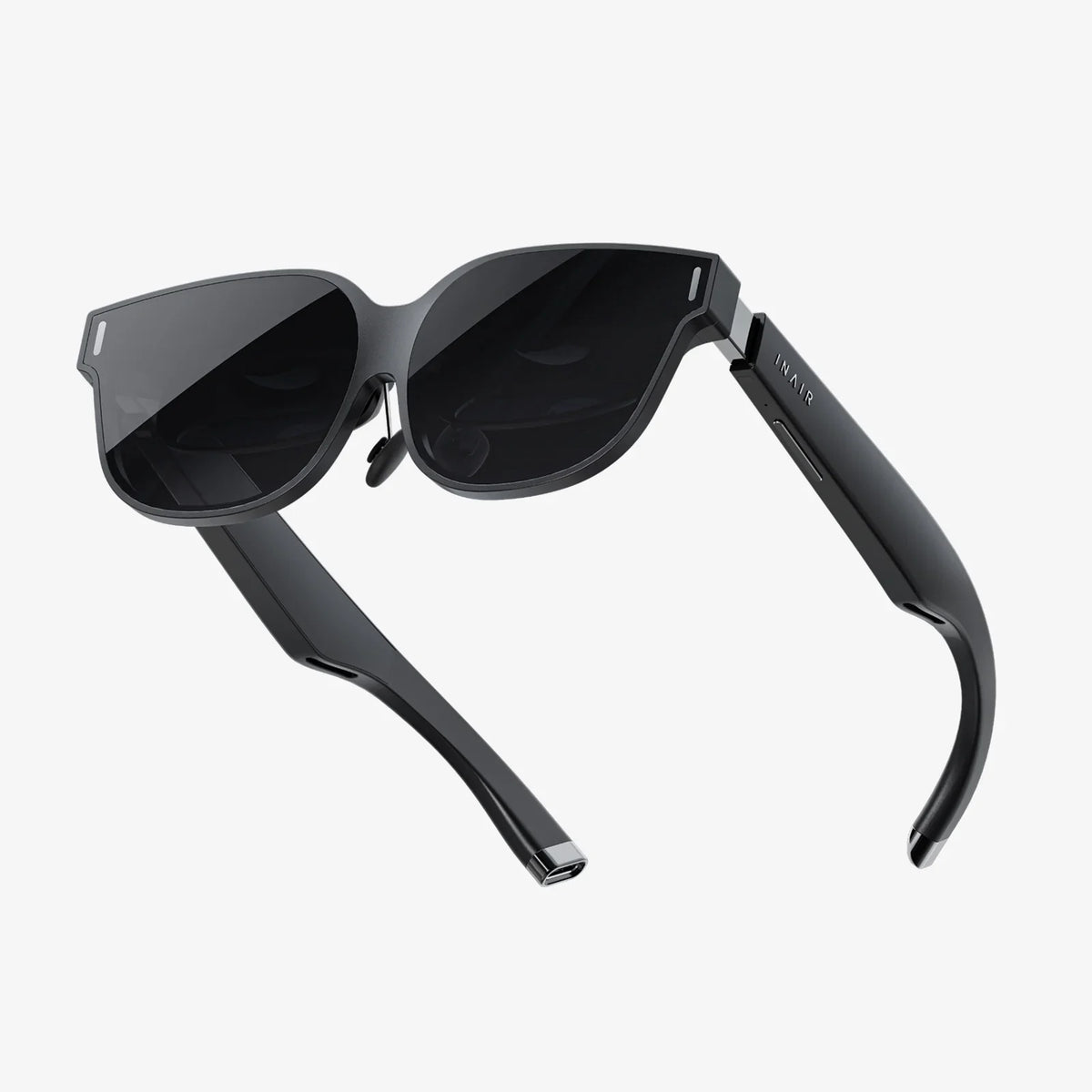
The current generation of headsets is impressive, but the technology is rapidly evolving. The future points towards several key trends: increased resolution and field of view for even more realism, the development of advanced haptic suits and gloves for full-body immersion, eye-tracking technology for more intuitive interaction and more efficient rendering, and the eventual miniaturization towards sleek, lightweight glasses that could one day replace our smartphones as the primary gateway to computing and digital interaction.
The clunky headset of today is merely the progenitor of a technology that will become increasingly integrated into the fabric of our daily lives. It represents a fundamental shift in how we interact with information and with each other. It’s not just about seeing a new world; it’s about feeling, hearing, and believing you are there. This device, this gateway, is quietly revolutionizing everything from how we play to how we heal, learn, and connect, proving that the most significant journeys don't require a physical ticket—just the courage to put on the headset and step through.