


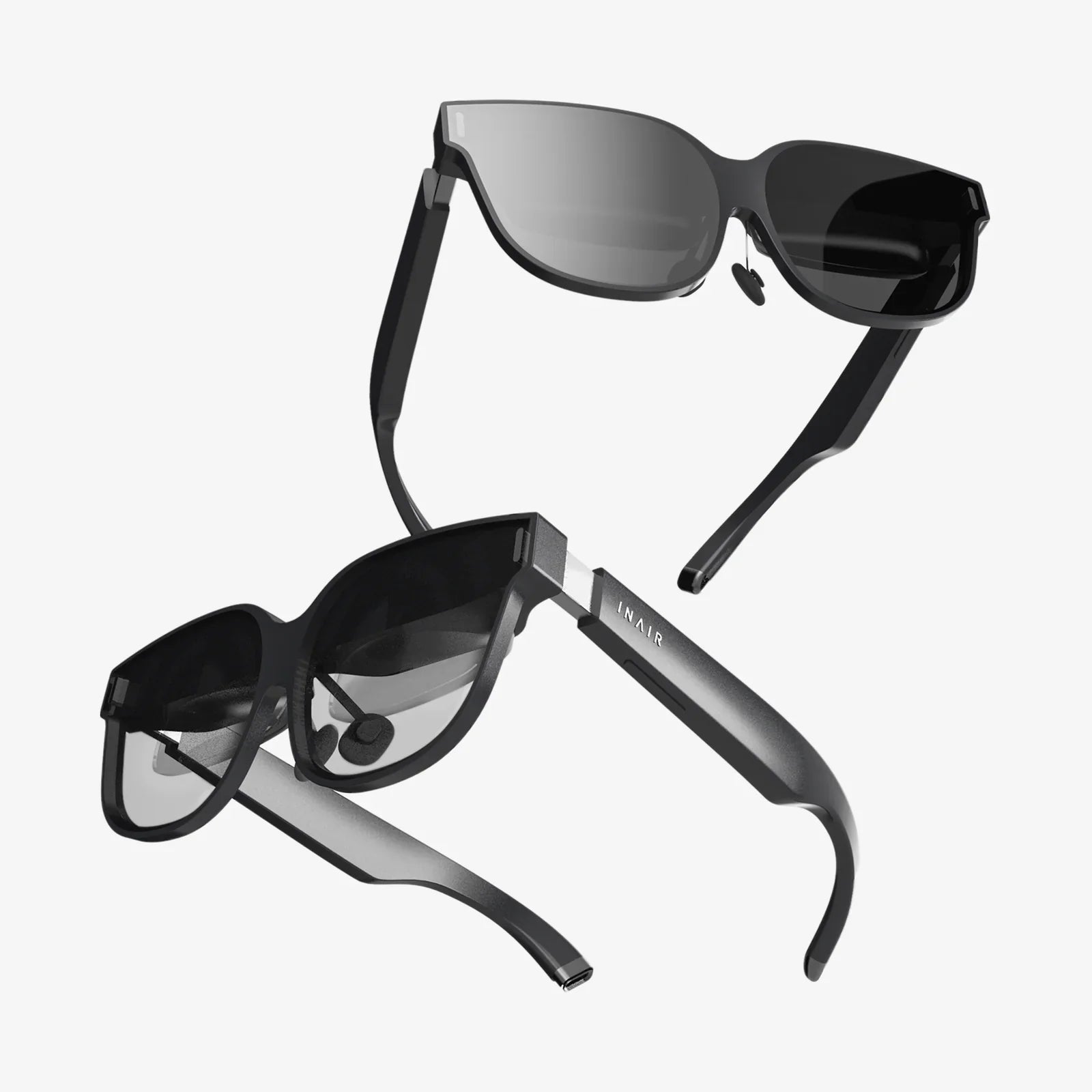
- by wangfred
Virtual Reality Headset Gear VR: The Unsung Pioneer of Mainstream Immersion
- by wangfred
Imagine a world where stepping into a virtual universe was as simple as sliding a phone into a headset. This wasn't a distant sci-fi dream; it was the reality offered by a pivotal piece of technology that democratized virtual reality for millions. The journey of this specific headset is a story of accessibility, innovation, and the quiet revolution that set the stage for everything that followed, proving that the biggest leaps sometimes come in the most unassuming packages.
Before this headset's arrival, the virtual reality landscape was bifurcated. On one end, there were high-powered, high-cost PC-tethered systems offering incredible fidelity but requiring a significant investment in both money and space. On the other, there were rudimentary cardboard viewers that offered a novelty experience but lacked any real software or hardware integration. A massive gap existed in the middle—a market yearning for a quality, accessible, and user-friendly entry into VR.
The concept was deceptively simple yet brilliant: leverage the powerful computer that millions already owned—their smartphone. By utilizing the phone's high-resolution display, sophisticated gyroscope, and powerful processor, a headset could be created that was both affordable and capable. This approach eliminated the need for expensive external sensors or a bulky desktop computer, untethering the user both physically and financially.
The development was a collaboration between a tech giant and a renowned hardware manufacturer, a partnership aimed at creating a reference design for modern mobile VR. The goal wasn't just to make a product; it was to create a platform, a standard upon which a new ecosystem could be built. This headset wasn't the first mobile viewer, but it was the first to be backed by a major platform, complete with a dedicated application store, a structured content library, and a rigorous compatibility standard that ensured a smooth, high-quality user experience.
The design philosophy was centered on comfort and ease of use. Unlike its bulkier, tethered competitors, this headset was remarkably lightweight. It utilized a soft, flexible strap system that was easy to adjust and comfortable for extended wear. The front-facing unit was compact, housing the crucial components that transformed the phone into a portal for virtual worlds.
The core interaction mechanism was its integrated trackpad. Positioned on the right side of the headset, this touch-sensitive surface allowed for intuitive navigation. A single tap would select, a swipe would scroll, and holding would act as a 'back' function. This eliminated the immediate need for separate controllers, keeping the initial user experience simple and contained. It also featured a back button for system-level navigation, providing a consistent way to exit applications.
Perhaps one of its most critical hardware innovations was the precise mechanical linkage that connected to the phone's micro-USB port. This was not just for charging; it was the primary data connection. This direct physical link provided a low-latency, high-bandwidth connection that was far superior to a wireless Bluetooth link, ensuring that head-tracking data was communicated to the phone instantly and accurately. This was the secret sauce that prevented the nausea-inducing lag that had plagued earlier mobile VR attempts. The headset's high-quality lenses and adjustable focus dial ensured a clear and immersive picture for a wide range of users, accommodating different eyesights without the need for additional accessories.
Hardware is nothing without software. Upon inserting a compatible phone, users were prompted to download the dedicated platform application. This app became the central hub for the entire experience. It was the gateway to the store, the library for downloaded content, and the home environment from which all adventures began.
The platform's store was meticulously curated. Unlike open app stores flooded with low-quality experiences, this store featured content that met specific performance and comfort standards. This curation was vital for a nascent medium, ensuring that new users' first forays into VR were positive and compelling. The content library was diverse, featuring:
The software was optimized to reduce latency to an absolute minimum. The system used a technique called "Asynchronous Timewarp," which effectively smoothed out any frame rate hiccups by warping the rendered image just before it was displayed, based on the latest head position data. This technical marvel was crucial in maintaining comfort and preventing the motion sickness that had been a significant barrier to VR adoption.
The headset's impact cannot be overstated. Its accessible price point, especially when bundled with new phones or offered as a promotional item, made it the first VR headset to truly achieve mainstream penetration. It wasn't a niche product for hardcore gamers and tech enthusiasts; it was a consumer electronics product that found its way into living rooms around the world.
It fundamentally changed the public perception of virtual reality. For many, it was their first-ever VR experience. It demonstrated that VR could be comfortable, fun, and, most importantly, normal. It moved the concept of VR from the realm of fantasy and high-end simulation into a tangible, living-room-ready reality. This widespread adoption created a massive user base that developers could finally target, spurring a wave of investment and creativity in mobile VR content creation.
Furthermore, it established a crucial business model. By being a platform, it generated revenue through software sales, creating a sustainable ecosystem. It proved that there was a viable market for VR software, encouraging bigger studios and independent developers alike to invest time and resources into building for the medium. It became the de facto standard for mobile VR, setting the benchmark for performance, comfort, and content quality that all subsequent competitors would be measured against.
The success of the initial model spurred innovation. A subsequent consumer version was released, refining the design with a darker exterior to reduce light leakage and a wider compatibility with phone models. The most significant evolution came with the release of a dedicated motion controller. This was a game-changer.
The controller was itself a marvel of engineering. It was an all-in-one unit with its own gyroscope and accelerometer for tracking rotation, a trigger button, and the same touchpad found on the headset. It was lightweight, ergonomic, and completely wireless, communicating via Bluetooth. This controller dramatically expanded the possibilities for interaction. Instead of just looking and tapping, users could now point, shoot, swing, draw, and manipulate the virtual world with their hands. It reinvigorated the platform, making existing experiences more engaging and enabling entirely new genres of games and applications.
However, the relentless pace of technology eventually led to its sunset. The tech industry's focus began to shift toward standalone VR headsets—devices with all the necessary computing power, sensors, and displays built into a single wireless unit. These new devices offered greater freedom and even easier setup, representing the next logical step in the evolution of accessible VR. While the platform's active development eventually ceased, its servers and storefront remained operational for years, a testament to its dedicated user base and the enduring quality of its curated library.
To dismiss this headset as obsolete is to misunderstand its historical role. Its legacy is woven into the fabric of every modern VR and AR device. It was the proving ground for mobile VR concepts that are now considered standard. It demonstrated the critical importance of low-latency tracking and software-level tricks like Timewarp to maintain user comfort—principles that are fundamental to all VR systems today.
It educated an entire generation of consumers and developers about what virtual reality could be. It created a market, established user expectations, and provided a blueprint for how to build a successful, curated content ecosystem. The millions of units sold were millions of introductions to a new digital frontier. Many of the developers who cut their teeth creating experiences for this platform are now leading teams working on the cutting-edge standalone and tethered systems of today.
It stands as a monument to a specific moment in time—when virtual reality transitioned from a promising prototype to a commercial, cultural phenomenon. It was the right product with the right approach at the right time, a catalyst that accelerated the entire industry by half a decade. It proved that the path to the future of immersive computing wasn't just through raw power, but through clever design, strategic partnerships, and an unwavering focus on the user experience.
So the next time you effortlessly don a wireless headset and lose yourself in a virtual world, remember the humble pioneer that made it all feel so simple. It wasn't just a piece of plastic and glass; it was a key that unlocked a door for millions, a quiet revolution that began with the simple act of sliding a phone into a headset and daring to look around.
Share:
What Is The Metaverse Virtual Reality - A Deep Dive Into The Next Digital Frontier
Best Virtual Reality Hardware - A Deep Dive into the Ultimate Immersive Experience