


- by wangfred
Virtual Reality Headsets Haptic Suit: The Dawn of True Immersion
- by wangfred
Imagine a world where the line between the digital and the physical not only blurs but vanishes entirely. A world where you can feel the coarse bark of an alien tree, the gentle pressure of a virtual hand in yours, or the adrenaline-pumping recoil of a weapon that exists only in code. This is not the distant future; it is the precipice upon which we stand, ushered in by the powerful convergence of two transformative technologies: the virtual reality headset and the haptic suit. This partnership is moving beyond simple visual immersion to create a holistic, full-body experience that promises to revolutionize everything from entertainment and social connection to medicine and remote work.
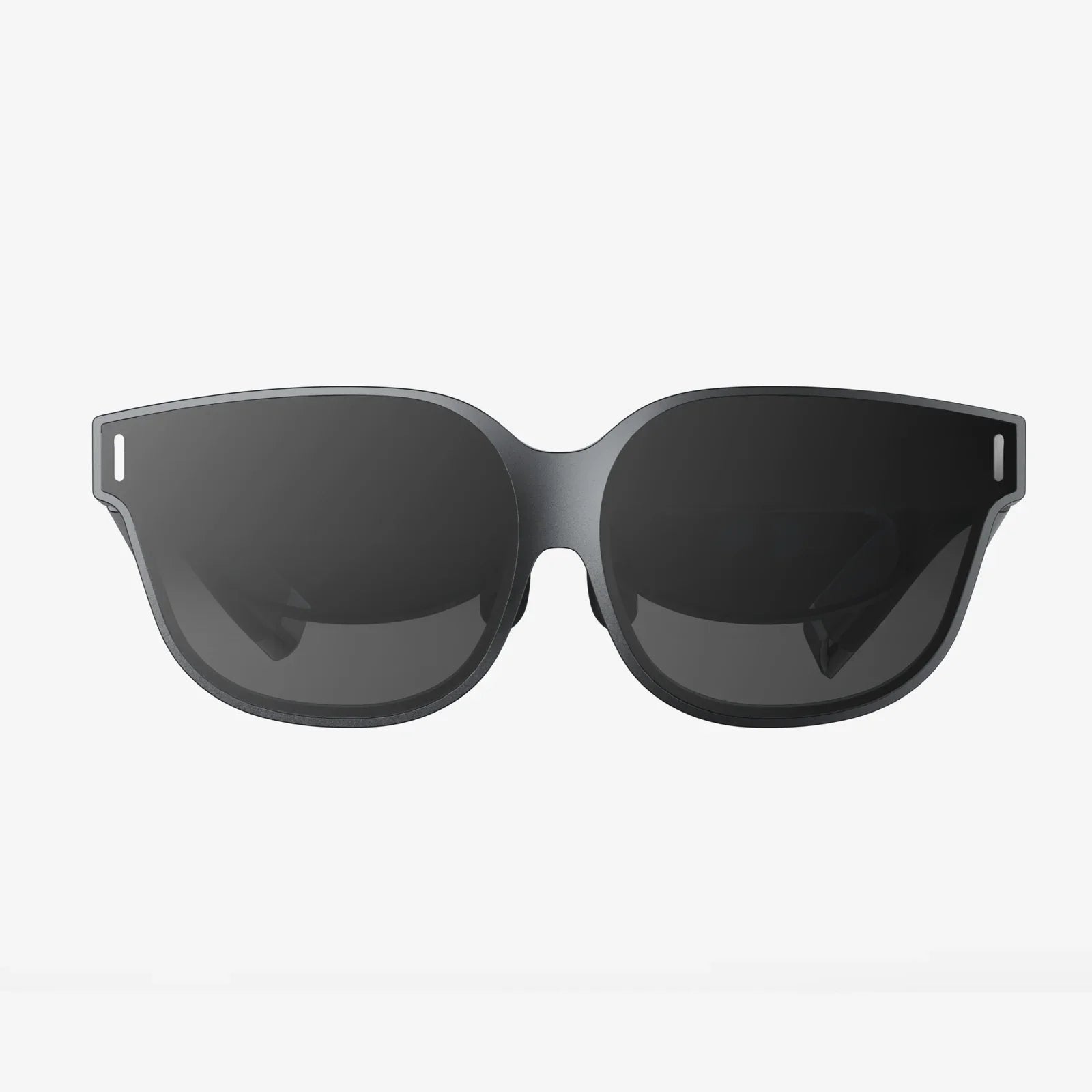
For years, the journey into virtual realms has been primarily a visual and auditory one. The modern virtual reality headset is a marvel of engineering, a compact window into infinite worlds. High-resolution displays, often exceeding 4K clarity, are positioned mere centimeters from the user's eyes, filling their entire field of view. Sophisticated lens systems warp and focus the image, creating a convincing sense of depth and scale. Whether you're staring up at a towering digital giant or examining a tiny, intricate artifact, the headset sells the illusion of space and dimension.
This visual fidelity is complemented by advanced auditory systems. Spatial audio technology, often integrated directly into the headset's straps, uses complex algorithms to simulate how sound waves interact with the human head and ears. This allows for precise 3D audio positioning; you can hear the faint whisper of an ally behind you, the roar of a waterfall to your left, or the subtle echo of your own footsteps in a vast, empty hall. This auditory layer is crucial for selling the fantasy, making the environment feel alive and consistent. Yet, for all their sophistication, headsets alone have always been missing a critical piece of the immersion puzzle: the sense of touch.
This is where the haptic suit enters the stage, not as a peripheral, but as an equal partner in the quest for true presence. If the VR headset is the portal for your eyes and ears, the haptic suit is the conduit for your entire body. These form-fitting garments are embedded with a network of actuators, sensors, and sometimes even temperature control modules, designed to translate digital events into physical sensations.
The technology powering these suits is diverse and rapidly evolving. The most common method involves eccentric rotating mass (ERM) motors and linear resonant actuators (LRAs)—the same basic technology that creates vibrations in a mobile phone, but far more precise and powerful. These can be strategically placed across the torso, arms, and legs to provide localized feedback. A more advanced technology, electro-tactile stimulation, uses small electrodes to deliver gentle electrical impulses to the skin, capable of simulating a wider range of textures, from a light tap to a sharp prick. The cutting edge involves pneumatic systems and shape-memory alloys that can create pressure, constriction, and even the sensation of being touched by a solid object.
A haptic suit does not operate in a vacuum. It is in constant, high-speed communication with the VR headset and the application running on the computer or console. Together, they form a closed loop of perception: the software generates a virtual event (e.g., a raindrop hitting the user's shoulder), sends a specific command to the suit, which then actuates the corresponding motor on the shoulder, completing the sensory feedback loop in near-instantaneous time. This synergy is what transforms a cool visual trick into an undeniable physical experience.
The true magic unfolds when the visual grandeur of the headset is married to the tactile precision of the suit. This combination creates a symphony of sensation that is far greater than the sum of its parts.
While high-end gaming is the most obvious and exciting application for many, the implications of VR headsets paired with haptic suits extend into nearly every facet of modern life.
The medical field stands to gain immensely. Surgeons can practice complex procedures in a risk-free virtual environment, feeling the subtle resistance of different virtual tissues. Physical therapists can guide patients through rehabilitation exercises, with the haptic suit providing corrective feedback on form and posture. For patients with phantom limb pain, this technology can be used to create a visual and tactile representation of the missing limb, a powerful tool for mirror therapy that can provide real relief.
Imagine attending a virtual meeting where a handshake feels like a handshake. Architects and engineers could collaboratively manipulate 3D models, feeling the weight and fit of components. Remote workers could perform complex manual tasks on virtual machinery, trained and guided by haptic feedback that replicates the feel of real tools, all from thousands of miles away.
Social VR platforms will be utterly transformed. A hug from a loved one living on another continent will no longer be a flat image on a screen but an experience you can feel—a gentle, encompassing pressure that conveys warmth and presence. This has the potential to combat loneliness and build empathy in ways previously confined to science fiction.
Fitness applications will become incredibly engaging. Instead of just following an on-screen avatar, you could feel a virtual trainer's hand guiding your elbow into the correct position during a yoga pose. A boxing simulator could correct your form with a tap on the wrist, while making every landed punch feel impactful and real.
Despite the incredible potential, the path to widespread adoption of this combined technology is not without significant hurdles.
Cost and Accessibility: High-fidelity haptic suits are currently prohibitively expensive, placing them firmly in the domain of enterprises and wealthy enthusiasts. The technology must follow the path of VR headsets themselves, becoming more affordable and user-friendly over time.
Technical Limitations: We are still in the early days of simulating complex touch sensations. While vibration and impact are well understood, replicating the nuanced feeling of different materials—silk, water, fur—with high fidelity remains a formidable engineering challenge. Suits also need to become lighter, less cumbersome, and better at managing heat from their internal electronics.
Content and Standardization: A thriving ecosystem requires content built from the ground up to leverage haptics. Developers need accessible software development kits (SDKs) and standardized protocols to easily implement complex haptic feedback across different suit manufacturers. Without this, the experience will be fragmented and inconsistent.
Ethical and Social Considerations:
As with any powerful technology, this new sensory frontier comes with its own set of questions. The potential for hyper-realistic military training is matched by the potential for its use in desensitization. The ability to feel a virtual touch raises important questions about consent and personal boundaries in social VR spaces. Furthermore, such profound immersion could lead to new forms of addiction or exacerbate the phenomenon of reality blurring, where individuals struggle to disengage from the virtual world. These are not reasons to halt progress, but rather imperatives to build thoughtful ethical frameworks and safety features directly into the technology from its inception. At its core, the fusion of VR headsets and haptic suits is about more than better games or more efficient training modules. It is about expanding the very definition of human experience. For millennia, our experiences have been bounded by our physical reality. This technology offers a glimpse into a future where experience itself becomes a customizable commodity. You could, in theory, download and feel the experience of standing on the surface of Mars, feeling the low gravity and the alien sand beneath your feet. A historian could not just read about a medieval battle but feel the din and chaos of it (from a safe distance). An art student could feel the brushstrokes of a Van Gogh painting. This technology has the potential to democratize experiences that are, in the physical world, impossible, too dangerous, or accessible only to a privileged few. It challenges us to ask fundamental questions: What does it mean to "be somewhere"? How do we define "real" when a simulated experience can engage all our senses? The journey ahead is not just one of technological refinement, but of philosophical exploration. We are building the tools to create new realities, and in doing so, we will inevitably learn more about the nature of our own. The screen that has long served as our barrier to digital worlds is dissolving, replaced by a visceral, tangible immersion that engages your entire being. This isn't just about seeing a new reality through a lens; it's about stepping into it, feeling its every detail, and having that world reach out and touch you back. The combined power of the virtual reality headset and haptic suit is unlocking a future limited only by our imagination, promising to transform not just how we play, but how we connect, learn, and ultimately, how we feel.The Human Dimension: Redefining Experience Itself