


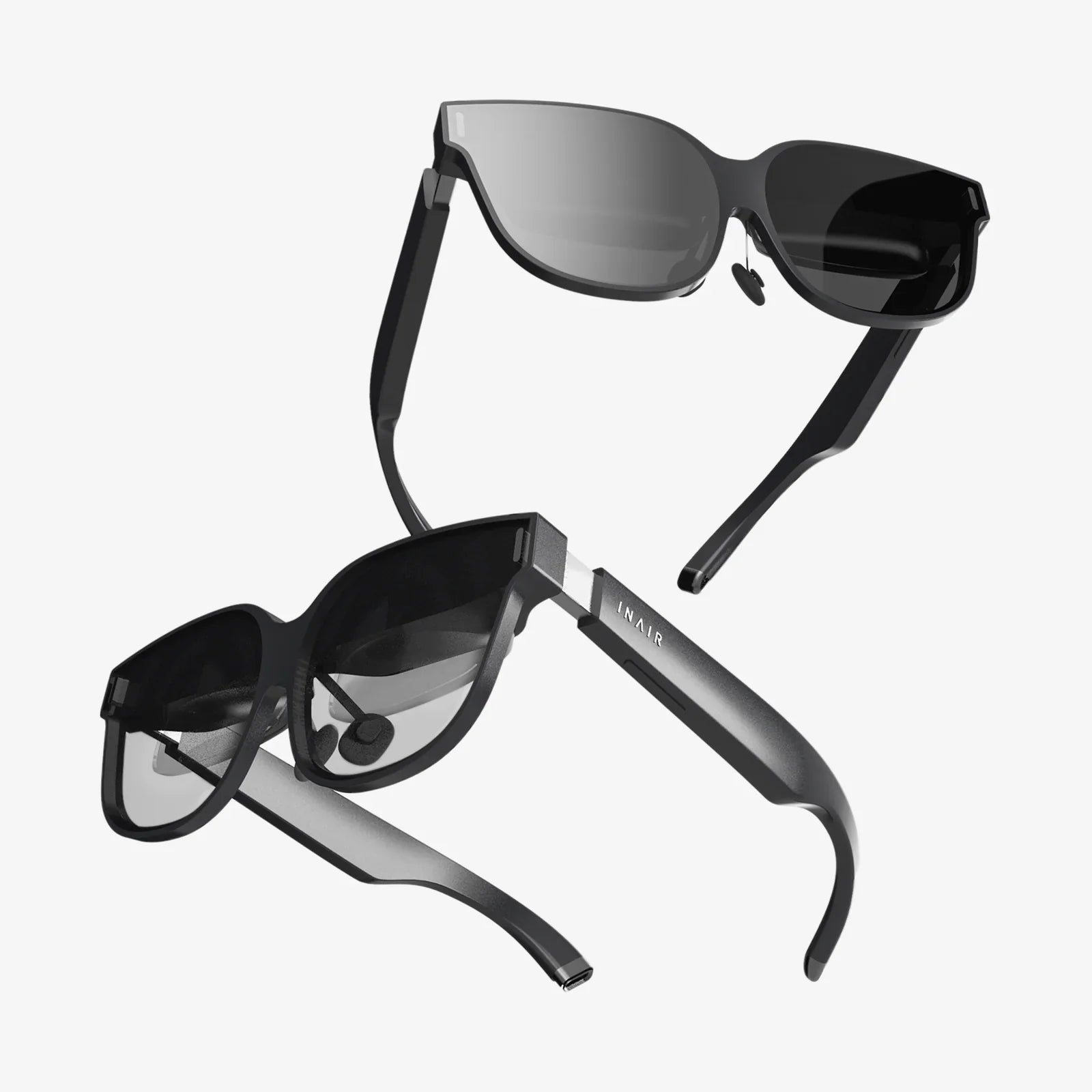
Imagine slipping on a headset and being instantly transported to a sun-drenched beach, feeling the warmth of the digital sun on your skin, seeing every grain of sand with impossible clarity, and hearing the gentle crash of waves so real you’d swear you could taste the salt in the air. This isn't the pixelated, nausea-inducing VR of yesteryear; this is the promise of Virtual Reality High Definition, a technological leap so profound it’s quietly erasing the line between the real and the simulated, and it's poised to change everything.
The Resolution Revolution: Beyond the Pixel Count
For years, the dream of truly immersive virtual reality was hampered by a simple, yet critical, limitation: visual fidelity. Early adopters will remember the distinct "screen door effect," a visible grid of black lines separating pixels that constantly reminded users they were looking at a screen mere inches from their face. High Definition in VR is the concerted effort to annihilate this barrier. It’s a multi-faceted engineering challenge that goes far beyond just cramming more pixels into a display.
At its core, Virtual Reality High Definition is defined by several key metrics:
- Pixel Per Degree (PPD): This is the true measure of sharpness in a VR headset. Unlike a television where resolution is fixed (e.g., 4K), VR sharpness depends on how those pixels are spread across your field of view. A high PPD means the pixels are densely packed, making the image appear smooth and continuous, much like real life.
- Field of View (FoV): A wide FoV is crucial for immersion, creating a sense of presence by filling your peripheral vision. The challenge for engineers is to expand the FoV without sacrificing PPD, a balancing act that requires optical breakthroughs.
- Refresh Rate & Low Persistence: A high refresh rate (90Hz and above) ensures smooth motion, preventing judder and blur. Coupled with low-persistence displays (where pixels flash briefly instead of staying lit), it eliminates motion smearing, a major contributor to simulator sickness.
- High Dynamic Range (HDR): True high definition isn't just about resolution; it's about contrast and color. HDR brings a wider range of luminance, from the deepest blacks to the brightest whites, and a richer color gamut, making virtual worlds feel vibrant and real.
The Engine Room: The Technology Powering the Clarity
Achieving this level of visual splendor is a symphony of advanced technologies working in concert. It starts with the displays themselves. The shift from traditional LCDs to micro-OLED panels has been a game-changer. These displays offer incredibly high pixel densities, perfect blacks, and lightning-fast response times, directly addressing the core weaknesses of earlier hardware.
However, a high-resolution display is useless without the graphical horsepower to feed it. This is where foveated rendering emerges as a critical innovation. This sophisticated technology uses internal eye-tracking sensors to monitor precisely where the user's gaze is focused. The headset then renders the center of the visual field—the fovea—in ultra-high detail, while intelligently reducing the rendering load on the peripheral areas, which the human eye perceives with much lower resolution. This massive reduction in computational demand allows even powerful processors to drive incredibly detailed experiences without overheating or draining battery life excessively.
Finally, the lenses are the final gatekeepers of clarity. Advanced pancake lenses, using complex folded optics, have replaced the bulky Fresnel lenses of the past. They allow for a much more compact headset design while providing a dramatically larger "sweet spot"—the area where the image remains perfectly sharp—and significantly reducing optical artifacts like glare and god rays.
A World Transformed: Applications Beyond Entertainment
While breathtaking games and immersive films are the most visible applications, the implications of Virtual Reality High Definition ripple far beyond entertainment, fundamentally altering professional landscapes.
The Surgeon's New Scalpel
In the medical field, HD VR is revolutionizing training and practice. Medical students can now step into a hyper-realistic simulation of a human body, practicing complex surgical procedures with anatomic accuracy that was previously unimaginable. They can see the delicate texture of tissue, the minute branching of capillaries, and the subtle color variations that signal health or disease. For remote surgery, a specialist could be virtually "present" in an operating room on the other side of the world, guiding a local surgeon with a level of visual detail that makes telepresence feel authentic.
The Architect's Living Blueprint
Architecture and engineering are undergoing a similar transformation. Clients are no longer forced to interpret complex 2D blueprints or crude 3D models. With HD VR, they can don a headset and take a photorealistic walkthrough of their unbuilt home. They can see how the light falls through a window at different times of day, assess the true scale of a room, and make informed decisions about materials and layouts. This eliminates costly change orders and ensures the final build matches the client's vision perfectly.
The Corporate Headquarters in Your Living Room
The concept of the "metaverse" for work is often met with skepticism, largely due to the cartoonish and low-fidelity avatars that have dominated early platforms. High-definition VR changes this equation. With advanced codec avatars and photorealistic scanning, meetings in virtual boardrooms can feature lifelike representations of colleagues. The subtle nuances of body language, facial expressions, and eye contact are preserved, fostering a sense of connection and collaboration that flat video calls simply cannot replicate. This has the potential to redefine remote work, making it more personal and effective.
The Human Factor: Psychology and the Threshold of Presence
The ultimate goal of all this technological advancement is a psychological state known as "presence"—the uncanny and powerful feeling of actually being in a virtual space. High visual fidelity is the single most important key to unlocking this state. When the visual cortex receives a signal that is indistinguishable from reality, the brain's skepticism melts away.
This has profound implications. Therapists are using HD VR environments to treat phobias like fear of heights or public speaking with unprecedented effectiveness, as patients are fully convinced of the scenario's reality. Educators can take students on field trips to ancient Rome or the bottom of the Mariana Trench, creating memorable, impactful learning experiences. The emotional resonance of a narrative in a film or game is magnified exponentially when the viewer feels like a participant within the story, not just an observer of it.
Navigating the New Frontier: Challenges and Considerations
The path to perfect virtual clarity is not without its obstacles. The computational requirements for native rendering of these dense environments are staggering, necessitating continuous innovation in processing power and cloud streaming solutions. There are also important ethical and societal questions to grapple with. As virtual experiences become more compelling than reality for some, issues of addiction, escapism, and the blurring of truth (e.g., hyper-realistic deepfakes in VR) will need careful consideration.
Furthermore, accessibility remains a hurdle. The cost of cutting-edge hardware capable of delivering this experience is still significant, though it will inevitably fall over time. The industry must also continue to improve comfort, reduce form factors, and ensure these powerful tools are available to a wide audience, not just a privileged few.
We are standing at the precipice of a new era of human-computer interaction. Virtual Reality High Definition is the catalyst, moving us from simply using technology to truly inhabiting it. It’s a shift that will redefine how we work, learn, heal, and connect, wrapping our realities in pixels so perfect we forget they are there at all. The headset is no longer just a display; it’s a passport, and the destinations are limited only by the resolution of our dreams.
Share:
How Long Until Fully Immersive Virtual Reality: A Roadmap to the Metaverse
How Long Until Fully Immersive Virtual Reality: A Roadmap to the Metaverse