


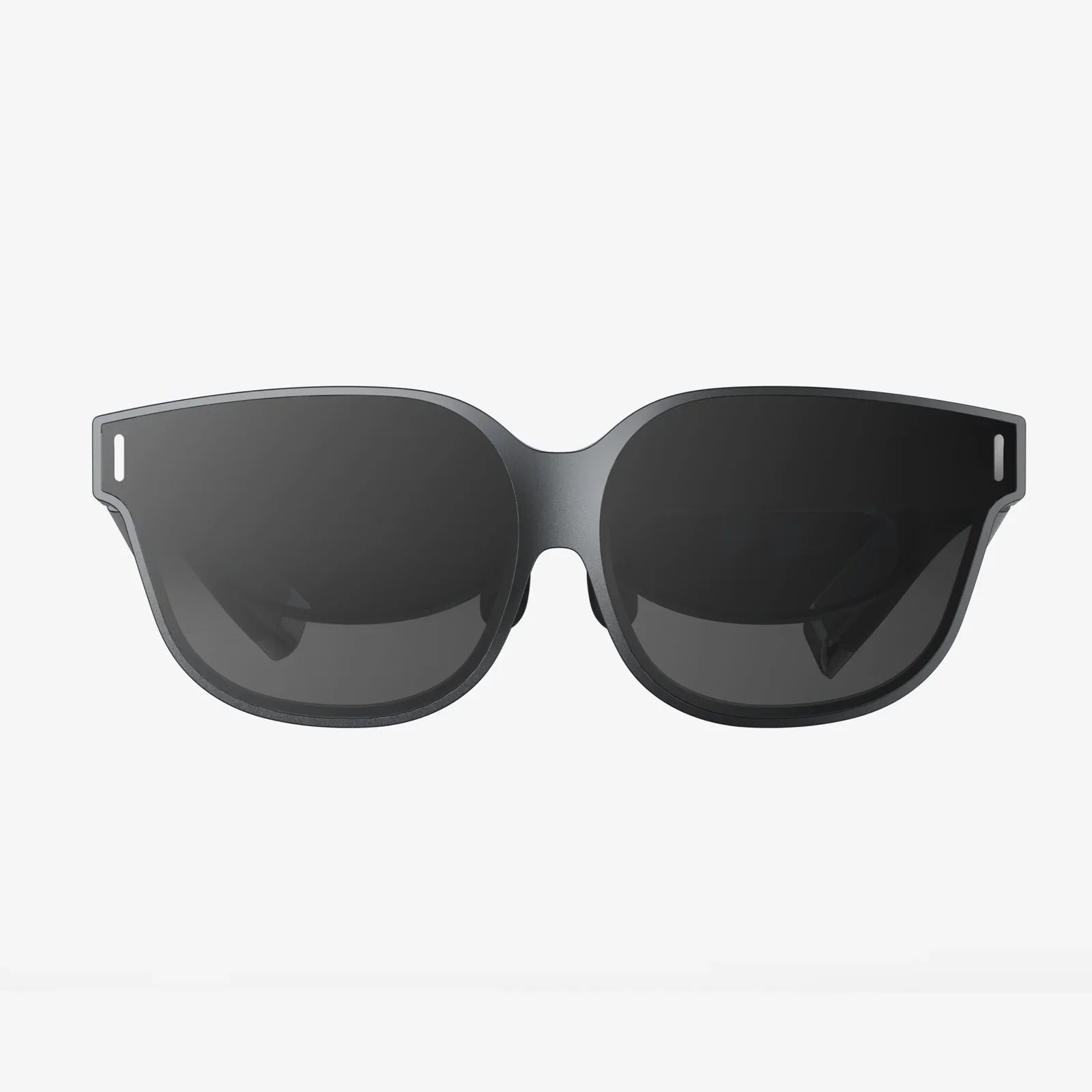
You’ve seen the breathtaking trailers, felt the buzz of the metaverse, and imagined yourself stepping into another world. The promise of virtual reality is intoxicating—a portal to new dimensions of gaming, social connection, work, and exploration. But before you take that leap, one pressing, practical question brings you back to reality: Virtual Reality, how much does it cost? The answer is far more complex than a single price tag, hidden behind a maze of hardware tiers, hidden fees, and a rapidly evolving market. Buckle up; we're about to demystify the true investment required to unlock the virtual frontier.
The Three Tiers of Virtual Reality: Finding Your Financial Entry Point
The first step to understanding VR cost is recognizing that the market is not monolithic. It's segmented into three distinct tiers, each with its own price point, performance level, and target audience. Your journey begins by deciding which tier aligns with your budget and aspirations.
1. The Standalone Headset: Convenience and Affordability
Standalone headsets are all-in-one units. They have their own processor, storage, battery, and tracking systems built directly into the headset. They are the most accessible and user-friendly option, requiring no cables to a powerful computer or a gaming console.
Target Audience: First-time VR users, families, casual gamers, and those who value a simple, untethered experience.
Price Range: The cost for a capable standalone headset typically starts in the $300 - $500 range for the base model with limited storage. More advanced models with higher resolution displays, better performance, and increased storage can reach up to $1,000.
What You Get: For this price, you get everything you need to start experiencing VR out of the box: the headset, motion controllers, and often a few pre-loaded experiences or demos. The initial setup is usually straightforward, involving little more than charging the device and connecting to a Wi-Fi network.
The True Cost: The headset itself is just the beginning. You must factor in the cost of software. While many free apps and experiences exist, premium games and applications can range from $20 to $60 each. Accessories are another consideration; a more comfortable strap, a carrying case, and additional controller batteries can add another $50 - $150 to your total investment.
2. The PC-Powered Headset (PCVR): The High-Fidelity Premium Experience
This tier is for the enthusiast who demands the absolute best visual fidelity, performance, and library of content. PCVR headsets act as sophisticated displays and sensors but rely entirely on a connected gaming computer to do the heavy computational lifting.
Target Audience: Hardcore gamers, simulation enthusiasts (flight sims, racing sims), professionals in architecture and design, and users seeking the pinnacle of VR performance.
Headset Price Range: PCVR headsets themselves can vary widely. Older, discontinued models can be found on the second-hand market for as low as $200 - $300. Current-generation wired headsets typically cost between $400 and $1,200. The most cutting-edge wireless PCVR adapters and professional-grade kits can push the headset-specific cost even higher.
The Elephant in the Room: The Gaming PC
This is the most significant and often overlooked cost. You cannot run a PCVR headset without a capable computer. We are not talking about a standard office laptop. You need a dedicated gaming rig with a powerful graphics card (GPU) that meets or exceeds the minimum specifications for modern VR.
The PC Cost Breakdown:
- Entry-Level VR-Ready PC: A pre-built desktop or a custom-built machine that meets the minimum specs for most headsets will start at approximately $800 - $1,200.
- Recommended/High-End VR PC: To enjoy games at higher resolutions, refresh rates, and with all the graphical settings turned up, you should budget $1,500 - $2,500+ for the computer alone. A high-end GPU by itself can cost nearly a thousand dollars.
- Laptop Option: VR-ready laptops do exist, but they often carry a premium price tag for equivalent desktop performance, typically starting around $1,400 and going much higher.
The True Cost: Therefore, the true entry cost for a quality PCVR setup is the combination of the headset and the computer. A realistic starting point is $1,200 at the absolute minimum, with a more comfortable and future-proof budget sitting between $2,000 and $3,500. This, again, is before software, which for PCVR often mirrors standalone prices, and accessories.
3. The Console-Based Headset: A Closed Ecosystem with a Known Cost
This tier is currently dominated by a single major player, offering a streamlined and high-quality experience tethered to a specific games console. It represents a middle ground between the accessibility of standalone and the power of PCVR.
Target Audience: Owners of the specific console who want a premium, plug-and-play VR experience without building a gaming PC.
Headset Price Range: The headset itself is a sophisticated piece of kit, often featuring high-resolution displays and advanced controllers. Its price typically falls between $400 and $550.
The Console Cost: If you do not already own the required console, you must factor in its cost, which is approximately $400 - $500 for the digital-only or standard editions.
The True Cost: For a new user, the total upfront investment is the headset plus the console, bringing the total to roughly $800 - $1,000. This is a known quantity with no hidden hardware surprises. The software library, while excellent, is exclusive to this ecosystem, and game prices are similar to other platforms.
Beyond the Box: The Hidden and Recurring Costs of VR
The initial hardware purchase is only the first layer of the financial onion. To get a complete picture of virtual reality how much does it cost, you must peel it back further.
Software and Content: The Library Tax
Your headset is a empty vessel without software. Building a library is an ongoing expense.
- Games: Major titles are priced similarly to flat-screen games, from $20 for indie gems to $60-$70 for AAA blockbusters.
- Experiences and Apps: Many creative, educational, and fitness applications operate on a paid model, often ranging from $5 to $30.
- Subscription Services: Some multiplayer-focused games and fitness apps require monthly or annual subscriptions to access their full feature set, adding a recurring cost.
The Essential (and Optional) Accessories
Accessories transform the VR experience from good to great, but they add up quickly.
- Comfort Mods: The default straps on many headsets can be uncomfortable for long sessions. Aftermarket straps with better weight distribution and built-in batteries are popular and cost $30 - $100.
- Prescription Lens Inserts: If you wear glasses, using them inside a headset is awkward and can scratch the lenses. Custom magnetic prescription inserts are a fantastic QOL upgrade for $70 - $120.
- Controller Enhancements: This includes rechargeable battery packs, protective grips, and silicone covers, which might add another $20 - $50.
- Advanced PCVR Add-ons: For sim racing or flight enthusiasts, the cost skyrockets with dedicated force-feedback wheels, hotas joysticks, and rudder pedals, which can easily cost $300 - $1,000+ for a quality setup.
- Storage: Standalone headsets with limited internal storage may force you to delete games to make room for new ones. Upgrading isn't always possible, so you may be limited to what you can own at once.
The Electricity Bill and Internet Considerations
While minor compared to other costs, VR does consume electricity. A PC under full VR load, the headset itself, and controllers all need power. Furthermore, a strong and stable Wi-Fi network is crucial for standalone headsets and wireless PCVR streaming. You may need to invest in a better router or mesh network system for an optimal experience.
Future-Proofing and the Cost of Obsolescence
Technology evolves at a breakneck pace. The headset you buy today will likely be surpassed by a newer, better model in 2-3 years. This doesn't mean your device becomes useless, but the allure of higher resolution, better performance, and new features will be strong. Budgeting for this upgrade cycle is part of the long-term cost of being a VR enthusiast. The PC components, particularly the GPU, may also need upgrading within a similar timeframe to run the latest and most demanding VR titles.
The Value Proposition: Is the Cost Justified?
With all these numbers laid out, the final question is one of value. Is it worth it? For millions of users, the answer is a resounding yes.
- Unparalleled Experiences: VR offers a form of immersion and presence that is impossible to replicate on a flat screen. The feeling of "being there" has tangible value for entertainment, travel, education, and social connection.
- A New Medium for Creativity and Work: Beyond games, VR is a powerful tool for 3D design, architectural visualization, virtual meetings, and medical training. For professionals in these fields, the hardware can pay for itself.
- The Ultimate Fitness Machine: VR fitness apps have turned exercise into an engaging game, helping people stay active and healthy from their living rooms, potentially saving on gym memberships.
- A Social Platform: The metaverse concept, while overhyped, points to a future where VR is a primary platform for social interaction, concerts, and events.
When evaluating the cost, you must weigh the financial output against these unique forms of value. For a dedicated gamer, the $2,500 PCVR setup might represent thousands of hours of unique entertainment. For a fitness enthusiast, a $400 standalone headset could be the key to a consistent workout routine.
So, what's the final answer? The price of admission to virtual reality is a sliding scale. You can dip your toes in for as little as $300 or dive into the deep end for well over $3,000. The true cost of VR is not a single number but a reflection of your desires, your existing tech, and your willingness to explore a world beyond our own. The real question isn't just about the price—it's about the value you'll find on the other side of the lens.
Imagine not just playing a game, but living inside it. The initial sticker shock fades the moment you defy gravity on a distant planet, stand inches from a prehistoric dinosaur, or share a laugh with a friend who feels like they're in the room with you. The investment is significant, but the return is measured in experiences that flat screens can only dream of. Your journey into the virtual world is waiting; now you know exactly what it takes to begin.
Share:
Hololens vs Virtual Reality: The Ultimate Showdown for the Future of Digital Experience
What Went Virtual Reality: From Sci-Fi Fantasy to a Transformative Digital Frontier