


- by wangfred
Virtual Reality Market Growth Statistics: The Unstoppable Ascent of a Digital Frontier
- by wangfred
The digital world is expanding at a velocity that defies conventional expectation, and at the forefront of this revolution is a technology once confined to the pages of science fiction. The numbers are not just figures on a spreadsheet; they are a testament to a paradigm shift in human-computer interaction, a silent earthquake reshaping the bedrock of entertainment, industry, and society itself. To ignore the virtual reality market growth statistics is to ignore the blueprint of our imminent future—a future being built and experienced behind a headset, right now.
The global virtual reality market is not merely growing; it is experiencing a period of unprecedented, explosive expansion. After years of being a nascent technology waiting for its moment, the confluence of improved hardware, accessible software, and changing global habits has catapulted VR into the mainstream. Analysts and research firms worldwide have been meticulously tracking this ascent, and the consensus is overwhelmingly positive.
Recent market analyses project the global VR market size to soar from a robust base of several billion dollars to well over fifty billion dollars by the end of the decade, reflecting a staggering Compound Annual Growth Rate (CAGR) that consistently exceeds 20%. This growth trajectory is not a simple linear progression but an accelerating curve, fueled by successive waves of innovation and adoption across different sectors. The sheer scale of investment, both from private equity and major technology corporations, underscores a fundamental belief in the technology's long-term viability and transformative potential. These are not gambles; they are calculated investments in the next major computing platform.
This remarkable growth is not happening in a vacuum. It is the direct result of several powerful, interconnected factors that have aligned to create a perfect storm of adoption and innovation.
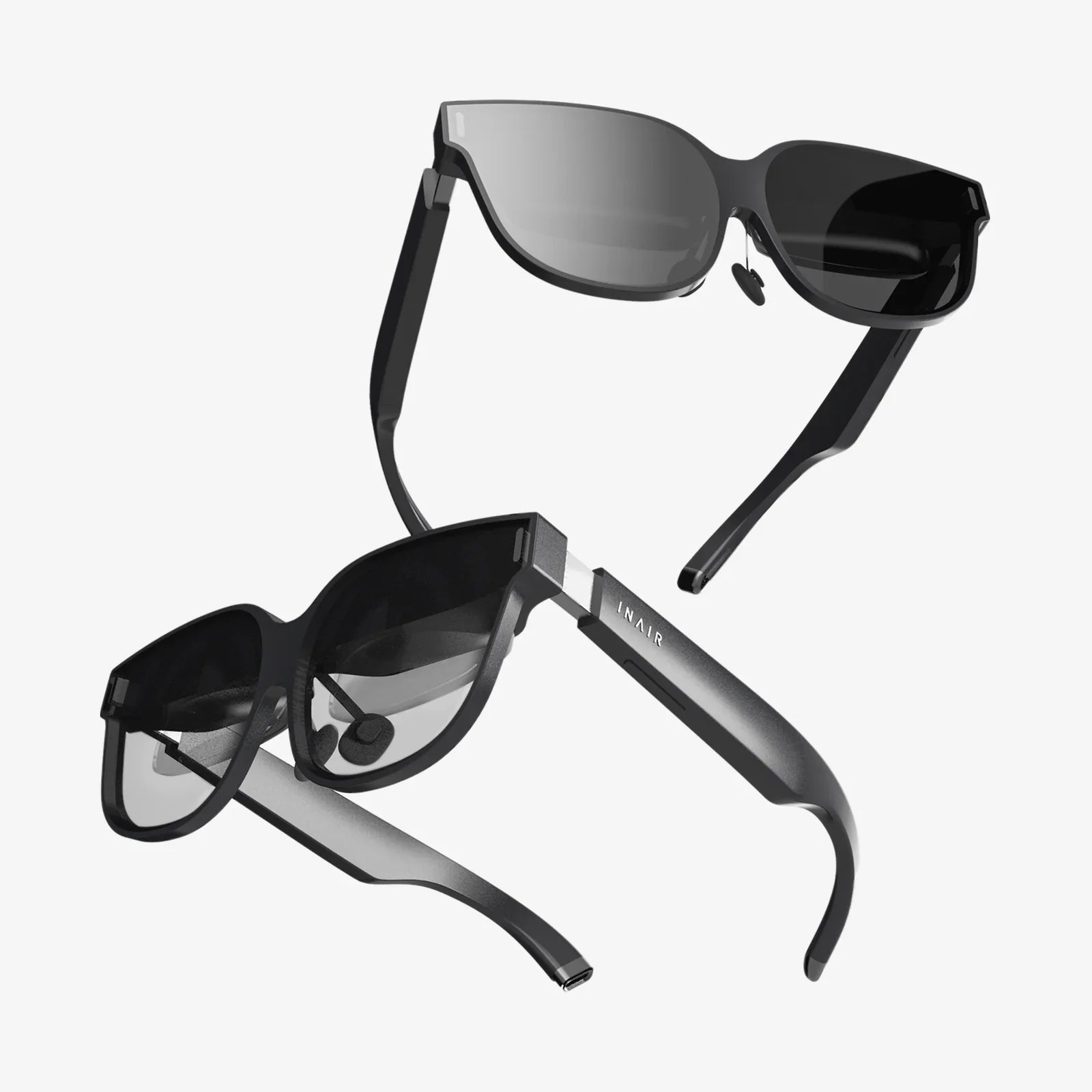
The single greatest catalyst for the current VR boom has been the radical evolution of the hardware itself. Early headsets were often tethered, cumbersome, expensive, and provided an experience that could be more nauseating than immersive. Today's generation of devices has shattered these barriers.
While consumer gaming grabs headlines, the enterprise sector is arguably the most significant and stable engine of virtual reality market growth. Businesses across the globe are deploying VR solutions to solve real-world problems, improve efficiency, and reduce costs. The return on investment is clear and measurable.
Compelling hardware is useless without compelling software. The VR content ecosystem has matured enormously, moving far beyond its roots in gaming to encompass a diverse range of experiences.
The adoption of virtual reality is a global story, but the pace and nature of growth vary significantly by region. North America, with its strong technology sector and high consumer purchasing power, has historically held the largest market share, driven by early adoption and significant investment in enterprise solutions. However, the Asia-Pacific region is projected to be the fastest-growing market throughout the decade. This surge is fueled by massive manufacturing capabilities, government support for technology development, and a vast, tech-savvy population in countries like China, South Korea, and Japan. Europe also represents a major and mature market, with strong activity in industrial simulation, automotive design, and healthcare applications.
The current virtual reality market growth statistics are impressive, but they merely set the stage for the next chapter. The long-term vision, championed by many industry leaders, is the development of the metaverse—a persistent network of interconnected virtual worlds focused on social connection. This concept, while still evolving, represents the ultimate endgame for VR and related technologies like augmented reality.
Future growth will be fueled by several key developments:
Despite the overwhelmingly positive outlook, the path forward is not without obstacles. For the market to reach its full potential, the industry must address several persistent challenges:
The staggering virtual reality market growth statistics tell a clear and compelling story of a technology that has decisively escaped the realm of niche gadgetry. It is a story of hardware triumphing over its limitations, of enterprises discovering profound utility, and of creators building entirely new worlds. This is no longer a speculative bubble; it is the measurable, quantifiable, and unstoppable ascent of a new digital reality. The headset is no longer just a screen you look at—it is a portal you step through, and the data shows that more people are walking through it every single day. The future is not just being written; it's being rendered in 3D, and the market is voting with its wallet.
Share:
Best Virtual Reality Headset - Your Ultimate Guide to Immersive Tech in 2024
Do Virtual Reality Headsets Damage Your Eyes? An In-Depth Look at the Science