


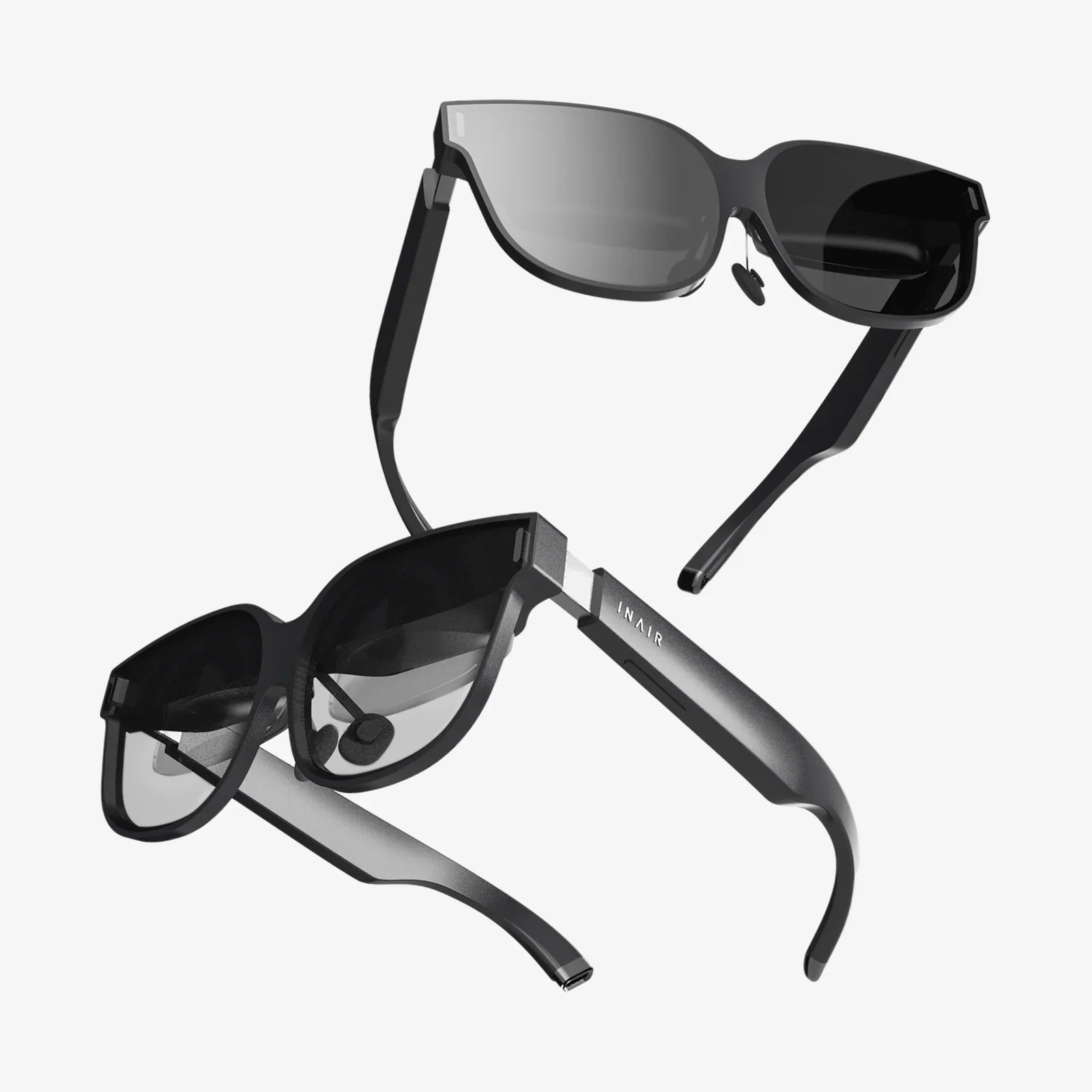
The digital landscape is perpetually shifting, but few technological waves have promised as profound an impact as virtual reality. Once the stuff of science fiction, VR has matured from a niche gaming accessory into a powerful computational platform with the potential to reshape entire industries. For the astute business leader, entrepreneur, or investor, the virtual reality market opportunity represents not just a new product category, but a fundamental shift in how we compute, connect, and experience the digital world. The question is no longer if VR will become mainstream, but who will be the pioneers to define its commercial and experiential frontiers.
The Foundation of a Revolution: Beyond the Hype
The global virtual reality market is experiencing a period of explosive growth, propelled by significant advancements in hardware, software, and connectivity. Market analysts consistently project a multi-fold increase in market size over the next decade, transforming it from a multi-billion dollar industry into a cornerstone of the global digital economy. This growth is not happening in a vacuum; it is the result of a powerful convergence of several critical factors.
Firstly, the hardware has finally reached a threshold of acceptability. Early adopters tolerated clunky headsets, low-resolution displays, and limited processing power. Today's devices offer high-resolution, high-refresh-rate displays, inside-out tracking that eliminates external sensors, and increasingly sophisticated ergonomics. The advent of standalone, all-in-one headsets has been a particular game-changer, removing the barrier of a tethered connection to a powerful computer and making the technology more accessible and user-friendly.
Secondly, the ecosystem of content and applications has expanded dramatically. While immersive games remain a powerful driver of consumer adoption, the real momentum is building in enterprise and professional applications. From architects walking clients through unbuilt structures to medical students practicing complex surgical procedures, the value proposition of VR is moving beyond entertainment into tangible productivity and training enhancements.
Finally, the underlying infrastructure can now support ambitious virtual experiences. The rollout of high-speed 5G networks reduces latency, a critical factor for seamless and comfortable VR. Meanwhile, advancements in cloud computing allow for the offloading of intense graphical processing, potentially making high-fidelity VR experiences accessible on more affordable hardware. This perfect storm of technological readiness is unlocking the vast virtual reality market opportunity across every sector.
Deconstructing the Opportunity: Key Application Sectors
The potential of VR is not monolithic; it manifests differently across various industries. Understanding these sector-specific applications is key to identifying where the most promising opportunities lie.
Enterprise and Corporate Training
Perhaps the most immediate and financially compelling virtual reality market opportunity exists within enterprise training. Companies are leveraging VR to create safe, scalable, and highly effective training simulations for high-stakes professions. Emergency responders can practice navigating disaster scenarios, factory workers can learn to operate complex machinery, and public-facing employees can hone their customer service skills—all without real-world risk or logistical nightmares. The return on investment is measured in reduced training costs, improved retention rates, and, most importantly, the prevention of costly errors.
Healthcare and Therapy
The healthcare sector is embracing VR for both therapeutic and clinical applications. Surgeons use detailed VR simulations to plan and practice complex operations, leading to improved patient outcomes. VR exposure therapy is proving highly effective in treating conditions like PTSD, phobias, and anxiety disorders by allowing controlled exposure to triggers in a safe environment. Furthermore, VR is being used for pain management, physical rehabilitation, and even to provide empathy training for medical staff by simulating conditions like macular degeneration or Alzheimer's.
Education and Remote Learning
Education is undergoing a digital transformation, and VR is poised to be at its forefront. Imagine history students exploring ancient Rome, biology students taking a journey through the human bloodstream, or astronomy students navigating the solar system. VR transforms abstract concepts into tangible, memorable experiences. This application extends to corporate onboarding and professional development, creating immersive learning pathways that are far more engaging than traditional video or text-based modules.
Real Estate and Architecture
In real estate and architecture, VR is revolutionizing the design and sales process. Architects and designers can create immersive walkthroughs of their plans, allowing clients to experience the scale, flow, and lighting of a space long before construction begins. Real estate agents can offer virtual property tours to international buyers, dramatically expanding their market and saving immense time and resources. This virtual staging capability allows for a personalized viewing experience that static images simply cannot match.
Retail and E-Commerce
The future of retail may lie in the virtual storefront. VR offers the potential to try before you buy on an unprecedented scale. Customers can see how a piece of furniture would look in their living room, how a car's interior feels, or how a pair of sunglasses fits their face—all from their home. This merges the convenience of e-commerce with the experiential benefits of physical retail, reducing return rates and building stronger brand connections.
Navigating the Challenges: Barriers to Adoption
Despite the immense promise, the path to widespread VR adoption is not without significant hurdles. Acknowledging and strategizing around these challenges is crucial for any business seeking to capitalize on the virtual reality market opportunity.
Hardware Limitations and User Comfort: While improved, hardware still faces issues. Even the best headsets can cause motion sickness in some users, a phenomenon known as simulator sickness. The form factor, though shrinking, can still be cumbersome for extended use. Achieving true visual fidelity comparable to real life—a concept known as visual immersion—requires even higher resolution displays and more powerful processors.
Content Development Costs and Complexity: Creating high-quality, immersive VR content is currently expensive and requires specialized skills in 3D modeling, game engine programming, and spatial audio design. This creates a barrier to entry for smaller businesses and independent creators, potentially limiting the diversity of experiences available.
The Social and Collaboration Layer: For VR to become a true platform for work and social connection, it needs robust and intuitive social features. Current implementations of avatars and spatial audio for meetings are improving but still lack the nuance and ease of use found in traditional video conferencing tools. Building a sense of genuine presence and seamless collaboration is a critical software challenge.
Privacy and Ethical Considerations: VR headsets are data collection machines. They can track user movement, eye gaze, and even physiological responses. This data is incredibly valuable for improving experiences and for analytics, but it also raises profound questions about user privacy, data ownership, and psychological manipulation. Establishing clear ethical guidelines and transparent data policies will be essential for building mainstream trust.
The Future is Immersive: Trends Shaping Tomorrow's VR Landscape
The trajectory of VR points toward a more integrated, intuitive, and powerful future. Several emerging trends will further amplify the virtual reality market opportunity in the coming years.
The Metaverse Convergence: VR is a primary gateway to the much-hyped metaverse—a persistent network of interconnected virtual spaces. While the full vision is years away, the development of these shared digital worlds will create unprecedented opportunities for virtual commerce, live events, and social interaction, all of which will be accessed and enhanced through VR technology.
Advancements in Haptics and Sensory Feedback: The next frontier of immersion is moving beyond sight and sound. Research into advanced haptic gloves, vests, and even full-body suits aims to simulate the sense of touch. This will be transformative for training simulations, remote collaboration where physical interaction is key, and creating deeply immersive entertainment experiences.
AI Integration: Artificial intelligence will supercharge VR experiences. AI can be used to generate dynamic, responsive virtual environments, create intelligent non-player characters for training scenarios, and even personalize experiences in real-time based on user behavior and biometric feedback.
Enterprise-Led Innovation: In the near term, the enterprise sector will likely be the primary driver of innovation and revenue. The clear ROI in training, design, and remote collaboration will fuel investment, which will in time trickle down to consumer applications through lower costs and more refined technology.
Positioning for Success: A Strategic Imperative
For businesses and investors, the time to engage with VR is now. This does not mean every company needs to develop a VR application immediately, but it does require strategic thinking.
Businesses should start by identifying pain points that VR could solve. Is there a training challenge that is too dangerous, expensive, or logistically complex? Is there a product that would benefit from an immersive try-before-you-buy experience? Is there a remote collaboration problem that could be solved by a shared virtual workspace? Piloting small-scale, focused VR projects can provide invaluable insights without massive capital outlay.
For investors, the opportunity extends beyond hardware manufacturers. The real growth may lie in the software and platform layers—the companies creating the enterprise training simulations, the design collaboration tools, the social hubs, and the underlying engines that power these experiences. Content is, and will remain, king.
The virtual reality market opportunity is a paradigm shift, akin to the rise of the personal computer or the smartphone. It offers a new medium for human experience and a new platform for business innovation. The pioneers who experiment, iterate, and build for this immersive future will be the ones to define the next chapter of the digital age.
Ignoring this seismic shift is a far greater risk than exploring it early; the businesses that begin their immersive journey today will hold a decisive advantage in the marketplace of tomorrow, crafting experiences that are not just seen or heard, but truly lived.
Share:
Immersive Reality vs Virtual Reality: Navigating the Next Digital Frontier
Virtual Augmented Reality Applications Are Reshaping Our World