


- by wangfred
Virtual Reality Multiple Monitor: The Ultimate Productivity and Immersion Setup
- by wangfred
Imagine a workspace not limited by the physical dimensions of your desk, where the only boundary to your digital canvas is the edge of your vision. This is no longer the realm of science fiction; it is the tangible, exhilarating promise of a virtual reality multiple monitor environment. For decades, power users, developers, traders, and creatives have sought the holy grail of productivity: more screen space. We've stacked bezel upon bezel, creating wall-like arrays of physical displays that are expensive, cumbersome, and ultimately finite. But what if you could conjure a dozen high-resolution screens out of thin air, arrange them with a gesture, and immerse yourself in your work or play like never before? The convergence of advanced virtual reality and the innate human desire for expanded visual territory is forging a new paradigm, one that is set to redefine our relationship with computers entirely.
The quest for more pixels is as old as the graphical user interface itself. The transition from a single monitor to dual displays was a monumental leap in productivity. Suddenly, you could reference a document on one screen while writing on another. From there, the trend escalated. Triple-monitor setups became standard for serious gamers and financial analysts. Some dedicated enthusiasts built command centers with six, eight, or even more physical displays, creating an immersive cocoon of information.
However, this physical approach has inherent limitations. The cost of high-quality panels multiplies quickly. The desk real estate required is significant. The cable management is a nightmare. The power consumption adds up. And perhaps most frustratingly, the bezels—the physical borders between each screen—constantly interrupt the field of view, creating a segmented and disjointed experience. We reached the pinnacle of what was physically practical and economically sensible. We needed a new paradigm, not just an incremental improvement.
Virtual reality technology initially captured the public's imagination through gaming and entertainment. Its power to transport users to entirely new worlds was its primary selling point. Yet, as the hardware evolved—becoming higher resolution, more comfortable, and powered by more capable computers—a new application emerged from an unexpected direction: productivity. Developers and early adopters began experimenting with using VR headsets not as portals to fantasy worlds, but as replacements for their physical monitors.
The concept is deceptively simple yet profoundly powerful. Instead of rendering a game environment, the VR system renders a virtual workspace. Within this space, users can spawn multiple virtual screens. These are not mere copies of a single desktop; they can be independent, high-resolution windows displaying different applications, videos, data feeds, or documents. You are no longer looking at your monitors; you are inside your workspace.
How does a virtual reality multiple monitor system function? It's a sophisticated interplay of hardware and software.
The Hardware Foundation: At its core, you need a capable VR headset. Key specifications are paramount. Display resolution is critical; early VR headsets suffered from a visible "screen door effect," where users could see the gaps between pixels, making text difficult to read. Modern headsets feature high pixel-per-degree density and advanced lenses, making virtual text as sharp as reading from a high-quality physical monitor. Comfort is another crucial factor, as productivity sessions can last many hours.
The Software Environment: This is where the real magic happens. Specialized software acts as the bridge between your computer's operating system and the VR headset. This software creates a persistent virtual environment. It captures the video output from your computer—often for multiple individual applications or entire desktops—and maps each one onto a virtual screen or panel within your VR view. Advanced software allows for incredible customization:
The advantages of a VR multi-monitor setup extend far beyond simply having more windows open.
True Immersive Focus: By donning a headset, you physically and digitally block out the distractions of your physical environment. The outside world fades away, allowing for deep, uninterrupted concentration. This state of "flow" is incredibly valuable for complex tasks like programming, writing, or data analysis.
Ergonomic Flexibility: Unlike static physical monitors, virtual screens can be positioned perfectly for your posture. You can place them all at an ideal height and distance to avoid neck strain. You can even lie back in a chair and position the screens above you, creating a comfortable working position that would be impossible with traditional hardware.
Portability and Security: Your entire elaborate, multi-screen setup is encapsulated within the headset and your computer. This means your perfect workspace is portable. You can have the same immense, customized array of screens anywhere you have your VR gear and a powerful laptop. Furthermore, from a security perspective, your work is not visible to anyone looking over your shoulder—it exists only within your private headset.
Cost-Effectiveness at Scale: While a high-end VR headset represents a significant investment, it is often drastically cheaper than purchasing three, four, or five high-fidelity physical monitors of comparable size and resolution. The value proposition becomes even stronger as the virtual screen count increases.
This technology is undeniably revolutionary, but it is not yet perfect. There are hurdles that manufacturers and developers are actively working to overcome.
Visual Fidelity and Eye Strain: Despite vast improvements, some users may still experience eye strain during extended sessions. The vergence-accommodation conflict—where your eyes focus on a fixed-distance screen but must converge to perceive depth on virtual objects at different distances—can cause discomfort for some. Advances in eye-tracking and varifocal lenses are promising solutions on the horizon.
The Social and Practical Isolation: Being completely immersed in a headset cuts you off from colleagues in a shared office space and from your physical belongings like a notebook or phone. Passthrough AR features, which use cameras to show a video feed of the real world, are improving rapidly to bridge this gap, allowing users to see their keyboard, coffee mug, or a approaching colleague without removing the headset.
The Raw Computing Power Requirement: Driving a high-resolution VR headset while simultaneously rendering a dozen high-resolution virtual screens demands a tremendous amount of graphical processing power. Users need a high-end graphics card, making the initial hardware barrier to entry quite steep.
The virtual reality multiple monitor is not the end goal; it is a stepping stone. It is teaching us how to interact with digital information in three-dimensional space. The future lies in mixed reality (MR) and spatial computing.
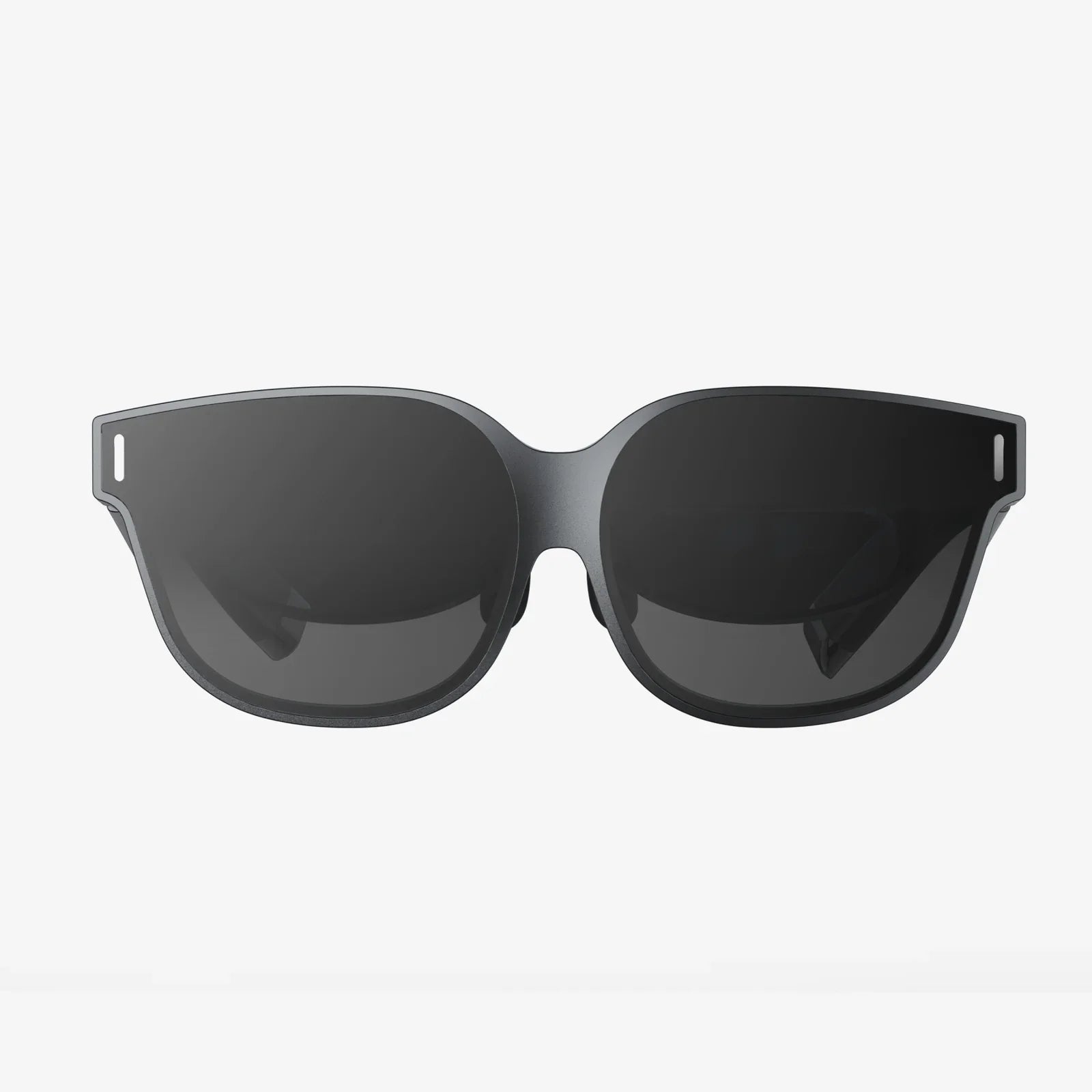
We are moving towards lightweight glasses that can seamlessly blend virtual screens with your real environment. Imagine digital screens locked firmly to your physical walls, a virtual video call participant sitting on your real couch, or 3D data models you can walk around and manipulate with your hands—all while maintaining a perfect view of the real world around you. This will dissolve the remaining barriers of isolation and usher in an era where our digital and physical tools coexist harmoniously.
The potential extends beyond individual productivity. Collaborative virtual spaces will allow teams from across the globe to stand in a shared virtual room, surrounded by interactive data visualizations and models, brainstorming and iterating as if they were physically together. The virtual reality multiple monitor concept is the foundational experience for this coming revolution in collaboration and computation.
The wall of physical monitors was a testament to our ambition, but the infinite canvas of virtual reality is the fulfillment of that ambition. It shatters the constraints of physical space and cost, offering a level of customization and immersion that feels almost magical. While putting on a headset to check email may seem like overkill today, the trajectory is clear. The tools are becoming more powerful, more comfortable, and more intuitive. We are standing at the precipice of a fundamental shift, moving from working on a computer to working within a digital universe of our own creation. The question is no longer if you will have enough room on your desk for another monitor, but how you will choose to arrange the limitless space now at your fingertips.
Share:
Holographic Display Market Analysis: A Deep Dive into the Future of Visual Technology
Top AR Technology: Reshaping Reality and Revolutionizing Our World