


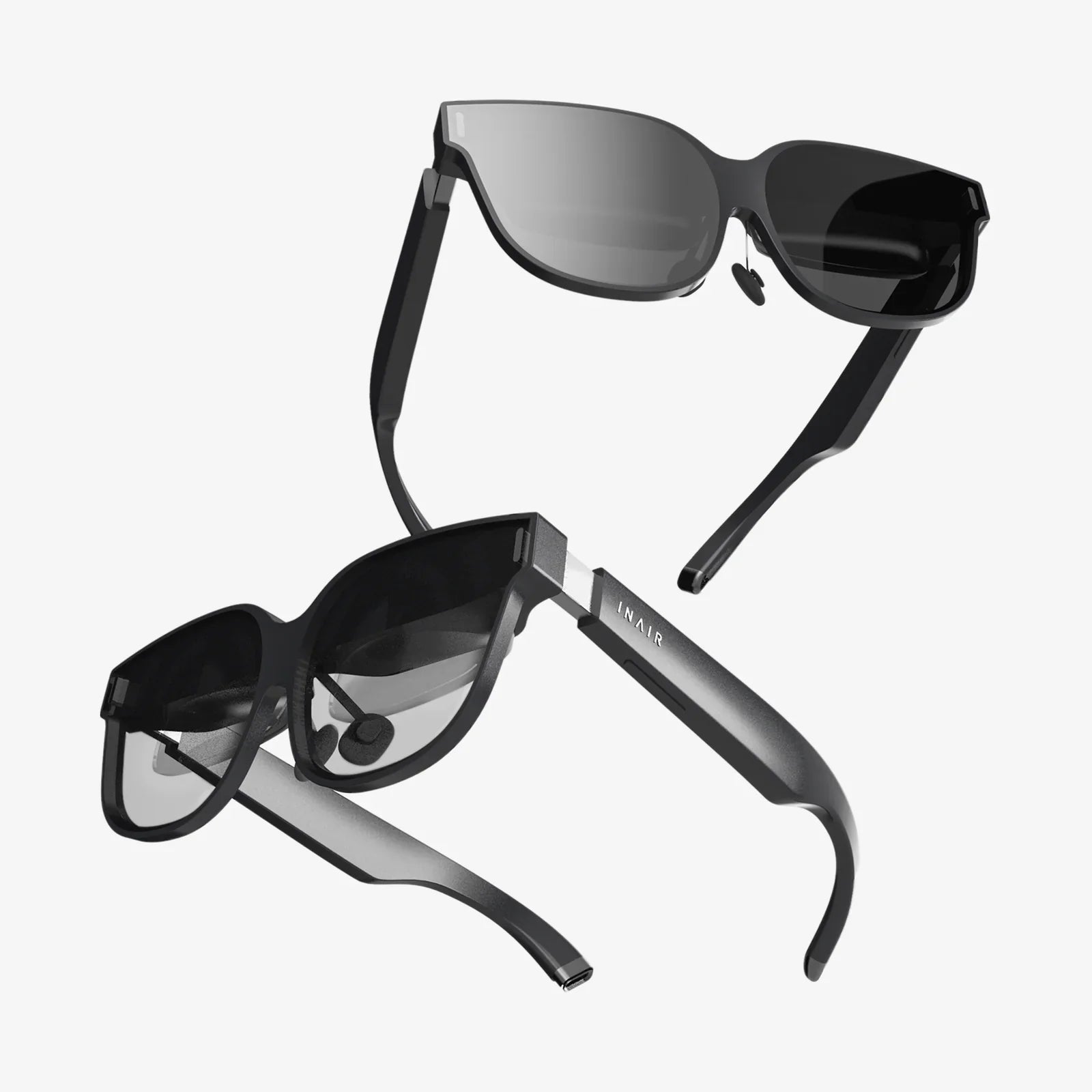
Imagine standing on the windswept peaks of the Southern Alps, feeling a phantom chill as you gaze across glacial valleys, before being instantly transported to the floor of a lush, ancient kauri forest, all without ever leaving your living room. This is the promise of Virtual Reality New Zealand, a technological revolution that is not just changing how we play games, but fundamentally reshaping how we connect with, understand, and experience the essence of Aotearoa. The fusion of cutting-edge immersive technology with one of the world's most breathtaking natural landscapes is creating a new digital frontier, offering unprecedented access and novel perspectives on everything from cherished cultural heritage to remote scientific field work. This is more than a novelty; it's a portal to the soul of a nation.
A Landscape Forged for Immersion
New Zealand’s geographical identity is one of dramatic contrasts and epic scale—attributes that make it a perfect subject for virtual reality. The technology thrives on delivering a sense of presence, of truly being somewhere, and few places on Earth elicit a stronger sense of awe than New Zealand's diverse environments. VR developers and creators are leveraging this natural advantage, using high-resolution 360-degree cameras and advanced photogrammetry to capture these locations in meticulous detail.
The result is a library of immersive experiences that allow users to:
- Hike Virtually: Traverse the world-renowned tracks like the Milford Track or the Tongariro Alpine Crossing, navigating challenging terrain and witnessing stunning vistas that were previously only available to those with the time, budget, and physical fitness to attempt them.
- Explore Marine Reserves: Dive beneath the waves of the Poor Knights Islands, a marine reserve teeming with life, swimming alongside schools of fish and through intricate underwater archways without getting wet.
- Witness Geological Forces: Stand on the crater rim of an active volcano or witness the powerful geothermal activity of the Rotorua region, with simulations that can illustrate the powerful geological forces that continue to shape the islands.
This digital preservation also serves a crucial conservation role. By creating perfect virtual replicas of fragile ecosystems, researchers can monitor changes over time, and the public can explore sensitive areas without contributing to physical wear and tear, promoting sustainable tourism practices.
Guardians of the Digital Realm: Preserving and Sharing Māori Culture
Perhaps the most profound application of Virtual Reality in New Zealand is in the realm of cultural heritage, particularly for the indigenous Māori people. For Māori, the connection to the land (whenua) is spiritual and foundational to identity. Stories (pūrākau) and history are intrinsically tied to specific mountains, rivers, and forests. VR offers a powerful new medium (waka) to carry these stories forward.
Initiatives are underway to use immersive technology to preserve and share taonga (treasures) in ways that were previously impossible. This includes:
- Virtual Marae Visits: Marae are the sacred communal meeting grounds central to Māori life. VR experiences can offer a respectful and immersive digital welcome (powhiri), allowing people worldwide to learn about their significance, admire the intricate carvings (whakairo), and understand the protocols without the barriers of travel.
- Reviving Lost Landscapes: Some areas significant to iwi (tribes) have been dramatically altered by urbanization or agriculture. VR can be used to digitally reconstruct these landscapes as they once were, rebuilding a visual and historical connection for younger generations.
- Interactive Storytelling: Ancient legends and histories can be experienced, not just told. Users can witness the story of Māui fishing up the North Island or follow the great migration waka (canoes) across the Pacific, surrounded by the sights and sounds of the narrative.
This is done through deep collaboration with iwi, ensuring that the technology serves the culture and its protocols, not the other way around. It represents a respectful fusion of the ultra-modern and the ancient, creating a living, digital archive for future generations.
Transforming Education and Research
The educational potential of Virtual Reality New Zealand is immense, turning the entire country into an interactive classroom. From primary schools to universities, institutions are adopting VR to enhance learning outcomes.
- STEM Education: Students can conduct virtual field trips to active fault lines to study tectonics, explore the biodiversity of a native bush, or even shrink down to a microscopic level to study unique New Zealand flora and fauna. This hands-on, experiential learning fosters deeper engagement and understanding.
- Historical Reconstruction: History classes can step back in time to experience key moments, such as the signing of the Treaty of Waitangi or what a Victorian-era gold mining town looked and sounded like during the Otago Gold Rush.
- Medical and Veterinary Training: Medical students can practice complex procedures, and veterinary students can learn about the unique physiology of native species like the kiwi bird in a risk-free virtual environment before working with live animals.
For researchers, VR is an invaluable tool. Marine biologists can create models of great white shark movement patterns tracked in New Zealand waters, volcanologists can simulate eruption scenarios to improve warning systems, and urban planners can visualize the impact of new developments within existing cityscapes.
The New Frontier of Tourism and Remote Work
The tourism industry, a cornerstone of the New Zealand economy, is being reshaped by VR. It acts as a powerful "try before you fly" marketing tool, allowing potential visitors to sample breathtaking experiences from the other side of the world, inspiring them to book a trip. Travel agencies and tourism operators use these immersive previews to showcase accommodations, activities, and destinations.
Furthermore, for those unable to travel due to physical, financial, or health constraints, VR offers a form of accessible tourism that provides a genuine sense of place and experience, promoting inclusivity. It also allows for the visitation of places that are off-limits to protect their fragility, like certain bird nesting grounds or archaeological sites.
Beyond tourism, VR is facilitating a new kind of connection to New Zealand for the global workforce. As remote work becomes normalized, VR meeting spaces offer a sense of presence and collaboration that flat video calls cannot. A professional based in London could put on a headset and feel as if they are sitting in a conference room in Auckland with their colleagues, breaking down the tyranny of distance that has always characterized New Zealand's interaction with the world. This has the potential to attract skilled digital nomads and remote workers who want a connection to the country without a daily commute.
Challenges and Considerations on the Digital Pathway
The journey towards a fully realized Virtual Reality New Zealand is not without its challenges. The cost of high-end VR equipment, while decreasing, remains a barrier to widespread adoption. There are also technical hurdles related to creating truly photorealistic and interactive environments that can be accessible over home internet connections without latency issues.
Ethical considerations are paramount, especially when dealing with cultural IP. Questions of who owns a digital marae, how stories are curated, and ensuring that iwi retain sovereignty over their digital taonga are critical issues that must be navigated with care and respect. The principle of partnership, embedded in the Treaty of Waitangi, must extend into the digital realm.
There is also a philosophical debate about the value of a virtual experience compared to the real thing. Can a digital hike truly replace the physical exertion, the smell of the rain-damped earth, and the real human connection of a guided tour? The consensus is that VR is not a replacement, but a complement—a powerful tool for inspiration, education, and access that can enhance, rather than diminish, the value of the physical journey.
The Future is an Immersive Horizon
The future of Virtual Reality New Zealand is incredibly bright. We are moving towards more seamless integration of the physical and digital worlds. Imagine using augmented reality (AR) glasses while on an actual hike in a national park, with digital overlays identifying native plants, explaining the geological history of a rock formation, or animating a Māori legend tied to that specific location.
The development of the metaverse—a persistent network of shared virtual spaces—could see New Zealand not just as a subject of VR experiences, but as a key architect of digital worlds. The nation's strengths in film production, game development, and software engineering position it perfectly to be a leader in building these new immersive realities, exporting digital creativity as it has exported agricultural goods.
Virtual Reality is becoming a new waka, a vessel for Aotearoa New Zealand to share its mana (prestige), its stories, and its stunning environments with the world in a deeply personal and transformative way. It is a tool for preservation, for education, for economic development, and for building bridges across oceans and cultures.
The call of New Zealand has always been one of adventure, a siren song from the edge of the world promising unparalleled natural beauty and a rich, living culture. Now, that call is being answered not just by airplanes and ships, but through the digital gateway of a virtual reality headset. It offers a tantalizing preview for future travelers, a vital educational resource for students, and an innovative medium for storytellers. This is more than a technological trend; it's the dawn of a new way to know a country, inviting you to step through the screen and feel, for a moment, the magic of standing in Aotearoa, wherever you are.
Share:
Smart Assistant for Work: Revolutionizing Productivity and Redefining the Modern Workflow
Virtual Reality HK: The Gateway to a New Digital Dimension in the Pearl of the Orient