


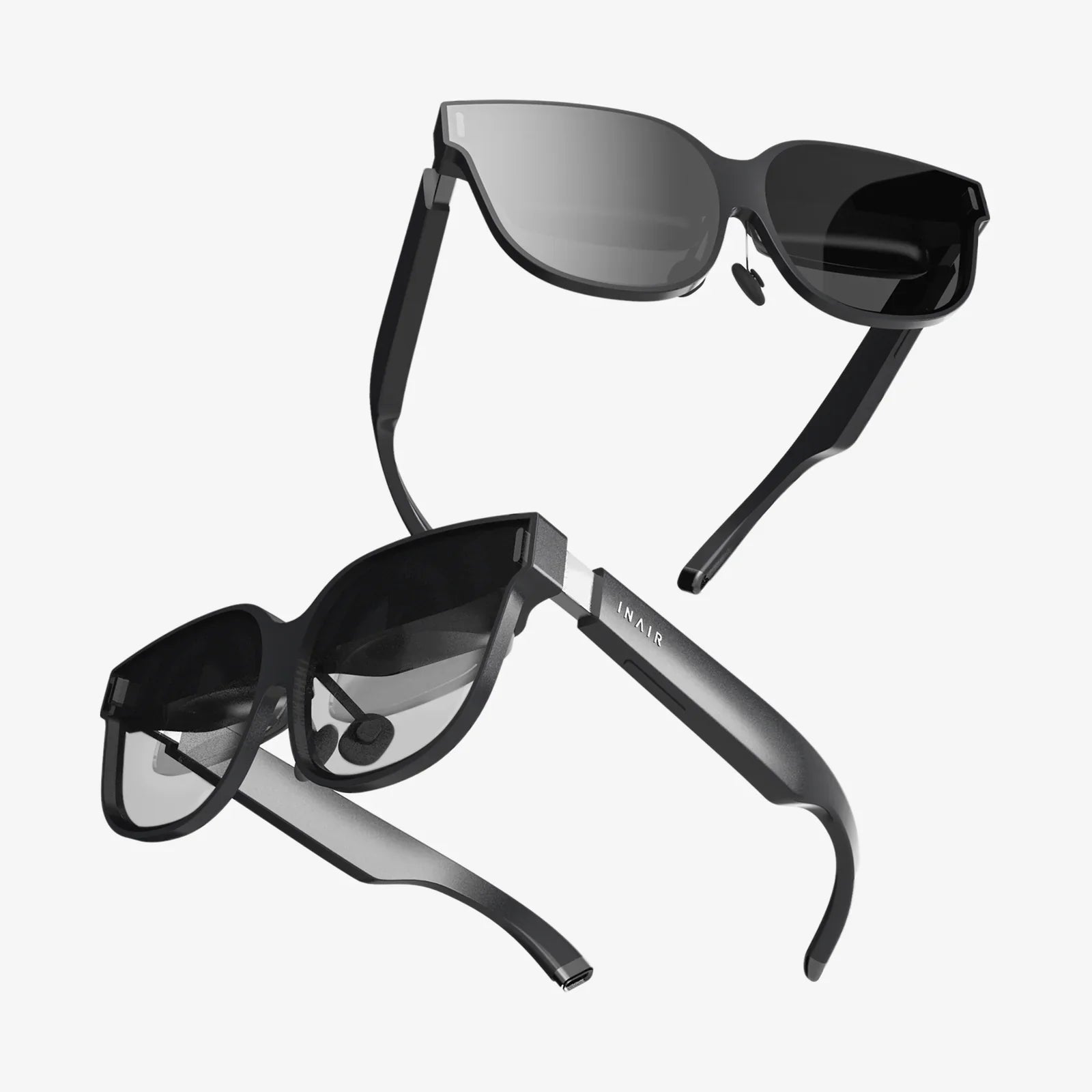
Imagine a world where the boundaries of physical reality are not constraints but merely suggestions, where a surgeon in one continent can guide a procedure in another, where a historian can walk through a meticulously reconstructed ancient city, and where the very nature of human connection and training is fundamentally redefined. This is not a distant science fiction fantasy; it is the tangible, exhilarating, and complex frontier being built today in laboratories, studios, and engineering hubs dedicated to virtual reality research and development. The race to craft the ultimate simulated experience is on, pushing the limits of technology, human perception, and creativity.
The Foundational Pillars of VR Technology
At its core, virtual reality research and development is an interdisciplinary marathon, not a sprint. It demands a symphony of advancements across several critical technological domains, each presenting its own unique set of formidable challenges.
The Pursuit of Visual Fidelity and Immersion
The human visual system is incredibly sophisticated, and fooling it into accepting a digital world as real is the primary goal. R&D in this area is a relentless pursuit of higher resolution, wider fields of view, and faster refresh rates. Researchers are developing advanced micro-displays with pixel densities that aim to surpass the resolving power of the human eye, a concept known as "retinal resolution." Simultaneously, expanding the field of view to mimic our natural peripheral vision is crucial for deep immersion, requiring complex optical engineering with multi-element lens systems to minimize distortion and chromatic aberration. Furthermore, combating latency—the delay between a user's movement and the visual update on the screen—is paramount. Any lag can break immersion and induce cybersickness. This drives innovation in high-speed display panels, predictive tracking algorithms, and ultra-efficient graphics rendering pipelines.
Mastering the Third Dimension: Audio and Haptics
Immersion is not a purely visual phenomenon. True presence in a virtual environment is achieved through 3D spatial audio and sophisticated haptic feedback. Audio R&D focuses on creating convincing soundscapes where audio cues originate from specific points in 3D space, changing dynamically as the user moves their head. This often involves advanced head-related transfer function (HRTF) modeling to personalize the experience for individual users.
Haptic technology, or the science of touch, is perhaps the most rapidly evolving frontier. Beyond simple controller vibrations, R&D is exploring everything from advanced force-feedback gloves that simulate the weight and resistance of virtual objects to full-body haptic suits using arrays of actuators. Even more experimental are areas like ultrasonic haptics, which use focused sound waves to create the sensation of touch in mid-air, and thermal feedback systems that can simulate warmth or cold. These technologies are vital for applications requiring delicate manipulation, such as virtual training for surgeons or mechanics.
The Engine Room: Processing Power and Connectivity
Creating these rich, interactive worlds in real-time demands immense computational power. A significant branch of VR R&D is dedicated to optimizing the entire graphics stack. This includes developing more efficient rendering techniques like foveated rendering—which leverages eye-tracking to render only the user's central focal point in high detail—and harnessing the power of cloud computing. The advent of high-speed, low-latency wireless networks like 5G is a game-changer, promising to offload intensive processing to remote servers, effectively untethering high-fidelity VR experiences from powerful local computers and making them more accessible.
The Intricate Dance of Software and Hardware Development
The magic of VR doesn't happen by hardware alone. It is the seamless, co-dependent integration of physical components with complex software ecosystems that brings a virtual world to life.
Building the Bones: Tracking and Interaction
Precise tracking of the user's head and body movements is non-negotiable. R&D in this field has evolved from external sensor-based systems to inside-out tracking, where cameras and sensors on the headset itself map the environment and track controllers. The next leap involves markerless inside-out body tracking, using machine learning and onboard sensors to track hands, fingers, and full-body movements without external hardware or wearable markers. This research is critical for achieving natural and intuitive interaction, moving beyond controllers to using our own hands as the primary interface.
Crafting the World: Game Engines and Development Tools
The software platforms used to create VR experiences are themselves products of intense R&D. Modern game engines have become incredibly powerful tools for VR development, but they require constant adaptation. Researchers and engineers are working on specific toolkits for VR prototyping, optimizing physics engines for virtual interactions, and creating more intuitive interfaces for artists and designers to build within 3D space. The goal is to democratize content creation, allowing experts from various fields, not just seasoned programmers, to build effective virtual simulations.
Simulating Reality: Physics and AI
For a virtual world to feel authentic, objects must behave as expected. This requires sophisticated physics engines that can simulate gravity, collision, fluid dynamics, and soft-body physics in real-time. Concurrently, artificial intelligence plays a dual role: powering intelligent non-player characters (NPCs) that can interact believably with users and optimizing system performance. AI-driven avatars are a major focus for social VR and training simulations, where realistic human-like behavior is essential.
Transforming Industries Through Applied Research
The value of VR R&D is proven not in the lab, but in its real-world impact. Across the globe, research initiatives are demonstrating VR's potential to revolutionize entire sectors.
Revolutionizing Healthcare and Medicine
Medical VR R&D is saving lives and improving outcomes. Surgeons use VR simulations to practice complex procedures risk-free, leading to increased proficiency and reduced operating times. Psychologists and neuroscientists are developing exposure therapy programs in controlled virtual environments to treat PTSD, phobias, and anxiety disorders. Rehabilitation is another booming area, with VR systems making physical therapy more engaging and allowing for precise motion tracking to measure patient progress. Researchers are even exploring VR for pain management, using immersive distraction to reduce the perception of acute pain.
Redefining Education and Corporate Training
Experiential learning is the gold standard, and VR is its ultimate expression. R&D here focuses on creating authentic learning moments. Medical students can dissect virtual cadavers, history students can witness historical events unfold around them, and astronomy students can navigate the solar system. In the corporate world, VR training for high-risk jobs—from offshore oil rig workers to airline pilots—provides a safe yet realistic environment to practice emergency protocols. Soft skills training, like public speaking or leadership, is also being transformed through practice in virtual environments with AI-powered audiences.
Engineering, Architecture, and Design
The phrase "seeing is believing" is paramount in design. VR R&D enables architects and engineers to step inside their blueprints long before ground is broken. This immersive design review process helps identify spatial issues, test lighting conditions, and experience ergonomic flow in a way 2D screens cannot match. Automotive and aerospace engineers use VR to prototype and interact with virtual models of vehicles and cockpits, streamlining the design process and reducing the need for physical prototypes, which saves immense time and resources.
Navigating the Ethical and Human Frontier
As with any powerful technology, VR R&D must be conducted with a keen awareness of its societal and ethical implications. This is not an afterthought but a critical parallel track of research.
The Data Dilemma: Privacy in a Perceptual Medium
VR systems are data collection powerhouses. They don't just track what you click; they can record your precise movements, gaze direction, physiological responses, and even vocal inflections. This biometric data is incredibly sensitive. A significant area of R&D is focused on developing privacy-by-design frameworks, ensuring data is anonymized, and creating clear user consent models. Researchers are grappling with questions of who owns this behavioral data and how it can be used ethically.
The Mind and Body: Psychological and Physiological Effects
Long-term effects of VR usage are still being studied. R&D must continue to address issues like cybersickness, visual fatigue, and the potential for dissociation between virtual and real worlds. Furthermore, the psychological impact of hyper-realistic experiences, especially negative ones, is a serious concern. Establishing ethical guidelines for content, particularly for vulnerable populations, is a vital ongoing conversation within the research community.
The Authenticity of Experience and Identity
As social VR platforms grow, research is delving into questions of identity and authenticity. How do we represent ourselves in virtual spaces? How do we build trust and form genuine connections through digital avatars? There is also the risk of "virtual escapism" and its impact on real-world relationships and responsibilities. These are not technical problems but human ones, and they require a multidisciplinary approach involving psychologists, sociologists, and ethicists working alongside engineers.
The journey into the virtual realm is one of the most ambitious technological undertakings of our time, blending raw processing power with a deep understanding of human sensation and psychology. It's a field where a breakthrough in optics can unlock new medical therapies, and an innovation in haptics can transform how we learn and work. The future being coded and engineered in VR labs today promises to blur the line between the digital and the physical, not to escape our reality, but to enhance, understand, and experience it in ways once confined to our dreams. The next time you witness a breathtaking virtual landscape or perform a task in a simulated environment, remember the immense, unseen world of research and development that made it possible—and know that the most incredible chapters are still being written.
Share:
Is Virtual Reality Beneficial? An In-Depth Exploration of Its Impact on Society
What Is The Future of Virtual Reality Technology - Beyond the Headset