


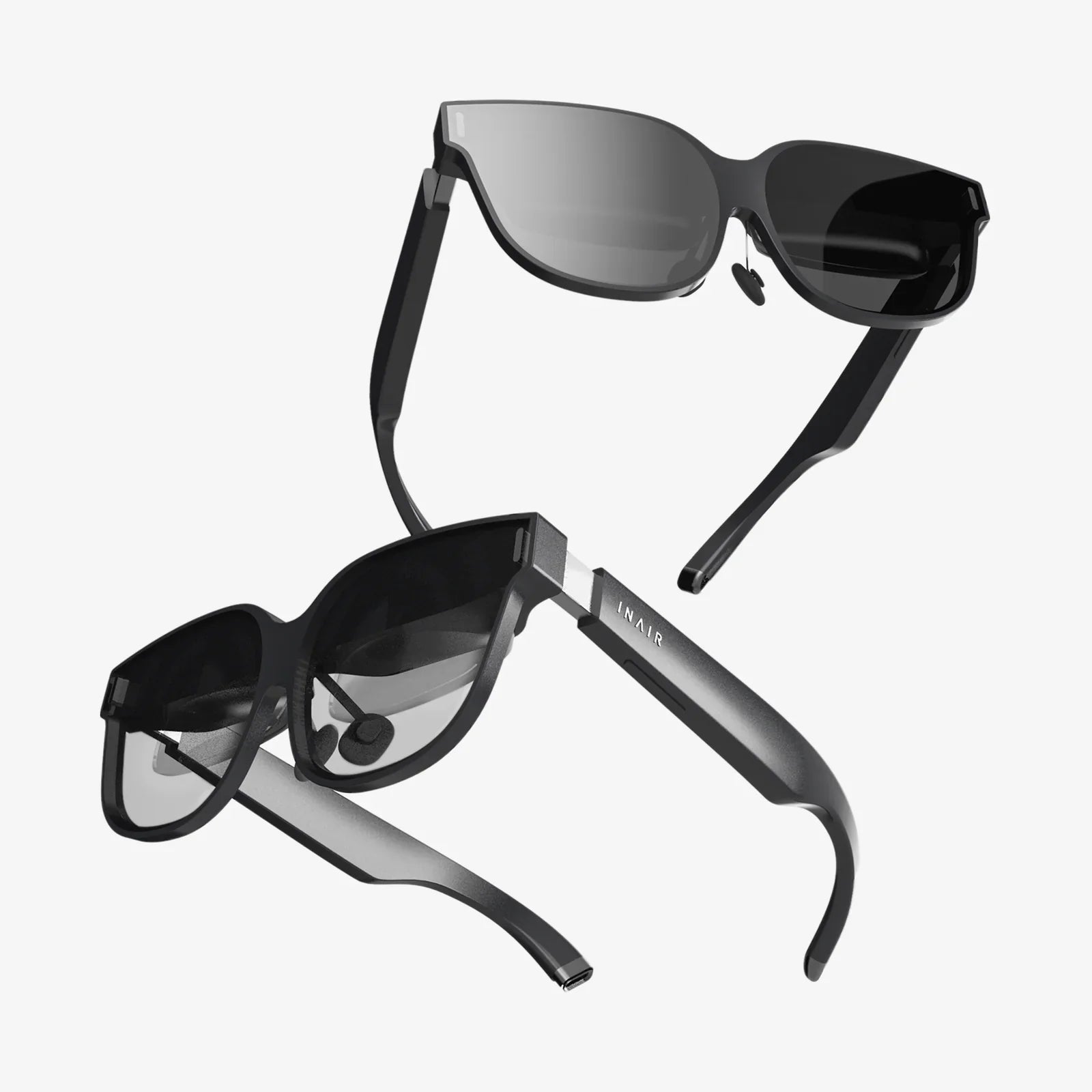
The digital frontier is expanding at a breathtaking pace, and at the heart of this transformation lies a technology once confined to the realms of science fiction. The economic forecasts for virtual reality are not just numbers on a spreadsheet; they are a testament to a paradigm shift in how we interact, work, and play. The staggering upward trajectory of virtual reality sales projections signals more than a thriving market—it heralds the dawn of a new experiential economy, a gateway to the metaverse that is rapidly moving from niche curiosity to mainstream necessity. This isn't merely about selling headsets; it's about quantifying the appetite for an entirely new dimension of human experience.
The Historical Context: From Prototype to Profit
To fully appreciate the current and projected state of virtual reality, one must first understand its journey. For decades, virtual reality was a technology perpetually "five years away," characterized by clunky hardware, prohibitively high costs, and limited software applications. Early sales figures were negligible, catering almost exclusively to research labs and dedicated enthusiasts. The market landscape began its seismic shift with critical advancements in core technologies. The development of high-resolution, low-persistence displays eliminated the lag and screen-door effect that caused user discomfort. Simultaneously, breakthroughs in inside-out tracking liberated users from external sensors, creating a more seamless and accessible experience. The arrival of robust, standalone headsets untethered from powerful computers was the final key that unlocked the mass market, setting the stage for the explosive growth we see reflected in modern sales projections.
Deconstructing the Numbers: What Projections Actually Mean
Virtual reality sales projections are typically segmented across several key metrics, each telling a different part of the story. Analysts and firms measure:
- Unit Shipments: The raw number of head-mounted displays (HMDs) shipped to retailers or consumers annually.
- Market Value: The total revenue generated from hardware sales, often broken down by device type (standalone, tethered, etc.).
- Software and Content Revenue: Projections for spending on applications, games, experiences, and subscriptions within virtual reality platforms.
- Enterprise vs. Consumer Split: A critical distinction, as adoption drivers and growth rates differ significantly between these two sectors.
These projections are not monolithic. They vary based on the scope of the study—some may focus solely on hardware, while others provide a holistic view of the entire ecosystem, including peripherals and content. The most optimistic forecasts paint a picture of a market worth hundreds of billions of dollars within the next decade, while more conservative models still predict steady, robust growth far outpacing many other consumer electronics sectors.
The Primary Catalysts Fueling Exponential Growth
Several powerful, concurrent forces are acting as rocket fuel for virtual reality adoption, directly influencing the bullish sales projections.
The Metaverse Vision
The concept of a persistent, interconnected network of virtual worlds has captured the imagination of the tech industry and the public alike. Virtual reality is widely considered the primary conduit for accessing rich, immersive metaverse experiences. This long-term vision has triggered massive investment in infrastructure and content development, creating a self-fulfilling prophecy where hardware sales are driven by the compelling software, and software investment is justified by a growing hardware install base.
Enterprise Adoption and the Future of Work
While consumer gaming gets much of the attention, the enterprise sector is a silent powerhouse driving sales. Companies are deploying virtual reality for:
- Training and Simulation: From training surgeons to teaching mechanics to repair complex machinery, virtual reality offers a safe, scalable, and cost-effective training environment.
- Design and Prototyping: Architects, engineers, and designers use virtual reality to visualize and iterate on 3D models in real scale, drastically reducing development time and costs.
- Remote Collaboration: As hybrid work becomes standard, virtual meeting spaces offer a sense of presence and shared context that flat video calls cannot replicate.
This corporate adoption represents a huge and reliable revenue stream, as businesses often purchase headsets in bulk and invest in enterprise-grade software solutions.
The Content Revolution
A platform is only as valuable as its content. The library of virtual reality experiences has evolved from simplistic tech demos to full-fledged, award-winning games, immersive social platforms, groundbreaking educational tools, and breathtaking cinematic experiences. This ever-expanding and improving content library is the single biggest driver for consumer purchases, creating a virtuous cycle where better content sells more hardware, which in turn attracts more developers.
Technological Advancements and Price Compression
As with any technology, virtual reality hardware is following a curve of improving performance and decreasing cost. Each new generation of headsets offers better resolution, wider fields of view, more intuitive controllers, and more comfortable ergonomics at increasingly accessible price points. This price compression is critical for crossing the chasm from early adopters to the early majority, a transition clearly reflected in sales projections that anticipate tens of millions of units shipped per year.
Challenges and Headwinds: Factors That Could Temper Projections
Despite the overwhelmingly positive outlook, the path forward is not without potential obstacles. Realistic sales projections must account for these headwinds.
- User Experience Friction: Issues like simulator sickness, battery life for standalone devices, and the overall weight and comfort of headsets remain barriers for some users. Continued technological refinement is essential.
- The "Killer App" Question: While the content library is rich, some analysts argue that a single, defining "killer app" outside of gaming—an experience so compelling it forces widespread adoption—has yet to emerge for the general public.
- Privacy and Security Concerns: Immersive technologies collect unprecedented amounts of biometric and behavioral data. How companies handle this data will be paramount to maintaining user trust.
- Economic Volatility: Global economic downturns can impact discretionary spending on consumer electronics and tighten corporate IT budgets, potentially slowing adoption rates in the short term.
Beyond the Headset: The Expanding Ecosystem
Modern virtual reality sales projections encompass far more than just headsets. The ecosystem is rapidly expanding to include:
- Haptic Feedback Gloves and Suits: Adding the sense of touch to deepen immersion.
- Omnidirectional Treadmills (ODTs): Allowing for natural locomotion within a limited physical space.
- Eye and Face Tracking: Technologies that enable more expressive avatars and new forms of interaction based on where a user is looking.
- Volumetric Capture Studios: For creating hyper-realistic digital humans and assets for use in virtual environments.
The growth of these peripheral markets is a direct multiplier effect, further inflating the total addressable market and creating new revenue streams that feed back into the health of the entire industry.
Regional Analysis: A Global Phenomenon with Local Variations
Adoption rates and sales figures are not uniform across the globe. North America and the Asia-Pacific region, particularly China, South Korea, and Japan, are currently leading in both consumer and enterprise adoption. Cultural attitudes towards gaming and technology, local manufacturing and supply chains, and government regulations all play a role in shaping regional markets. For instance, the use of virtual reality for industrial training may see faster adoption in manufacturing-heavy economies, while entertainment-focused applications may thrive in regions with strong media and gaming industries. Understanding these geographic nuances is crucial for any accurate long-term projection.
The numbers tell a compelling story, but they only scratch the surface of a deeper revolution. These virtual reality sales projections are the quantitative echo of a qualitative change in human-computer interaction. They represent millions of students exploring ancient Rome, thousands of teams collaborating across continents as if they were in the same room, and a new generation of creators building worlds limited only by their imagination. This isn't just a market growing; it's a new canvas for humanity being unfurled, and the demand to pick up the brush is proving to be utterly insatiable. The next chapter of the internet is being written in three dimensions, and everyone wants a front-row seat.
Share:
Virtual Reality is Amazing: A Deep Dive Into the Digital Frontier Reshaping Our World
Virtual Reality Headset Parts: The Intricate Anatomy of Immersive Technology