


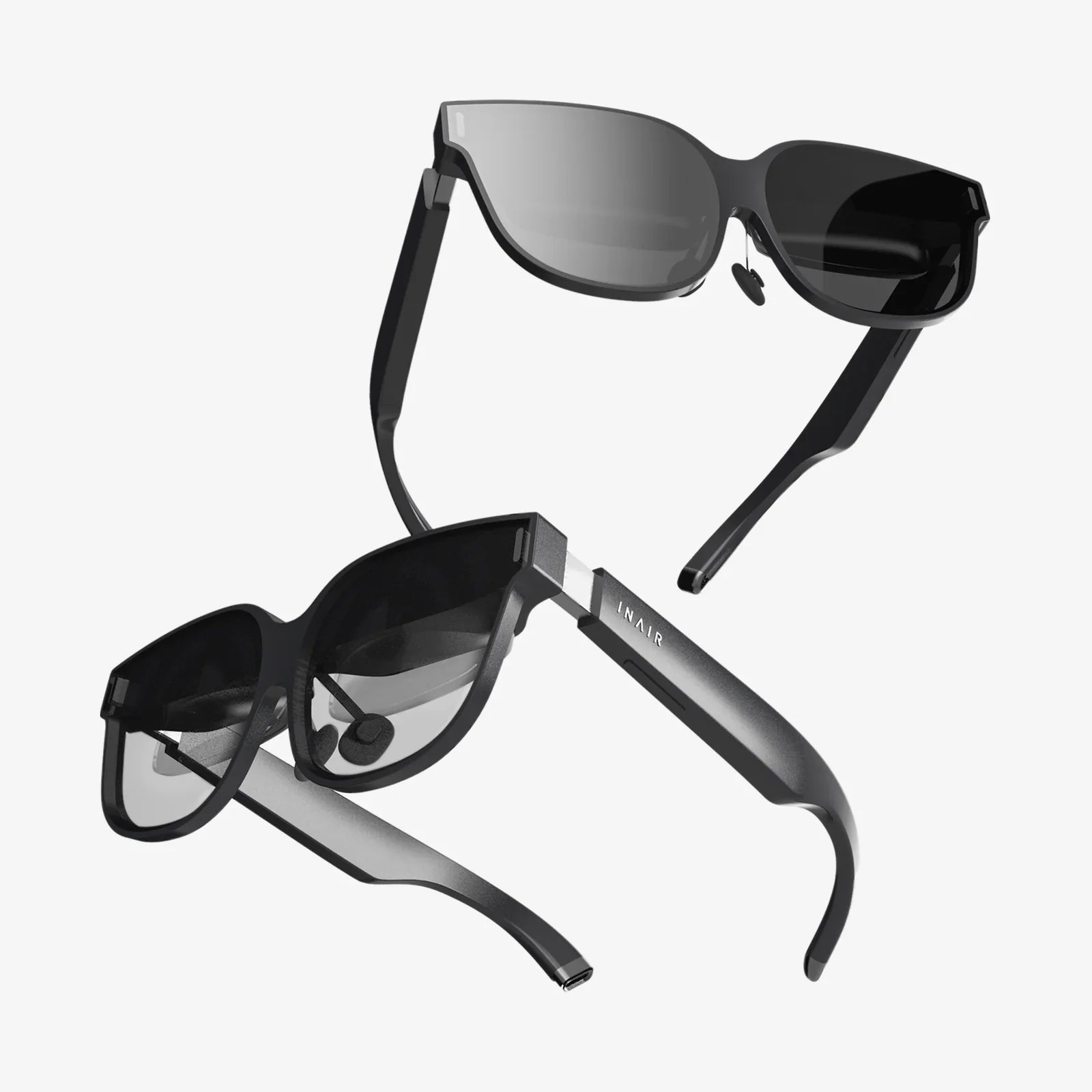
Imagine stepping into an interview not with a paper resume, but by guiding your potential employer through a breathtaking architectural model you built from the ground up, or by demonstrating a complex surgical procedure on a hyper-realistic patient without risk. This isn't a distant sci-fi fantasy; it's the tangible edge that virtual reality skills provide in today's competitive landscape. The world is on the cusp of a spatial computing revolution, and proficiency in creating, navigating, and manipulating virtual environments is fast becoming one of the most sought-after and future-proof capabilities a professional can possess. The ability to think, create, and solve problems in three-dimensional, interactive spaces is no longer confined to the gaming industry; it is permeating every sector, from manufacturing and healthcare to retail and remote collaboration, fundamentally reshaping the value we place on certain skills.
The Expanding Universe of Virtual Reality Proficiency
When most people hear "virtual reality skills," their minds might jump to putting on a headset and playing a game. However, the true depth of this skillset is vast and multifaceted. It can be broadly categorized into two interconnected domains: the technical skills required to build the virtual world, and the soft skills needed to thrive within it.
Technical Prowess: Building the New Reality
The architects of the metaverse possess a unique blend of talents. This foundation is built upon:
- 3D Modeling and Asset Creation: This is the bedrock. It involves using sophisticated software to create the objects, characters, and environments that populate a VR experience. This requires a keen understanding of form, texture, lighting, and optimization to ensure models are visually stunning but also efficient enough to run smoothly in a real-time engine.
- Game Engine Expertise: Platforms like Unity and Unreal Engine are the powerful tools that bring static 3D models to life. Skills here include world-building, lighting, physics simulation, scripting interactivity, and audio spatialization. A developer must understand how to create intuitive and comfortable movement systems, interactive objects, and a coherent sense of presence.
- Programming and Scripting: Particularly in C# (for Unity) and C++ (for Unreal Engine), coding is what makes a virtual world dynamic. It governs user interactions, AI behavior, game mechanics, and network connectivity for multi-user experiences.
- UX/UI Design for Spatial Computing: This is arguably one of the most critical and specialized skill sets. Traditional 2D screen-based user interface principles do not directly translate to VR. Designers must learn to create intuitive, diegetic (existing within the world itself) interfaces that users can interact with naturally using motion controllers, hand tracking, or gaze. Preventing simulator sickness through thoughtful design is a paramount concern.
- Optimization and Performance Profiling: A beautiful VR experience is useless if it stutters or causes discomfort. Skills in optimizing polygon counts, texture resolution, draw calls, and code efficiency are essential for maintaining a high, stable frame rate—a non-negotiable requirement for comfort.
The Human Element: Thriving in Immersive Environments
Beyond the code and assets, a different class of virtual reality skills is emerging—the human skills amplified and transformed by immersion.
- Spatial Awareness and Navigation: The ability to intuitively understand and move through a 3D space, mentally mapping virtual layouts and understanding scale and perspective from a first-person viewpoint.
- Virtual Collaboration and Communication: As remote work becomes standard, VR meeting spaces are evolving. This skill involves effectively using avatars, spatial audio, and shared virtual whiteboards to brainstorm, present, and build rapport with colleagues across the globe as if you were in the same room.
- Empathy and Perspective-Taking: VR's unique power is its ability to place you in someone else's shoes. This skillset involves both designing experiences that foster empathy (e.g., simulating life with a disability) and being open to the profound empathetic responses these experiences can generate.
- Adaptability and Digital Literacy: The virtual realm is constantly evolving. The skill here is a willingness to continuously learn new tools, interaction paradigms, and social norms that govern these emerging digital spaces.
Transforming Industries One Headset at a Time
The application of virtual reality skills is creating seismic shifts far beyond entertainment.
Healthcare and Medicine
Surgeons are using VR to pre-plan complex procedures, practicing on detailed virtual recreations of a patient's specific anatomy derived from CT and MRI scans. This reduces operation time and improves outcomes. Medical students are learning anatomy by dissecting virtual cadavers and practicing diagnoses in simulated emergency rooms. Furthermore, VR is proving highly effective for exposure therapy in treating PTSD, phobias, and anxiety disorders, and for motor rehabilitation in stroke patients, making therapy more engaging and data-driven.
Architecture, Engineering, and Construction (AEC)
Gone are the days of relying solely on blueprints and 2D screens. Architects and clients can now walk through unbuilt designs at a 1:1 scale, assessing spatial relationships, lighting, and materials long before ground is broken. This allows for invaluable feedback and changes at a stage where they are still inexpensive to make. Engineers use VR to prototype and interact with complex machinery, identifying potential design flaws and maintenance issues in a virtual space first.
Corporate Training and Education
From training retail employees to handle holiday rushes to preparing warehouse workers for new logistics software, VR provides a safe, scalable, and effective training environment. It allows for the practice of soft skills like public speaking and difficult conversations through role-playing with AI-powered avatars. In education, students can take virtual field trips to ancient Rome, the bottom of the ocean, or the surface of Mars, transforming abstract concepts into memorable, experiential learning.
Remote Work and Collaboration
VR is solving the inherent limitations of video conferencing. Instead of a grid of faces, teams can meet in a virtual boardroom, workshop, or creative space. They can co-create 3D models, brainstorm on infinite virtual whiteboards, and benefit from the non-verbal cues offered by spatial audio and avatar body language, fostering a much stronger sense of team cohesion and presence than traditional remote tools allow.
Cultivating Your Virtual Reality Expertise
Acquiring virtual reality skills is more accessible than ever, though it requires dedication and a structured approach.
- Start with the Fundamentals: Before diving into VR-specific concepts, build a strong foundation in 3D modeling (Blender is a powerful free tool) and core programming logic. Online platforms like Coursera, Udemy, and Skillshare offer extensive beginner courses.
- Choose an Engine and Specialize: Dive into either Unity or Unreal Engine. Both have immense learning resources and active communities. Start with small, achievable projects—like a simple interactive room—before scaling up to more complex ideas.
- Engage with the Community: Join forums, Discord channels, and subreddits dedicated to VR development. Attending game jams or VR-specific hackathons is an unparalleled way to learn quickly, collaborate, and build a portfolio.
- Practice the Soft Skills: Spend time in social VR platforms. Attend a virtual conference, a meetup, or just explore with friends. Pay attention to what makes interactions feel natural or awkward. This firsthand experience is invaluable, whether you aim to be a developer or a power user in your field.
- Focus on a Niche: The field is broad. Consider specializing in VR training simulation, architectural visualization, healthcare applications, or UX design. Becoming an expert in a specific vertical can make you exceptionally valuable.
The Future is Immersive
The trajectory is clear: our interaction with digital information is moving from flat screens to the three-dimensional space around us. As headsets become lighter, more affordable, and more powerful, their integration into daily work and life will accelerate. The demand for virtual reality skills will not plateau; it will explode. We will see new roles emerge that we can't yet conceive of—perhaps "virtual environment choreographer" or "immersive narrative designer" for corporate training. The line between "digital" and "physical" skills will continue to blur, until spatial literacy is as fundamental as computer literacy is today.
The businesses and professionals who recognize this shift now, who invest in building and honing their virtual reality skills, will be the ones leading their industries tomorrow. They will be the architects of our new shared reality, the doctors performing safer surgeries, the engineers building better products, and the teams collaborating without borders. This is not just about learning a new software suite; it is about acquiring a new literacy for a new dimension of human experience and productivity. The virtual door is open. The only question is, will you step through?
Share:
What's New in Virtual Reality: A Deep Dive Into the Next Digital Frontier
Augmented Reality Game: The Digital Layer Transforming Our Physical World