


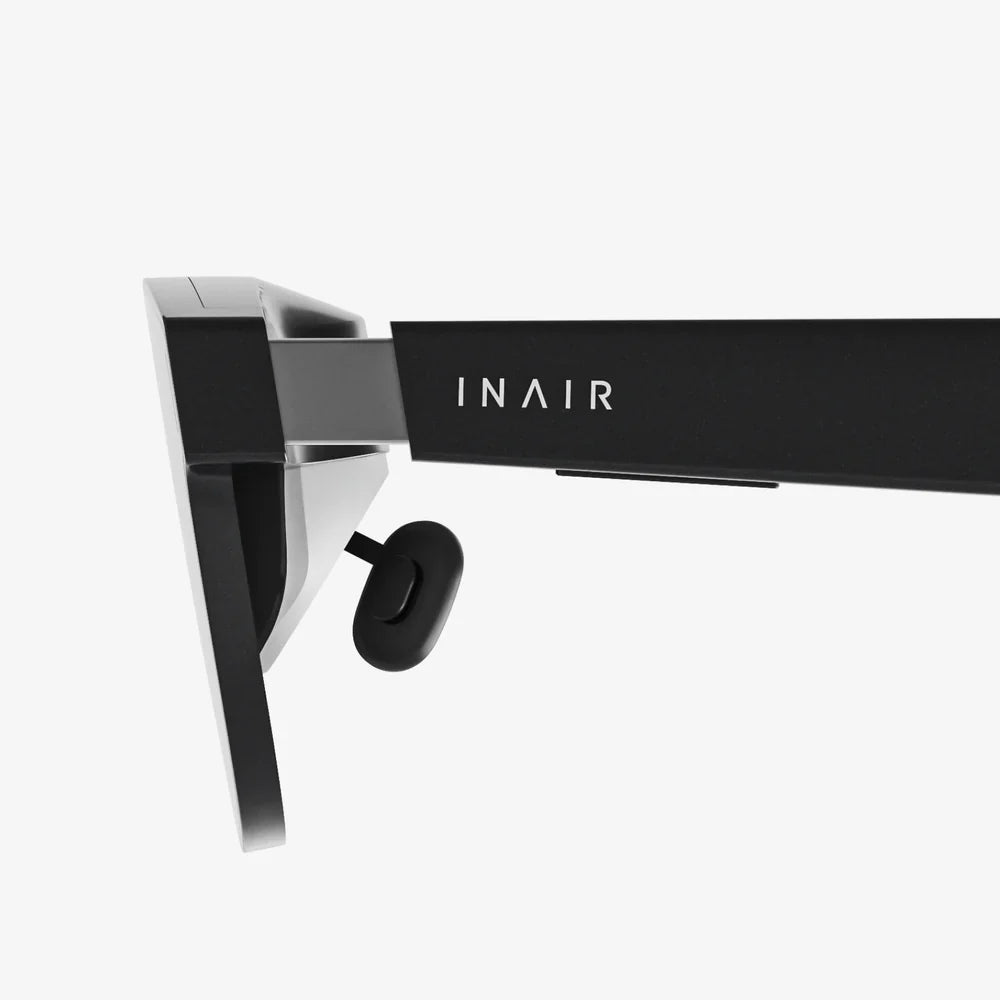
Imagine slipping a sleek headset over your eyes and instantly being transported—to the front row of a roaring concert, the serene depths of a coral reef, or a virtual classroom with a teacher from across the globe. This is no longer the stuff of science fiction; it's the accessible, awe-inspiring reality powered by the incredible ecosystem of virtual reality software for Android. The power to explore, create, and connect in fully immersive digital dimensions now fits in your pocket, waiting for you to hit download and step through the portal.
The Foundation: Understanding the Android VR Ecosystem
Before diving into the vast ocean of applications, it's crucial to understand what makes this technology tick. Virtual reality software for Android is not a monolithic entity but a vibrant, interconnected ecosystem built upon a few core pillars. At its heart is the mobile device itself, a compact powerhouse of processing chips, high-resolution displays, and a sophisticated array of sensors—gyroscopes, accelerometers, and magnetometers—that work in concert to track your head movements with astonishing precision. This hardware forms the canvas, but the software is the paint and brush.
The experience is typically delivered through a mobile headset, which can range from simple cardboard viewers to advanced standalone units with their own tracking systems. The software you choose dictates the experience. It processes the sensor data, renders the 3D environment from your perspective in real-time, and presents it on your screen, split for each eye to create the stereoscopic 3D effect that sells the illusion of depth and space. This seamless marriage of hardware and sophisticated code is what makes stepping into another world possible.
A Universe of Experiences: Categories of VR Software
The true beauty of the Android VR landscape lies in its staggering diversity. There is truly something for everyone, catering to a vast spectrum of interests and desires.
Gaming and Interactive Entertainment
For many, gaming is the primary gateway into virtual reality. This category pushes the boundaries of interactivity, placing you directly inside the action. Instead of moving a character with a controller, you become the character. Duck behind virtual cover, lean into a high-speed turn, or physically aim your weapon. Genres are expansive, including:
- Rhythm Games: Where you slash notes, dodge obstacles, and move to the beat in a supremely engaging workout.
- Puzzle Adventures: That require you to manipulate the environment with your hands, solving spatial conundrums in mysterious, often beautiful worlds.
- First-Person Shooters: Offering an intensity and level of immersion that flat-screen games simply cannot match.
- Simulations: Allowing you to pilot spacecraft, drive race cars, or engage in other thrilling activities from the safety of your home.
Educational and Exploratory Applications
Virtual reality is perhaps the most powerful educational tool ever invented. It transforms abstract concepts into tangible, explorable realities. Students can take a guided tour of ancient Rome, walking through the Forum and gazing up at the Colosseum as it once stood. They can journey through the human bloodstream, witnessing the inner workings of the body firsthand. Museums offer virtual wings, allowing anyone in the world to admire artifacts up close. Astronomy applications can place you on the surface of Mars or let you witness the birth of a star. This is passive learning replaced with active, unforgettable discovery.
Social VR and Connected Spaces
Human connection finds a new frontier in VR. Social platforms allow you to create a digital avatar and meet with friends, family, or colleagues in virtual spaces. You can watch movies together in a simulated theater, play board games in a cozy virtual lounge, attend a business meeting on a space station, or simply hang out and chat as if you were in the same room. These platforms are redefining remote interaction, adding a layer of presence and shared physical space that video calls lack, making distances feel smaller and interactions more meaningful.
Creative and Productivity Tools
Unleash your inner artist or architect with powerful creative suites. These applications allow you to sculpt 3D models from thin air, paint in three dimensions with virtual brushes, and design structures you can walk around and inside. The ability to create within a space, rather than just on a flat surface, unlocks new forms of artistic and functional expression. Furthermore, productivity apps are emerging that allow you to surround yourself with multiple virtual monitors and workspaces, creating a personalized and distraction-free digital office wherever you are.
Key Considerations Before You Dive In
To ensure a smooth and enjoyable journey, a few practical considerations are essential.
Device Compatibility and Performance
Not all Android devices are created equal for VR. The experience demands significant graphical and processing power. A mid-range or older phone may struggle with high-fidelity experiences, leading to lag, stutter, or a lower-resolution image that can break immersion and even cause discomfort. Always check the specific requirements for any application you wish to use. A device with a high-resolution display, a powerful processor, and a robust GPU is highly recommended for the best experience.
Understanding User Input
How you interact with the virtual world varies. Many experiences are designed for a simple Bluetooth gamepad, which works well for traditional navigation. More advanced software leverages a headset's built-in controller or, in some cases, requires specialized motion controllers that track your hand movements for a deeper level of interaction. Some innovative applications even use your phone's camera to track your hands without any controllers at all, offering a truly natural interface.
Comfort and Safety
VR is immersive, but it's important to practice good VR hygiene. Start with shorter sessions to acclimatize yourself and avoid motion sickness, which can affect some users. Ensure you have a clear, safe space to move around in to avoid bumping into furniture or walls. Take regular breaks, stay hydrated, and never use VR in situations where you need to be aware of your physical surroundings, such as while walking or driving.
Navigating the Digital Marketplace
The primary hub for discovering virtual reality software for Android is through dedicated sections on major app stores. These stores categorize applications, provide user reviews, ratings, and video previews, making it easy to find high-quality content. It's advisable to start with free applications or demos to gauge your interest and your device's capabilities before investing in premium experiences. Many developers offer lite versions that provide a compelling taste of the full product.
The Future is Now: Where Mobile VR is Headed
The trajectory of mobile VR is incredibly exciting. We are moving towards even more seamless and powerful experiences. The line between standalone headsets and smartphone-powered VR is blurring, with new technologies like inside-out tracking (where the headset itself maps the environment without external sensors) becoming more common. Advances in cloud computing could soon allow your phone to stream incredibly complex VR worlds without needing the local hardware to render them, much like streaming a movie. Furthermore, the integration of augmented reality (AR) features will allow digital objects to blend seamlessly with your real-world environment, creating mixed reality experiences that are both magical and practical.
The world of virtual reality software for Android is a testament to the incredible potential we hold in our hands. It is a continuously evolving landscape of creativity, innovation, and human connection. From heart-pounding games to profound educational journeys and new ways to work and socialize, these applications are not just programs on a phone; they are keys to countless other worlds. The portal is open, the experiences are waiting, and your next great adventure is just a tap away.
Share:
What Do Space Engineers Do? The Architects of Our Celestial Ambitions
Interactive 3D Animation: The Ultimate Guide to Immersive Digital Experiences