


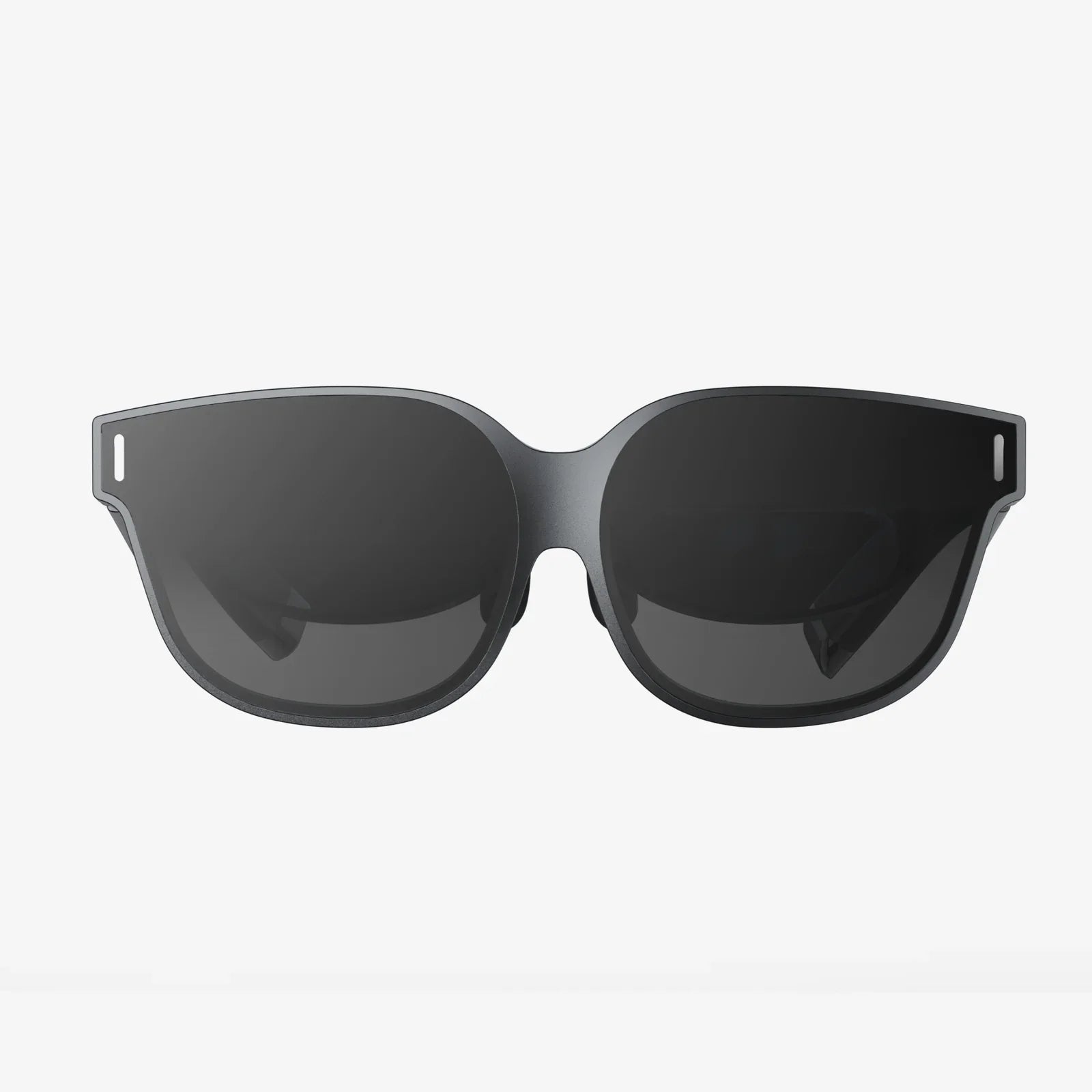
Imagine standing on the sun-baked plains of the Cradle of Humankind, a million-year-old fossil shimmering before your eyes, before instantly teleporting to a bustling township art studio in Cape Town, all without leaving your living room. This is not a glimpse into a distant future; it is the burgeoning reality taking root across South Africa today. The nation, with its complex tapestry of history, vibrant cultures, and stark contrasts, is emerging as an unexpected and thrilling frontier for virtual reality, a technology poised not just to entertain, but to educate, heal, and transform.
The Digital Veld: Laying the Foundation for a VR Ecosystem
The growth of any transformative technology is inextricably linked to the infrastructure that supports it. In South Africa, the VR landscape is being built upon a foundation of rapidly expanding fibre and LTE networks, bringing high-speed internet to a growing percentage of the population. While the digital divide remains a significant challenge, this improved connectivity is the first crucial pillar enabling the download of high-fidelity experiences and facilitating cloud-based VR solutions that require less local processing power.
Another critical factor is the proliferation of accessible hardware. The advent of sophisticated yet affordable standalone headsets has been a game-changer. Unlike their PC-powered predecessors, which required a significant financial investment in high-end computing equipment, these all-in-one devices have dramatically lowered the barrier to entry. This accessibility is vital in a market with diverse economic realities, allowing schools, small businesses, and individual creators to experiment and innovate without prohibitive upfront costs. Local tech hubs and innovation labs are increasingly stocking these devices, making them available to a new generation of developers and storytellers.
Furthermore, a vibrant community of passionate pioneers is driving the ecosystem forward. From meetups in Johannesburg and Cape Town to academic research at universities like the University of the Witwatersrand and Stellenbosch University, a collaborative spirit is fostering growth. This community is not merely importing global trends; it is actively asking how this technology can be harnessed to address uniquely South African challenges and opportunities, setting the stage for a homegrown VR revolution.
Beyond the Game: VR as an Educational Powerhouse
Perhaps the most profound application of VR in the South African context is in the realm of education. The technology's power for immersive learning is being leveraged to overcome historical disparities and resource limitations in the classroom.
Imagine a history lesson where students don't just read about the Battle of Isandlwana or the significance of Constitution Hill; they can stand witness to these pivotal moments. VR allows for the creation of powerful historical empathy machines, transporting learners to reconstructed environments that make the past tangible and emotionally resonant. This deep, immersive engagement can foster a more nuanced understanding of the nation's complex history, moving beyond textbooks to create a lasting impact.
In the sciences, the potential is equally staggering. A school with under-resourced laboratories can provide every student with a virtual, hands-on chemistry set or a biology lab where they can dissect a virtual frog or explore the human circulatory system from the inside out. Field trips become limitless—students can explore the ecosystems of the Kruger National Park, dive the coral reefs of Sodwana Bay, or even journey to Mars, all within the confines of their classroom. This democratizes access to high-quality educational experiences, levelling the playing field for learners from all backgrounds.
Moreover, VR is being used for critical skills training. From teaching safe driving habits in a risk-free environment to simulating complex procedures for engineering students, these virtual training grounds ensure proficiency and safety before individuals step into the real world. This application is particularly valuable in vocational training, helping to build a highly skilled workforce for the future.
A Tool for Healing: Revolutionizing Healthcare and Medicine
The healthcare sector in South Africa, which grapples with a high burden of disease and a vast disparity between urban and rural care, is finding a powerful ally in virtual reality. The applications range from training medical professionals to directly treating patients.
For medical students and surgeons, VR offers an unparalleled training platform. Complex procedures, from intricate neurosurgery to laparoscopic operations, can be rehearsed countless times in a hyper-realistic virtual environment. This practice builds muscle memory and surgical confidence without any risk to patients. It also allows for remote mentoring, where an experienced surgeon in Cape Town can guide a trainee in a rural Eastern Cape hospital through a procedure in real-time, as if they were standing side-by-side.
On the therapeutic front, VR is proving to be a remarkably effective tool for pain management and psychological treatment. Immersive, calming environments can distract burn victims during painful wound dressing changes, significantly reducing their perceived pain and anxiety. For patients dealing with phobias, anxiety, or post-traumatic stress disorder (PTSD), therapists are using controlled exposure therapy within VR. They can safely and gradually expose patients to their triggers in a manageable way, helping them to process and overcome their conditions. This has profound implications for a society dealing with the psychological aftermath of trauma and violence.
Furthermore, VR can bridge the vast geographical distances that often prevent access to specialist care. Through telepresence, a specialist can virtually "visit" a remote clinic, consulting with both local staff and patients in a more embodied and effective way than a simple video call could ever allow.
Preserving the Past, Showcasing the Present: Culture and Tourism
South Africa's rich cultural heritage and breathtaking tourism offerings are finding a new medium for expression through VR. The technology is becoming a dynamic tool for both preservation and promotion.
Endangered heritage sites, threatened by time, climate, or urban development, can be digitally preserved in meticulous detail. Using photogrammetry and 3D scanning, ancient San rock art, historical buildings, and significant landscapes can be captured and archived for future generations. These digital twins allow for detailed study and, crucially, for virtual public access to sites that may be too fragile or remote for physical tourism, ensuring their stories are not lost.
For the tourism industry, VR serves as the ultimate "try before you buy" experience. Potential visitors from across the globe can take a virtual walk through a Kapama Private Game Reserve lodge, experience the thrill of a virtual game drive, or feel the mist from Victoria Falls on their face. These immersive previews are powerful marketing tools, enticing travellers by offering a visceral taste of the adventure that awaits. It allows tour operators to showcase the beauty and diversity of the nation in a deeply engaging format, boosting a vital sector of the economy.
Moreover, local artists and cultural institutions are embracing VR as a new canvas. They are creating immersive art installations, virtual theatre experiences, and interactive narratives that tell uniquely South African stories. This fosters a new form of cultural export, allowing global audiences to experience the creativity and vibrancy of the nation's art scene in a profoundly personal way.
Navigating the Obstacles: Challenges on the Road Ahead
Despite its immense promise, the path forward for virtual reality in South Africa is not without its significant hurdles. The most prominent challenge remains the persistent digital divide. The cost of data, the availability of reliable high-speed internet in rural and underserved areas, and the affordability of hardware itself create a risk of a new form of inequality—an immersive divide. If not addressed proactively, VR could become a tool that amplifies existing social and economic gaps rather than closing them.
Content creation also presents a challenge. To avoid simply consuming Western-centric narratives, it is imperative to develop local content that reflects local realities, languages, and stories. This requires investing in and supporting a diverse pipeline of South African creators, developers, and storytellers who can wield this technology to share their own perspectives. Building this capacity is essential for an authentic and sustainable VR ecosystem.
Finally, as with anywhere else in the world, the ethical considerations of such an immersive technology must be carefully considered. Issues around data privacy, psychological effects, and the potential for misuse need to be part of the ongoing conversation as the technology evolves within the South African context. Developing clear ethical guidelines and fostering digital literacy will be key to ensuring VR is used responsibly and for the benefit of all.
Building an Inclusive Future: The Potential for Social Impact
The true test of any technology is its ability to effect positive social change. In South Africa, VR's potential here is perhaps its most exciting aspect. Urban planners and architects are using VR to create immersive models of proposed housing developments or public spaces, allowing communities to visualise and provide feedback on projects that will directly affect them long before construction begins. This fosters participatory democracy and ensures that development is people-centred.
VR can also be a powerful tool for empathy and social cohesion. By creating experiences that allow users to literally "step into the shoes" of someone from a different background, culture, or lived experience, it can break down prejudices and build bridges of understanding in a society still healing from the divisions of the past. These empathy-driven narratives have the power to humanise complex social issues in a way that statistics and news reports often cannot.
Furthermore, for individuals with physical disabilities that limit their mobility, VR can offer new forms of freedom and experience. It can provide access to social events, cultural institutions, and natural wonders that were previously inaccessible, offering a profound improvement in quality of life and social connection.
The journey of virtual reality in South Africa is just beginning. It is a story not of a ready-made imported product, but of a technology being actively shaped, adapted, and reimagined to meet local needs and amplify local voices. From the classrooms of Limpopo to the surgical theatres of Gauteng, from the ancient landscapes of the Karoo to the digital startups of Silicon Cape, a new reality is being constructed. It is a collaborative effort to ensure that this powerful tool becomes a bridge to a more educated, healthy, and connected future for all South Africans, building a digital nation that is as diverse and resilient as its people.
Share:
How to Adjust a Window: The Ultimate Guide to a Perfect Fit
How to Adjust a Window: The Ultimate Guide to a Perfect Fit