


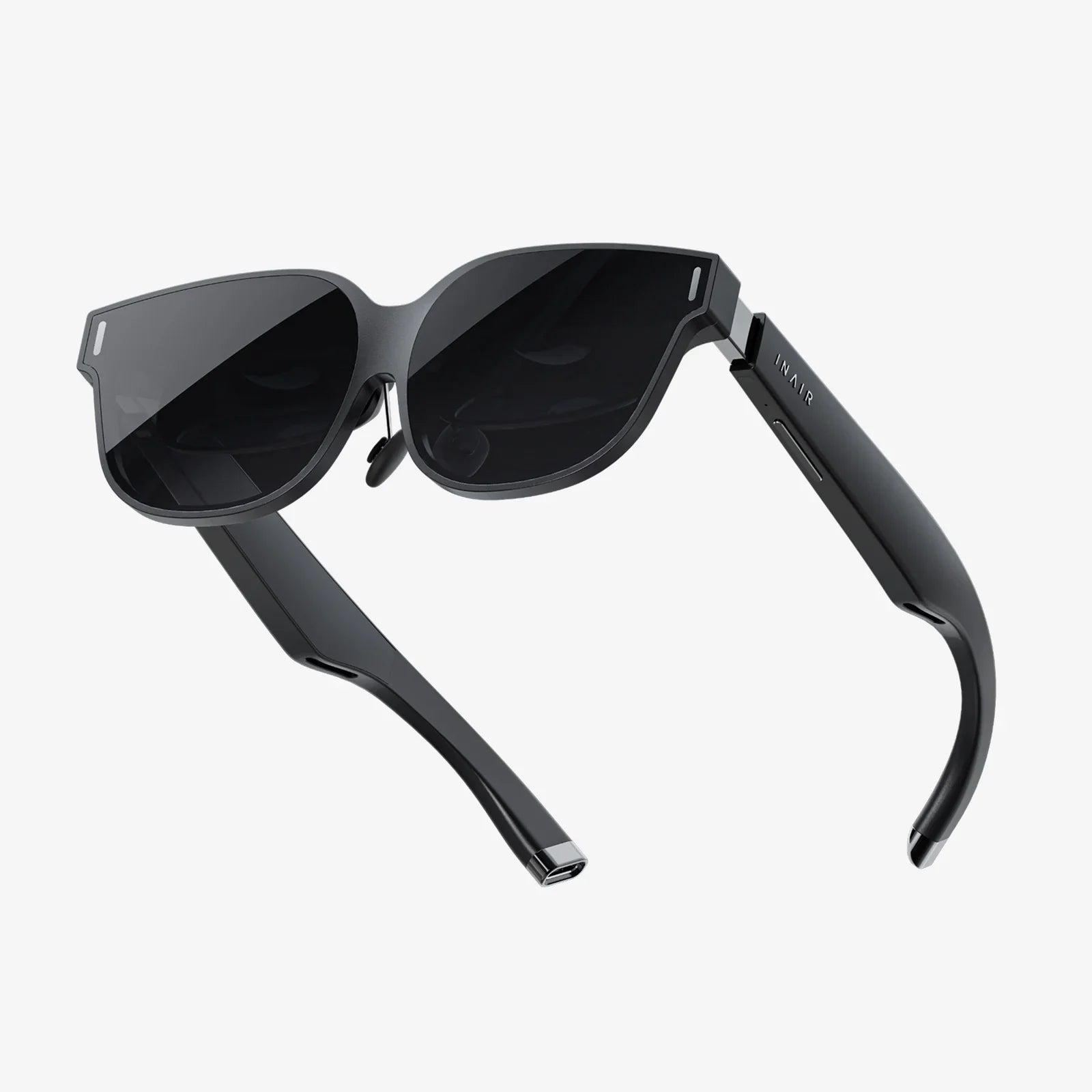
Imagine slipping on a headset and instantly being transported to the front row of a concert on the other side of the world, walking on the surface of Mars, or practicing a complex surgical procedure on a perfectly simulated patient. This is no longer the stuff of science fiction; it is the tangible, exhilarating, and rapidly evolving reality of virtual reality stuff. This technology, once a distant dream, is now crashing into our lives, promising to redefine everything from how we work and learn to how we connect and escape. The door to infinite experiences is opening, and it’s time to step through.
The Core Components: Deconstructing the Virtual Reality Experience
At its heart, virtual reality is an experience engineered to trick the human brain. It's a sophisticated orchestration of hardware and software designed to create a convincing, interactive, and immersive digital world. Understanding the core components is key to appreciating the magic.
The Head-Mounted Display (HMD): Your Window to Another World
The most recognizable piece of virtual reality stuff is the headset, or HMD. This is the device you wear that replaces your natural vision and hearing with a digital alternative. Modern HMDs are technological marvels, packing high-resolution displays (one for each eye), a complex array of sensors, and integrated audio systems. The primary goal of the HMD is to achieve a critical trifecta: high resolution to ensure visual clarity, a high refresh rate to ensure smooth motion and prevent nausea, and a wide field of view to fill your peripheral vision and deepen the sense of immersion.
Tracking Systems: The Art of Knowing Where You Are
For a virtual world to feel real, your movements in the physical world must be perfectly mirrored within it. This is the job of the tracking system. Using a combination of accelerometers, gyroscopes, and external cameras or lasers (for outside-in tracking) or inward-facing cameras that map your environment (inside-out tracking), the system constantly calculates the position and orientation of your head and, often, your controllers. This precise, low-latency tracking is what allows you to lean in to examine a virtual object, duck under a virtual barrier, or throw a virtual ball with natural motion.
Controllers and Haptics: Bringing Your Hands into the Game
Immersion is broken the moment you have to fumble for a traditional keyboard and mouse. VR controllers are specifically designed to be natural extensions of your hands in the digital realm. They are tracked in 3D space and feature buttons, triggers, joysticks, and haptic feedback motors. Haptics—the use of tactile feedback—is a crucial frontier. Simple vibrations simulate the recoil of a gun or the impact of a tennis ball on a racket. More advanced systems are exploring finger tracking for natural gestures and even force feedback to simulate the weight and resistance of virtual objects.
The Computational Engine: The Unseen Powerhouse
Rendering two high-resolution, high-frame-rate streams of complex 3D environments in real-time is an immensely demanding computational task. This processing can be handled by a powerful external device, like a gaming console or a high-end computer, which is tethered to the headset, or it can be done internally within a standalone headset. The choice involves a trade-off between ultimate graphical fidelity and cordless freedom and accessibility.
Beyond the Hype: Practical Applications Changing Industries
While gaming and entertainment are the most visible applications, the true transformative power of virtual reality stuff lies in its practical, real-world uses that are solving problems and enhancing lives today.
Revolutionizing Education and Training
VR offers the ultimate learning tool: experiential learning. Instead of reading about ancient Rome, history students can take a guided tour through a meticulously reconstructed Forum. Medical students can practice intricate surgical procedures on virtual anatomy, making mistakes without consequences. Astronauts, pilots, and heavy machinery operators can train in high-risk scenarios within perfectly safe simulated environments. This "learning by doing" in VR leads to significantly higher knowledge retention and skill acquisition compared to traditional methods.
Transforming Healthcare and Therapy
The healthcare sector is embracing VR for both treatment and therapy. Surgeons use VR to plan complex operations by practicing on a patient-specific 3D model. For physical rehabilitation, VR games can make repetitive exercises engaging and fun, motivating patients to complete their regimens. Perhaps most remarkably, VR is proving highly effective in exposure therapy for treating phobias (like fear of heights or flying) and PTSD, allowing therapists to gently expose patients to triggering stimuli in a controlled, safe environment.
Redefining Remote Work and Collaboration
The concept of the "virtual office" is being reborn in VR. Instead of a grid of faces on a video call, colleagues from across the globe can meet as lifelike avatars in a shared virtual boardroom, workshop, or creative space. They can interact with 3D models of products, brainstorm on virtual whiteboards, and share body language and spatial cues that are lost in traditional teleconferencing. This fosters a much stronger sense of presence and collaboration, making remote work more human and effective.
Unlocking New Frontiers in Design and Architecture
Architects, engineers, and interior designers are using VR as the ultimate preview tool. Instead of relying on blueprints and 3D renders on a screen, they can step inside their designs at a 1:1 scale before a single brick is laid. They can experience the flow of a space, test sightlines, and identify potential design flaws that would have been costly to fix during construction. Clients can take a walkthrough of their future home or building, providing feedback based on lived experience rather than imagination.
The Human Factor: Challenges and Considerations
For all its promise, the path of virtual reality is not without its obstacles. Addressing these human-factor challenges is essential for widespread adoption.
The Comfort Conundrum: Simulator Sickness and Ergonomics
A significant portion of users experiences VR-induced nausea, often called simulator sickness. This occurs when there's a disconnect between what the eyes see (movement) and what the vestibular system in the ears feels (stillness). Developers combat this with techniques like snap-turning, motion vignettes, and ensuring high, stable frame rates. Furthermore, headset ergonomics—weight distribution, foam comfort, and adjustability—are critical for encouraging longer, more comfortable sessions.
The Social Dilemma: Isolation and the Metaverse
As we don headsets to visit virtual worlds, a valid concern is that it might lead to greater physical social isolation. The counter-argument is that VR enables powerful new forms of social connection across vast distances. The emerging concept of the "metaverse"—a persistent network of shared virtual spaces—promises a new social internet where interaction is embodied and spatial. The challenge will be to build these spaces with an emphasis on positive social interaction, safety, and ethical guidelines to prevent the harassment and toxicity that can plague online spaces.
Privacy and Data Security in an Immersive World
VR systems collect a staggering amount of intimate data. Beyond basic usage metrics, they can track precise body movements, eye gaze, pupil dilation (which can indicate arousal or interest), and even map the user's physical environment. This data is incredibly valuable for improving experiences but also represents a privacy goldmine. The industry must establish robust, transparent data policies and give users clear control over their biometric information to build and maintain trust.
The Horizon: What's Next for Virtual Reality?
The technology is still in its relative infancy, and the future holds even more breathtaking possibilities. Several key advancements are on the horizon that will push immersion to near-perfect levels.
Hyper-Realistic Graphics and Haptics
Advancements in display technology, like varifocal lenses that mimic how our eyes naturally focus, and foveated rendering, which renders the center of your gaze in high detail while saving processing power on the periphery, will make visuals indistinguishable from reality. Haptic technology will evolve from simple vibrations to full-body suits and gloves that can simulate touch, temperature, and pressure, allowing you to truly feel the virtual world.
The Path to True Augmented Reality Integration
The line between Virtual Reality (fully digital) and Augmented Reality (digital overlays on the real world) will blur. Future headsets might seamlessly switch between VR and AR modes, allowing you to interact with digital information and objects anchored in your living room before diving into a fully fictional universe. This mixed reality represents the ultimate computing platform, contextualizing the digital world within our physical one.
Brain-Computer Interfaces (BCIs)
The final frontier of immersion may lie in bypassing controllers entirely. Emerging research into BCIs aims to read neural signals to control virtual environments directly with your thoughts. Imagine wanting to push a virtual button and simply thinking the action to make it happen. This technology is decades away from consumer use but points to a future where the barrier between mind and digital reality dissolves entirely.
The journey into the virtual is just beginning. This is not merely about newer gadgets or more impressive games; it is about fundamentally expanding the human experience. It’s about granting access to the inaccessible, making the dangerous safe to practice, and connecting us in ways that feel profoundly real, regardless of physical distance. The virtual reality stuff of today is the foundation for a future where our digital and physical lives are seamlessly intertwined, unlocking a new chapter of human creativity, connection, and exploration. The only limit will be our imagination.
Share:
AR Cycling Glasses: The Ultimate Fusion of Performance, Safety, and Data on Two Wheels
AI Hardware Market Share: The Intense Battle for Silicon Supremacy