


Remember when putting on a headset meant disconnecting from the world around you? That quaint notion is officially obsolete. The virtual reality technology updates of 2025 aren't just about sharper screens or more comfortable straps; they represent a fundamental reimagining of our relationship with digital information and each other. We are witnessing the dawn of a new interface, one that doesn't sit on a desk but exists all around us, blending bits and atoms into a cohesive experience. This is the year VR truly grows up, shedding its gaming-centric skin to become an indispensable tool for work, creativity, and human connection. The future is no longer something we watch on a screen; it's a space we step into.
The Hardware Leap: Invisible Tech with Visible Impact
The most immediate and tangible virtual reality technology updates for 2025 are found in the hardware itself. After years of incremental improvements, this year's advancements feel revolutionary, primarily because the technology itself is beginning to fade into the background.
The End of the Bulky Headset
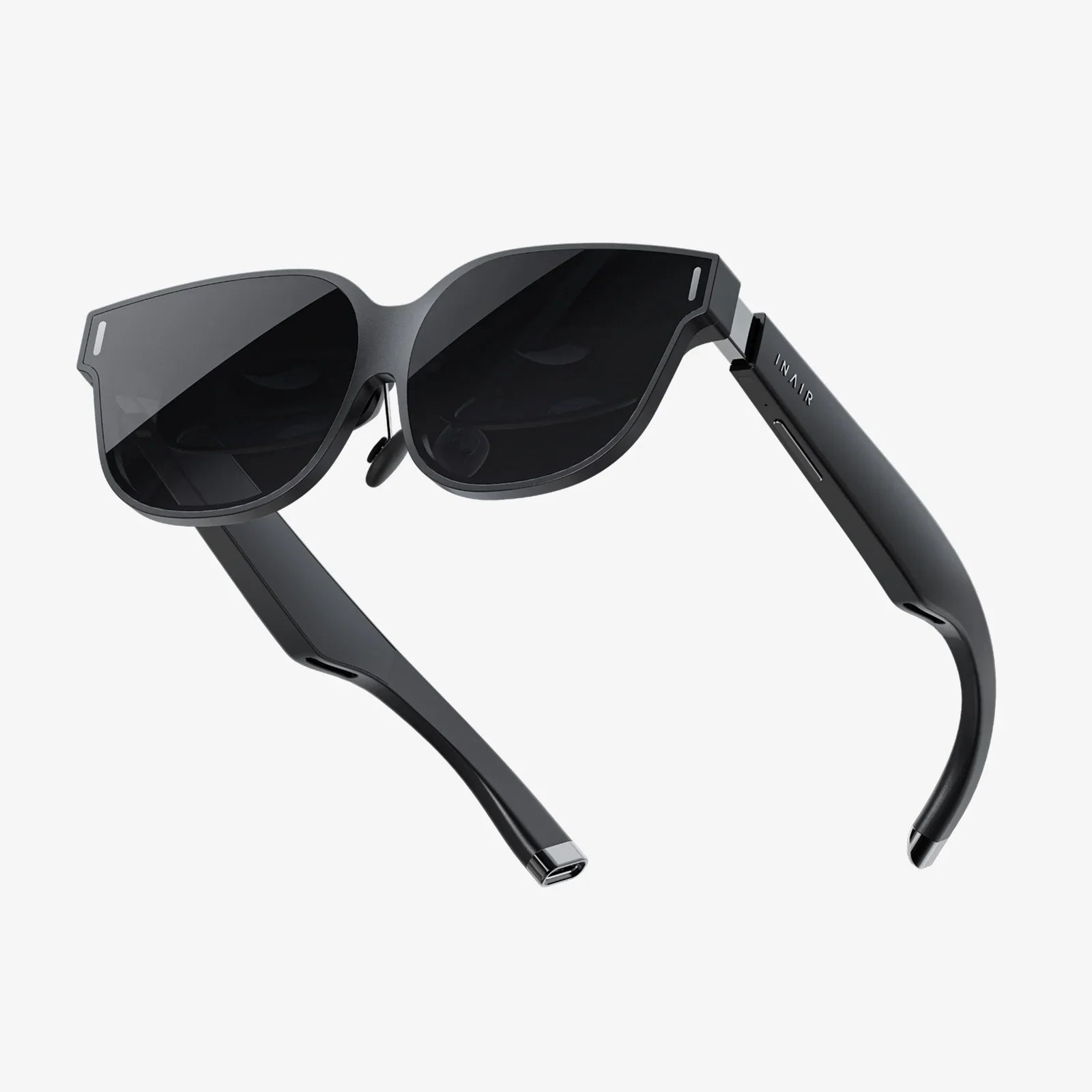
The quest for a smaller, lighter, and more socially acceptable form factor has reached a critical milestone. New flagship devices have shed significant weight and volume, moving away from the ski-goggle look towards something resembling sleek, futuristic sunglasses. This is made possible by several key innovations. Advanced pancake lenses have become the industry standard, allowing for a drastically reduced distance between the display and the user's eyes. Furthermore, the shift to micro-OLED displays provides incredibly high pixel density and vibrant colors while consuming less power and space. The result is a device you can comfortably wear for hours, and perhaps even consider wearing in public.
Visual Fidelity: The Quest for Photorealism
Resolution and refresh rates have finally crossed the threshold into what experts call “retina quality” in VR. With per-eye resolutions exceeding 4K and refresh rates dynamically scaling up to 120Hz, the dreaded screen-door effect—where users could see the fine lines between pixels—is now a relic of the past. The more significant leap, however, is in High Dynamic Range (HDR) capabilities. For the first time, VR headsets can display a range of luminance that mirrors the real world, from the deep blacks of a shadowy corner to the brilliant glare of a virtual sun. This adds a layer of depth and realism that was previously impossible, making virtual environments feel tangible and authentic.
Haptics and Sensory Immersion
Visuals are only one part of the immersion puzzle. The virtual reality technology updates of 2025 have placed a massive emphasis on touch and feel. Next-generation haptic feedback systems have evolved from simple vibrations in controllers to sophisticated, full-body experiences. We now see consumer-grade haptic gloves that provide nuanced force feedback, allowing users to feel the shape, texture, and weight of virtual objects. Some advanced systems even incorporate temperature control, subtly heating or cooling to simulate touching a sun-warmed rock or holding a glass of ice water. This multi-sensory input is crucial for convincing your brain that the digital world is real.
The Software Revolution: AI and the Spatial Web
Powerful hardware is useless without intelligent software to drive it. The virtual reality technology updates in software and ecosystem development are arguably even more transformative than the physical hardware.
The AI Co-Pilot and Generative Environments
Artificial intelligence is the invisible engine powering the 2025 VR revolution. AI is no longer just for enemy behavior in games; it's a core part of the user interface. A ubiquitous “AI co-pilot” can now be summoned in any application, using natural language commands to help you navigate complex menus, retrieve information, or control the virtual environment. Furthermore, generative AI is being used to create dynamic, ever-changing worlds. Instead of pre-rendered, static environments, new platforms can generate landscapes, buildings, and even intricate objects on the fly based on textual descriptions, creating a truly limitless canvas for exploration and creation.
Passthrough AR and the Blended Reality
The strict boundary between Virtual Reality and Augmented Reality has completely dissolved. High-fidelity, full-color video passthrough is now standard, allowing users to switch from a fully immersive virtual world to an augmented view of their physical surroundings with a simple tap or voice command. The key update here is the use of on-device AI to understand the geometry of your room in real-time. Your headset doesn't just show you a video feed; it recognizes your couch, your desk, and your window, allowing virtual objects to interact with them realistically. A virtual character can now sit on your real couch, or a virtual monitor can be anchored perfectly to your physical wall. This blended reality, or spatial computing, is becoming the primary mode of interaction.
The Rise of the Universal Avatar
Interoperability is the new buzzword. A major pain point of previous VR ecosystems was being locked into a single platform with an avatar that couldn't travel. 2025 has seen the emergence of open standards for digital identity. Your highly detailed, expressive avatar—scanned from your real-life likeness or crafted as a digital persona—can now journey with you across different applications and virtual worlds, from business meetings to social hubs to games. This persistence of identity is fundamental to building a coherent sense of self and community in the digital sphere.
Transformative Applications: Beyond Entertainment
While gaming remains a powerful driver, the most compelling virtual reality technology updates are happening in enterprise, healthcare, and social connectivity.
Remote Work and the Virtual Office
The concept of the “office” has been permanently altered, and VR is at the forefront of this change. Remote work in 2025 is no longer about flat video calls on a monitor. Spatial computing platforms allow distributed teams to gather in a virtual office that feels authentic. They can share 3D models, write on virtual whiteboards that feel physical, and experience the subtle body language and presence of their colleagues through advanced avatar expressiveness. This mitigates the isolation of remote work and fosters a level of collaboration that was previously impossible outside a physical room.
Healthcare: From Simulation to Operation
The applications in healthcare have moved beyond training simulations. Surgeons now use AR overlays during complex procedures, having vital statistics and 3D imaging of a patient's anatomy projected directly onto their field of view. Therapists are using exposure therapy in meticulously controlled virtual environments to treat PTSD and phobias. Perhaps most importantly, VR is becoming a standard tool for physical rehabilitation, turning repetitive exercises into engaging games that dramatically improve patient motivation and outcomes.
The New Social Fabric
Social VR platforms have evolved into vibrant digital city-states. People are attending live concerts with friends from across the globe, feeling as if they are in the same front-row crowd. They are visiting virtual museums and discussing art with docents and other visitors. Families are gathering for holidays in customizable virtual spaces, sharing experiences despite being thousands of miles apart. These are not replaced interactions; they are new forms of connection that add a rich layer to our social fabric.
The Challenges on the Horizon
This rapid evolution is not without its significant hurdles. The virtual reality technology updates of 2025 bring a new set of ethical and societal questions to the forefront.
The collection of biometric data—eye tracking, facial expression, even brainwave patterns—is unprecedented. This data is incredibly valuable for improving user experience but also creates a privacy nightmare if mishandled. Who owns this data? How is it used? Robust new regulations and transparent corporate policies are urgently needed.
Furthermore, as these worlds become more compelling and realistic, the potential for addiction and a blurring of reality becomes more pronounced. The societal impact of a mass migration to persistent virtual worlds is unknown. Establishing digital wellness tools and fostering a healthy balance between the virtual and the physical will be one of the great challenges of the coming decade.
Finally, the issue of access remains. While prices are falling, advanced VR/AR gear is still a significant investment. There is a very real risk of creating a “digital divide,” where a portion of the population is excluded from these new forms of work, education, and social interaction, exacerbating existing inequalities.
The virtual reality technology updates of 2025 have not just moved the goalposts; they have built an entirely new playing field. The technology has transitioned from a novel toy to a profound platform that will reshape how we learn, work, heal, and play. The headset is becoming a portal, and the digital world is waiting on the other side, not as an escape, but as an enhancement of everything we do. The conversation has shifted from ‘if’ this will become mainstream to ‘how’ we will navigate the incredible opportunities and serious responsibilities it brings. One thing is certain: our reality will never be the same.
Share:
Whatever Happened to Virtual Reality - The Quiet Evolution of a Technological Revolution
Black Series Virtual Reality Goggles: The Ultimate Portal to Immersive Digital Worlds