


- by wangfred
Virtual Reality: The Unseen Revolution Reshaping Our World
- by wangfred
Imagine stepping through a portal into another world, a space where the only limit is imagination itself. This is the tantalizing promise of virtual reality, a technology that has burst from the pages of speculative fiction to become one of the most dynamic and disruptive forces of the 21st century. It’s no longer a distant future concept; it’s here, and it’s quietly weaving itself into the fabric of our daily lives, professions, and social interactions in ways both obvious and astonishingly subtle.
The concept of immersive, artificial worlds is not new. For decades, it lived comfortably in the realm of science fiction, a fantastical idea explored in novels and films. The journey from that fantasy to the functional, commercially available technology we have today is a story of relentless innovation. Early prototypes were monstrously expensive, technologically clunky, and offered only a primitive glimpse of immersion, often causing disorientation and nausea. They were tools for vast research institutions and military applications, far removed from public consciousness.
The turning point arrived with a perfect storm of technological advancement. The exponential growth in processing power, the miniaturization of high-definition displays, and the development of sophisticated motion-tracking systems finally converged to make consumer-grade virtual reality not just possible, but powerful. This evolution transformed it from a novel gaming peripheral into a comprehensive computing platform, a new medium for storytelling, and a blank canvas for human creativity.
While entertainment, particularly gaming, served as the initial and most visible driver for adoption, the true potential of virtual reality extends far beyond. Its ability to simulate environments and scenarios with high fidelity is revolutionizing fields that touch every aspect of human existence.
Imagine a medical student performing a complex surgical procedure not on a cadaver, but on a hyper-realistic digital simulation, able to make mistakes without consequence. Envision a history class not reading about ancient Rome, but walking through its bustling forums, hearing the chatter and seeing the scale of its architecture. This is the power of virtual reality in education. It transforms abstract concepts into tangible, experiential learning. For high-stakes industries like aviation, surgery, and military training, VR provides a safe, repeatable, and cost-effective environment to practice skills and protocols, drastically reducing risk and improving competency.
The therapeutic applications are equally profound. Clinicians are using virtual reality to treat phobias through controlled exposure therapy, allowing patients to confront their fears in a manageable, gradual way. It is being used for pain management, distracting burn victims during painful wound care procedures by immersing them in a calming, icy landscape. Neurological rehabilitation for stroke victims or those with spinal cord injuries is also being enhanced through VR, making repetitive physical therapy exercises more engaging and measurable.
The global shift toward remote work has highlighted the limitations of flat, two-dimensional video calls. Virtual reality offers a compelling alternative: the digital office. Colleagues from across the globe can meet as lifelike avatars in a shared virtual space, interacting with 3D models, brainstorming on virtual whiteboards, and experiencing a sense of shared presence that Zoom cannot replicate. Architects and engineers can walk clients through unbuilt designs at full scale, and designers can collaborate on 3D prototypes in real-time, regardless of their physical location.
The commerce sector is also being reshaped. Virtual reality showrooms allow customers to configure and explore products, from cars to furniture, in a photorealistic setting before making a purchase. The real estate industry has been transformed, with potential buyers taking self-guided, immersive tours of properties anywhere in the world without leaving their homes. This not only saves time but expands market access exponentially.
One of the most debated aspects of virtual reality is its impact on social interaction. Critics fear it may lead to further isolation, a retreat from the "real" world into a digital one. While this is a valid concern, the technology also presents unprecedented opportunities for connection. Social VR platforms are emerging as vibrant digital town squares where people can meet, attend concerts, watch movies, and play games together. For individuals with mobility issues, social anxiety, or those who are geographically isolated, these spaces can provide a profound sense of community and belonging that was previously inaccessible.
As with any powerful technology, virtual reality brings a host of complex ethical questions that society must grapple with. The very nature of the technology—its ability to create persuasive, alternative realities—raises concerns about data privacy, psychological manipulation, and the potential for addiction. The data collected in VR is incredibly intimate; it’s not just what you look at, but how you move, where you hesitate, and how you physically react to stimuli.
Furthermore, the concept of "presence"—the feeling of actually being in a virtual space—is a powerful psychological tool. It can be used for incredible good, such as fostering empathy by allowing someone to experience life from another person’s perspective. But it could also be used to create highly effective propaganda or traumatic experiences. Establishing ethical guidelines, robust security protocols, and a framework for digital rights within these virtual spaces is not a future task; it is an urgent present-day necessity.
The current state of virtual reality is merely the foundation. The horizon is shimmering with possibilities driven by advancements in artificial intelligence, haptic feedback, and brain-computer interfaces. The future points toward full sensory immersion, where digital worlds can be touched and felt through sophisticated haptic suits and gloves. AI will power intelligent digital humans and dynamically generated environments that respond to users in real-time. The line between the physical and the digital will continue to blur, potentially giving rise to a persistent "metaverse," a collective virtual shared space.
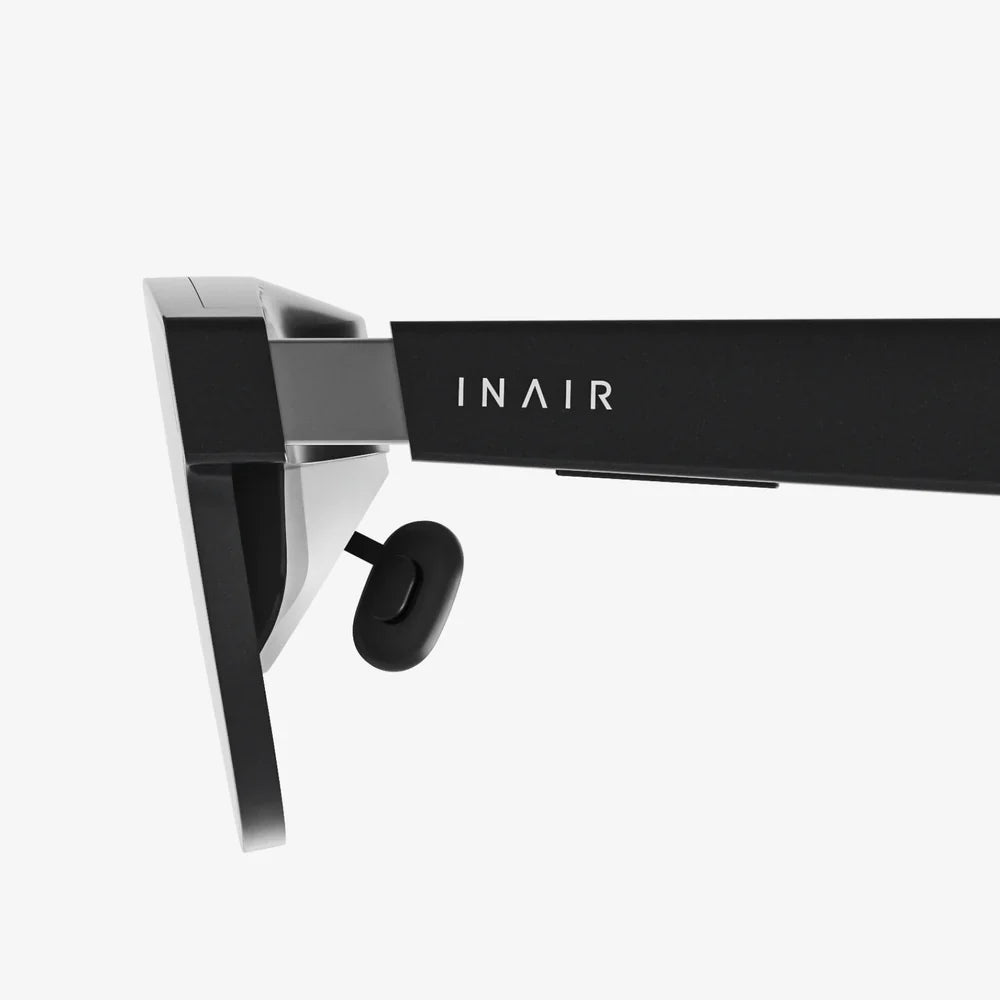
This evolution will challenge our fundamental understandings of identity, community, and reality. It will create new economies, new art forms, and new ways of being human. The technology will become lighter, more comfortable, and more integrated into our lives, moving from a headset we put on to a pair of glasses we wear throughout the day, overlaying useful digital information onto our physical surroundings.
We are standing at the precipice of a revolution that is as significant as the advent of the personal computer or the smartphone. Virtual reality is not just a new screen; it is a new frontier, a blank slate upon which we will project our greatest hopes, our most creative ambitions, and, undoubtedly, our very human complexities. The journey into the virtual is, ultimately, a journey deeper into understanding ourselves. The headset is merely the key; the worlds we build and the connections we forge within them will define the legacy of this extraordinary technology. The door is now open, and an entire universe of potential awaits on the other side.