


- by wangfred
Virtual Reality Try On: The Future of Shopping is Here and It's Immersive
- by wangfred
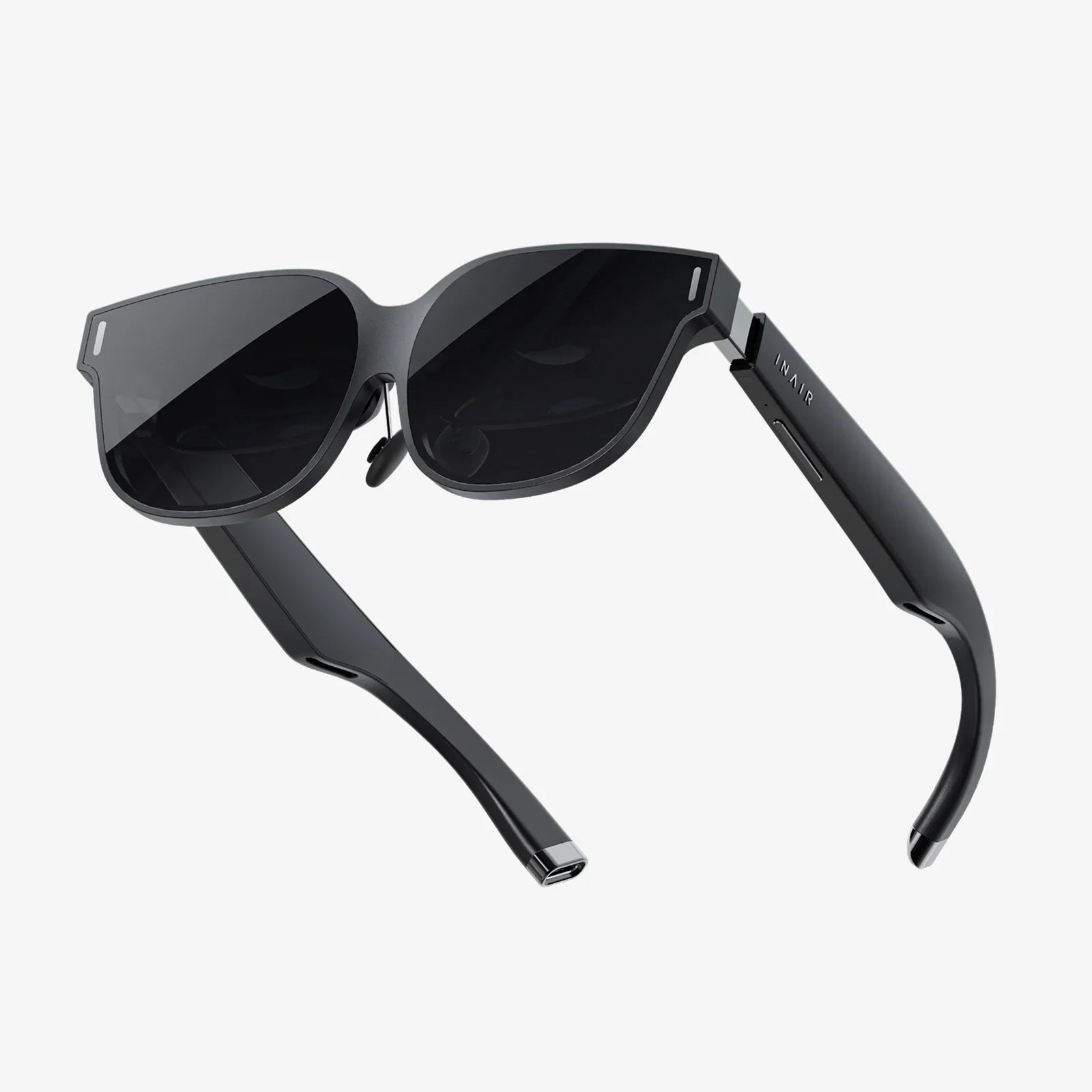
Imagine standing in your living room, slipping on a pair of sunglasses that don’t physically exist, and watching as they materialize perfectly on your face, reflecting your expression in their digital lenses. This is no longer the stuff of science fiction; it’s the powerful, transformative reality of virtual reality try on technology. This innovation is rapidly dismantling the final barrier of online commerce—the inability to physically experience a product before purchase—and in its place, building a bridge to a future where shopping is immersive, personalized, and profoundly confident.
The core challenge of e-commerce has always been a sensory one. We are tactile creatures; we like to feel the weight of a product, try its fit, and see how it looks in our own space, under our own light. For years, the high return rates in sectors like apparel and home decor were a testament to this fundamental gap. Virtual reality try on emerged not merely as a novel gadget but as a direct response to this multi-billion dollar problem. By leveraging a combination of advanced technologies, it creates a convincing simulation of physical trial, effectively bringing the product to the consumer, no matter where they are.
The seamless experience of seeing a virtual watch on your wrist belies the complex symphony of technology working behind the scenes. It's a sophisticated interplay of hardware and software designed to create a believable illusion.
At its most accessible level, virtual try-on often begins with your device's camera. Sophisticated computer vision algorithms map the user's body, identifying key points like the contours of a face for glasses, the shape of a wrist for watches, or the dimensions of a room for furniture. Augmented Reality (AR) then overlays the digital product onto this real-world view in real-time. This allows you to see how a new sofa would look in your actual living room or how a hat would sit on your actual head, all through your smartphone or tablet screen.
While AR overlays digital objects onto the real world, a full virtual reality try on experience immerses the user entirely in a digital environment. Using a head-mounted display, shoppers can step into a completely virtual store or showroom. Here, they can interact with photorealistic 3D models of products at life-size scale. They can walk around a virtual car, open its doors, and sit inside, or browse a digital clothing rack where every garment can be 'tried on' by a hyper-realistic avatar crafted in their exact likeness.
The accuracy of this experience hinges on incredibly detailed 3D modeling. Products are scanned or modeled to capture every stitch, texture, and reflection. The user's digital twin, or avatar, is equally critical. Advanced systems can generate these avatars from a simple photo or a short body scan using a smartphone's sensors, capturing precise measurements for an accurate fit preview. This ensures that when you try on a virtual garment, it drapes, stretches, and moves as it would on your real body, accounting for your unique shape and size.
The applications of this technology extend far beyond simple novelty, offering tangible benefits across numerous sectors.
This is perhaps the most impactful application. Virtual fitting rooms allow customers to try on dozens of outfits in minutes. They can mix and match separates, experiment with styles they might never risk ordering physically, and receive AI-powered style recommendations. For the retailer, this means a dramatic reduction in return rates, lower shipping costs, and a treasure trove of data on customer preferences and fit, which can inform future designs and inventory.
Trying on makeup or new frames has always been a hands-on experience. Virtual try-on allows users to test countless shades of lipstick, eyeshadow, or foundation without ever applying a physical product. They can see how a bold new hair color would suit them or how a pair of designer glasses frames their face from every angle. This not only enhances hygiene but empowers customers to make bolder, more confident choices.
Will this coffee table fit? Does that blue rug match my curtains? Virtual reality try on answers these questions definitively. Customers can place true-to-scale 3D models of furniture, lamps, and art directly into their living space via their phone screen. They can walk around it, see how the light hits it at different times of day (simulated by the app), and make decor decisions with absolute certainty, eliminating the dreaded moment of disappointment when a delivered item just doesn't work in the space.
The technology's potential is bleeding into other fields. Automotive companies are building virtual showrooms for car customization. Real estate agents offer virtual staging and tours. Even the medical field is exploring its use for previewing prosthetic limbs or surgical outcomes, helping patients visualize their results before a procedure.
The value proposition of virtual try-on is a powerful win-win for both consumers and businesses, reshaping the commerce landscape.
Shopping becomes an experience of empowerment. The anxiety of online purchasing is replaced by confidence. Customers gain access to a virtually limitless inventory without spatial constraints, discovering new brands and styles they can trust will work for them. Furthermore, it injects an element of entertainment and discovery back into shopping, transforming a transactional process into an engaging and personalized adventure.
For businesses, the data collected from virtual try-on sessions is invaluable. They gain deep insights into what customers are trying, what they're abandoning, and what fits are causing issues. This informs everything from product development to inventory management. The reduction in returns is a direct boost to the bottom line, cutting costs associated with reverse logistics and repackaging. It also presents a significant sustainability advantage, drastically lowering the carbon footprint associated with shipping and returning goods.
Despite its promise, the technology is not without its hurdles on the path to widespread adoption.
The most significant barrier is the accuracy of the simulation. While impressive, digital fabrics do not always perfectly mimic the drape and feel of physical materials. Creating a truly precise body avatar can still require user input that some may find cumbersome. Furthermore, developing high-fidelity 3D assets for entire product catalogs requires a significant investment of time and resources, which can be a barrier for smaller retailers. There are also important considerations around data privacy, as the technology often relies on detailed biometric data to function effectively.
The current state of virtual reality try on is merely the foundation. The future points toward even greater immersion and integration. The rise of the metaverse—a constellation of persistent, interconnected virtual spaces—will see virtual try-on become a standard feature of digital life. Haptic feedback technology will evolve to simulate the texture and weight of a virtual product. Artificial intelligence will become a hyper-personalized stylist, learning your preferences and body type to curate perfect recommendations before you even know you want them. Ultimately, this technology will erase the line between browsing online and being in a store, creating a unified, seamless, and deeply human shopping experience that is limited only by the imagination.
The ability to confidently 'try before you buy' from the comfort of your home is no longer a futuristic luxury—it's quickly becoming a baseline consumer expectation. As the technology becomes more accessible and the experiences more photorealistic, the question will shift from 'Does this store offer virtual try-on?' to 'Why doesn't everyone?' The retailers who embrace this immersive tool aren't just investing in a feature; they are building the foundation for the next era of commerce, one where the fitting room is everywhere, and the only limit is your curiosity.
Share:
10 Examples of Virtual Reality Transforming Our World
Abstract Expressionism vs Virtual Reality: A Clash of Artistic Revolutions