


Imagine a world where digital information bleeds seamlessly into your physical surroundings, where instructional manuals float beside broken engines, and historical figures narrate their stories on the very streets they once walked. Now, imagine being instantly transported from your living room to the surface of Mars, feeling the awe of an alien landscape as if you were truly there. This is no longer the realm of science fiction; it is the burgeoning frontier defined by two competing yet complementary technologies: Virtual Reality versus AR. The battle for the next computing platform is not just about hardware; it's a philosophical struggle over how we will perceive and interact with reality itself.
Defining the Divide: Immersion Versus Integration
At its core, the difference between Virtual Reality (VR) and Augmented Reality (AR) is a matter of fundamental philosophy. VR is an exercise in substitution. It seeks to completely replace your visual and auditory reality with a convincing, computer-generated simulacrum. By donning a headset, you are effectively blindfolded to the physical world and plunged into a digital one. The goal is total immersion, creating a powerful sense of "presence"—the undeniable feeling of being somewhere else.
AR, in stark contrast, is an exercise in augmentation. It layers digital information—images, data, text, 3D models—atop your view of the real world. Instead of replacing your environment, it enhances it. Through the lens of AR glasses or even a smartphone screen, the world becomes a dynamic canvas, annotated and interactive. The goal is not escape but empowerment, providing contextual information exactly when and where you need it.
The Technological Chasm: How They Achieve Their Magic
The pursuit of these divergent goals demands vastly different technological approaches. Understanding these underlying mechanics is key to appreciating their strengths and limitations.
The Virtual Reality Machine
Creating a believable virtual world is a computationally intensive task. VR systems are, in essence, high-performance rendering engines strapped to your face.
- Visual Immersion: VR headsets utilize two high-resolution displays (one for each eye) placed very close to the user's face through specialized lenses. These lenses warp the image to fill the user's entire field of view, eliminating peripheral vision of the real world.
- Tracking: Precise tracking is the bedrock of VR. Inside-out tracking uses cameras on the headset itself to map the physical room, while outside-in tracking uses external sensors. This allows the system to update the digital world in real-time as the user moves their head and body, preventing the disorientation and motion sickness that occurs when virtual and physical motion are misaligned.
- Controllers: VR controllers are sophisticated motion-tracked devices that translate your hand and arm movements into the digital realm. Haptic feedback provides a sense of touch, allowing you to feel the virtual objects you interact with.
The Augmented Reality Lens
AR technology is arguably more complex because it must first understand the real world before it can augment it.
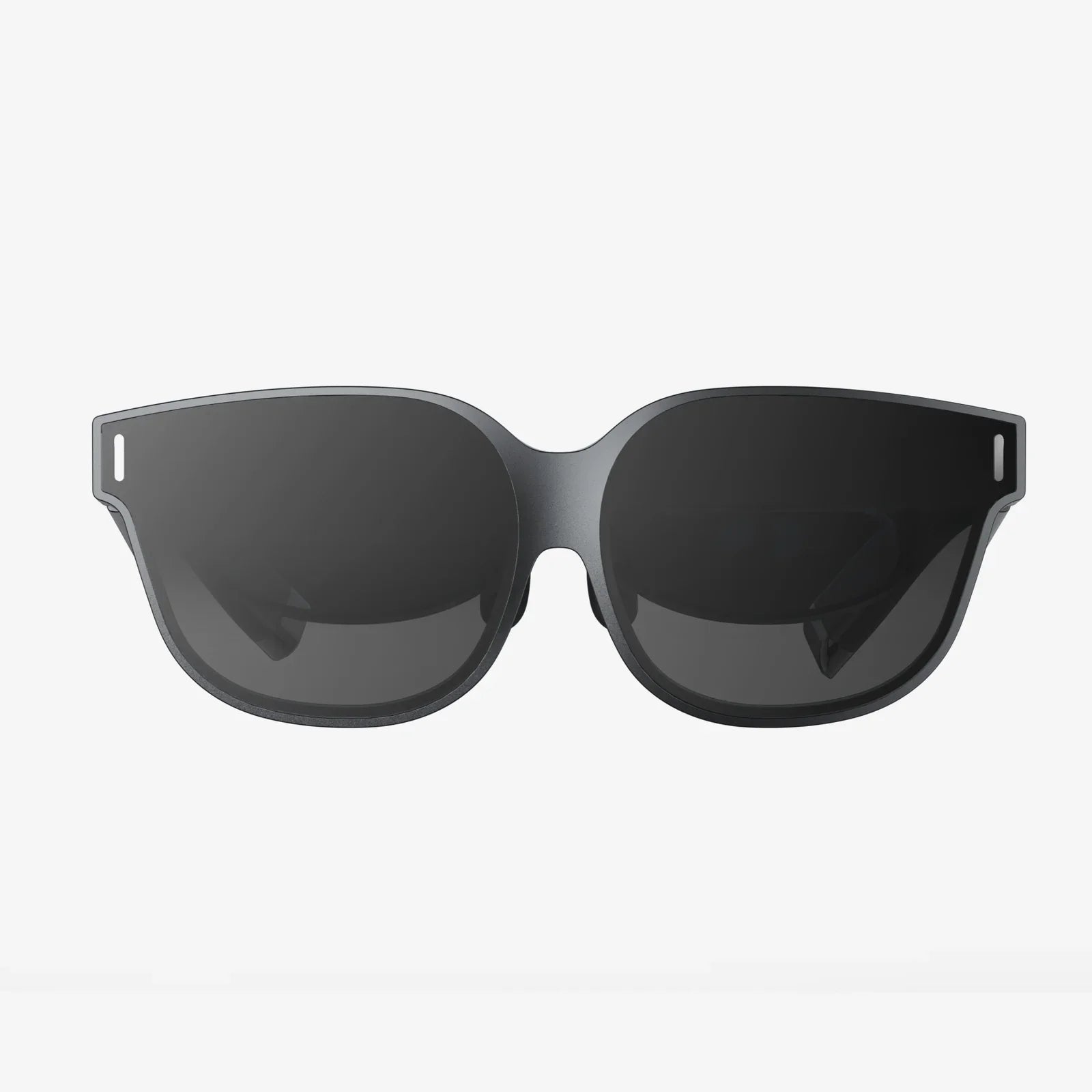
- Passthrough and Optics: Dedicated AR glasses use transparent lenses or waveguides to project light into the user's eyes, allowing them to see the real world naturally with digital images overlaid. Some VR headsets offer a passthrough AR mode using their cameras, but this often results in a lower-fidelity, video-like view of reality.
- Spatial Mapping: The true genius of AR lies in its ability to comprehend geometry. Using a combination of cameras, depth sensors (like LiDAR), and sophisticated algorithms, AR devices scan and create a 3D mesh of the environment. This allows digital objects to occlude correctly behind real-world furniture, stick to surfaces, and interact with the physics of the room.
- Input Paradigms: While controllers exist, the ideal AR interface is natural. Hand-tracking, eye-tracking, and voice commands allow users to manipulate digital objects as if they were real, creating a more intuitive and seamless experience.
A Universe of Applications: Where They Excel
The practical applications of VR and AR are as different as the technologies themselves, each finding its power in specific domains.
The Realm of Virtual Reality
VR thrives in scenarios where complete control over the user's sensory input is a benefit.
- Gaming and Entertainment: This is VR's flagship domain. It offers unparalleled immersion, allowing players to step inside their favorite games, explore fantastical worlds, and experience narratives from a first-person perspective. VR cinemas and social spaces are also creating new forms of remote togetherness.
- Training and Simulation: From training surgeons for complex procedures to preparing soldiers for combat missions or pilots for emergency landings, VR provides a risk-free, highly realistic environment to practice and fail safely. The cost savings and efficacy compared to physical simulators are immense.
- Therapy and Rehabilitation: VR is a powerful tool for exposure therapy, helping patients confront phobias like fear of heights or public speaking in a controlled setting. It's also used for physical rehabilitation, turning repetitive exercises into engaging games that improve patient motivation and outcomes.
The Domain of Augmented Reality
AR's strength is its ability to make existing tasks in the real world smarter, faster, and safer.
- Industrial and Field Service: This is where AR currently delivers the most tangible ROI. Technicians can see internal wiring diagrams overlaid on malfunctioning machinery, receive remote expert guidance with annotations pinned to specific components, and access digital checklists hands-free, drastically reducing errors and downtime.
- Design and Retail:
Imagine visualizing a new sofa in your living room at full scale before buying it, or trying on virtual makeup and seeing how it looks under different lighting. AR is revolutionizing retail and interior design by closing the imagination gap between purchase and reality.
- Navigation and Information:
AR can transform how we navigate cities, with directional arrows painted onto the street through your phone or glasses. Tourists can point their device at a monument to see its historical name and significance, creating a living, breathing museum of the world.
The Convergence Zone: Blurring the Lines with Mixed Reality
The dichotomy between VR and AR is not absolute. The spectrum between them is increasingly being filled by Mixed Reality (MR). MR headsets combine high-fidelity VR with high-resolution color passthrough cameras, effectively allowing a user to see their real environment in real-time but with the ability to render convincing virtual objects within it. This enables experiences that are impossible in pure VR or AR: virtual characters that can sit on your real couch, or productivity screens that are anchored in your physical office space but can be expanded infinitely. MR represents the synthesis of these two technologies, offering the immersion of VR with the contextual awareness of AR.
The Human Factor: Social and Ethical Considerations
As these technologies mature, they raise profound questions. VR's capacity for total escapism presents risks of addiction and dissociation from physical reality. The concept of the "metaverse"—a persistent network of shared virtual spaces—promises new forms of community but also threatens to exacerbate social isolation and create new vectors for harassment.
AR, by contrast, risks eroding our privacy. Always-on, internet-connected glasses with cameras and microphones raise dystopian concerns about perpetual surveillance, data harvesting, and digital advertising injected directly into our perception of reality. The ethical design of these platforms, and the regulations that govern them, will be as important as the technology itself.
So, which vision will win? The answer is not a matter of one technology defeating the other. The future is not Virtual Reality versus AR, but rather a spectrum of experiences each suited to different tasks. The deeply immersive, all-encompassing digital worlds of VR will remain the gold standard for entertainment, training, and escape. Meanwhile, the subtle, informative, and context-aware overlay of AR will progressively weave itself into the fabric of our daily work and life, becoming as ubiquitous as the smartphone. The ultimate winner will be us, the users, gifted with new tools to learn, create, and connect in ways we are only beginning to imagine. The next era of human-computer interaction is being written before our eyes, and it promises to be nothing short of revolutionary.
Share:
Mobile Office Accessories: The Ultimate Guide to Building Your Portable Productivity Powerhouse
Virtual Full Screen Mode: The Ultimate Guide to Unlocking Uninterrupted Digital Immersion