


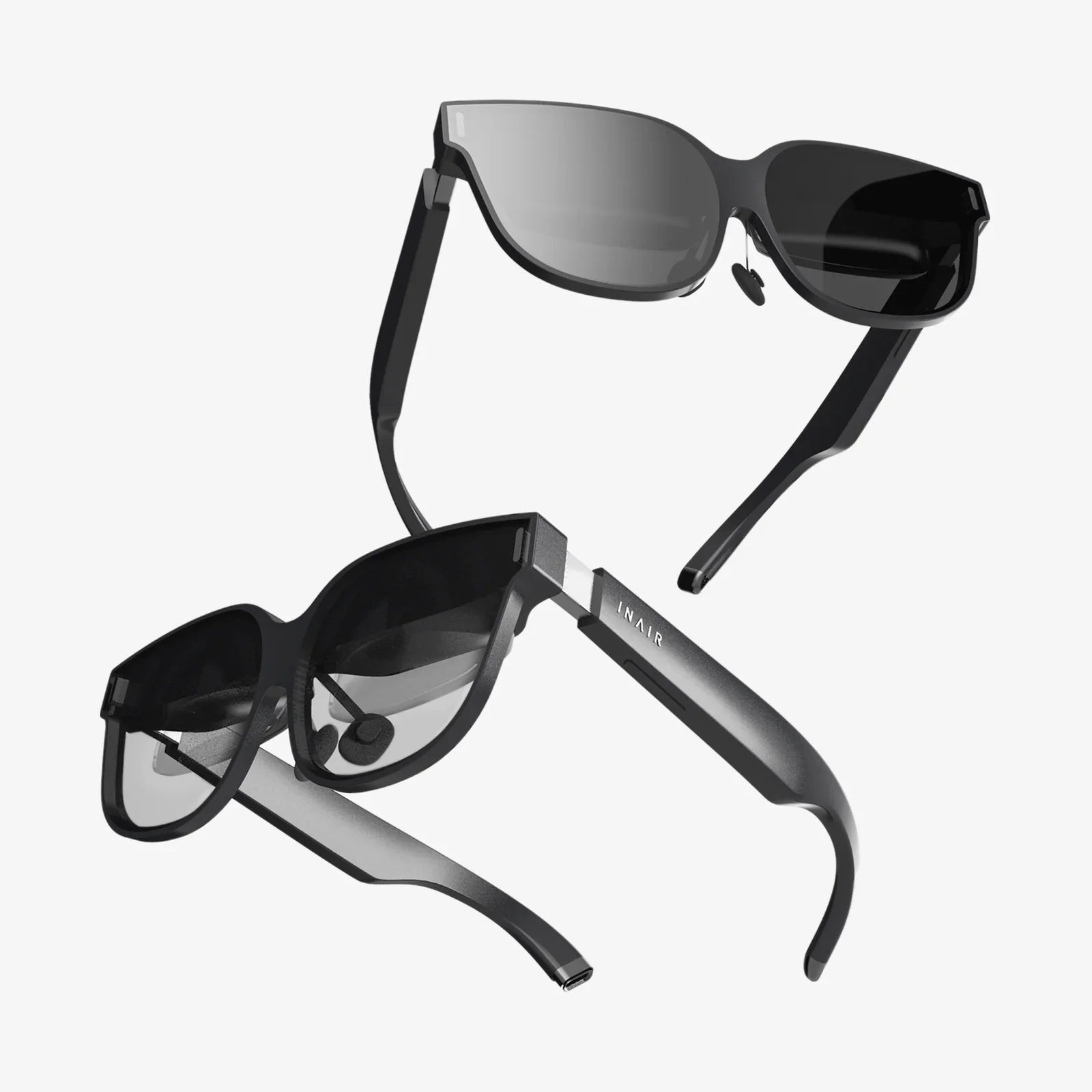
Imagine stepping through a portal into another world, a universe crafted not from atoms but from bits and pixels, where the only limit is the imagination of its creator. This is the promise, the allure, and the very definition of Virtual Reality. For decades, the concept was confined to the pages of speculative fiction, a futuristic dream that seemed perpetually out of reach. Today, that dream is a tangible, powerful technology rapidly weaving itself into the fabric of our lives, from how we work and learn to how we play and connect. But what exactly is it? Beyond the headsets and the hype, the true virtual reality VR definition is a profound and multi-layered concept, representing a fundamental shift in the human-computer interface and our relationship with digital information.
The Core of the Experience: Defining the Indefinable
At its most fundamental level, the virtual reality VR definition can be distilled into a simple phrase: a computer-generated simulation of a three-dimensional environment that can be interacted with in a seemingly real or physical way by a person using special electronic equipment. However, this technical description barely scratches the surface of what makes VR a revolutionary paradigm. True VR is not about watching a scene; it is about inhabiting it. It is an experience engineered to trigger the most powerful computer known to humanity: the human brain.
The ultimate goal of any high-fidelity VR system is to achieve a state known as presence—the undeniable, subconscious sensation of actually being in the virtual space. This is the holy grail of VR design. When presence is achieved, your logical mind may know you are standing in your living room, but your primal instincts convince you that you are walking on the surface of Mars, standing on the edge of a skyscraper, or facing a mythical dragon. This suspension of disbelief is what separates VR from all preceding media.
The Three Pillars of Immersion: A Technical Trinity
To understand the modern virtual reality VR definition, one must understand the three core technological pillars that work in concert to create this illusion of presence: immersion, interaction, and user agency.
1. Immersion: Tricking the Senses
Immersion is the foundation. It refers to the technology's ability to isolate the user from the physical world and replace their sensory inputs with digital ones. This is achieved through a combination of hardware and software:
- Visual Immersion: This is provided by a head-mounted display (HMD). High-resolution screens are placed mere centimeters from the eyes, filling the entire field of view. Advanced lenses warp and focus the image, while a critical technology called stereoscopy presents a slightly different image to each eye, creating a convincing sense of depth and scale. Low persistence display technology ensures images remain sharp even during rapid head movements, preventing motion blur.
- Auditory Immersion: Sound is arguably as important as sight for building presence. High-quality spatial audio (or 3D audio) is used to simulate sound sources in a 360-degree sphere around the user. A noise in the virtual world will sound like it's coming from behind, above, or to the left, perfectly matching the visual environment and completing the auditory landscape.
- Kinesthetic and Haptic Immersion: The sense of touch is the next frontier. While still evolving, haptic feedback systems range from simple controllers that vibrate to full-body suits that can simulate the feeling of rain, wind, or an impact. This tactile feedback is a powerful tool for deepening the user's connection to the virtual world.
2. Interaction: The Power to Manipulate
A world you can only look at is a prison. A core tenet of the complete virtual reality VR definition is the ability to interact with that world naturally and intuitively. Early VR used simple controllers, but the technology has advanced dramatically:
- Motion Tracking: Six degrees-of-freedom (6DoF) tracking is essential. It means the system tracks not just the rotation of your head and hands (like a smartphone does) but also their precise position in space as you lean, dodge, crouch, and walk. This is typically achieved through external sensors or inside-out tracking using cameras on the headset itself.
- Controller Technology: Modern controllers are ergonomic marvels equipped with analog sticks, buttons, and, crucially, individual finger-tracking. This allows for nuanced interactions like pointing, grabbing, throwing, and even making gestures, making the digital hand an extension of your own.
- Natural Input: The future of interaction lies in moving beyond controllers. Computer vision technology is enabling hand-tracking, allowing users to manipulate virtual objects with their bare hands. Eye-tracking can be used for more intuitive menu selection and even to create more lifelike avatars in social spaces.
3. User Agency: The Illusion of Choice
The final pillar is the software itself. The virtual environment must respond to the user's actions in a consistent and believable way. This is known as user agency. If you push a virtual box, it should slide. If you press a virtual button, it should depress and trigger an event. This cause-and-effect feedback loop is critical for maintaining the user's belief in the reality of the simulation. The world must have its own internal logic and rules, creating a cohesive and convincing reality.
A Journey Through Time: The Evolution of a Dream
The virtual reality VR definition has not remained static; it has evolved over decades, shaped by visionaries, technological breakthroughs, and periods of both intense hype and quiet disillusionment.
The concept can be traced back to the mid-20th century. Cinematographer Morton Heilig's "Sensorama" machine in the 1950s was a mechanical attempt at multi-sensory immersion. In 1968, computer scientist Ivan Sutherland, often called the "father of computer graphics," created "The Sword of Damocles," which is widely considered the first head-mounted display system, albeit a primitive and terrifyingly cumbersome one. It laid the foundational ideas that still underpin VR today.
The term "Virtual Reality" itself was popularized in the late 1980s by Jaron Lanier, whose company VPL Research developed some of the first commercial goggles and datagloves. This era saw VR explode into the public consciousness, fueled by its depiction in films and a wave of optimistic predictions. However, the technology of the time was simply not ready—it was too expensive, too low-fidelity, and too computationally demanding, leading to a well-documented "AI Winter"-style crash for VR.
The dream lay dormant until a perfect storm of technological advancement in the 2010s brought it roaring back. The proliferation of smartphones drove down the cost of high-resolution displays, miniature motion sensors, and powerful mobile processors. This enabled a new, more accessible form of VR. The successful Kickstarter campaign for the Oculus Rift in 2012 marked the definitive beginning of the modern VR renaissance, proving there was massive consumer and developer interest in high-quality, immersive VR.
Beyond Entertainment: The Expansive Applications of VR
While gaming is the most visible and commercially successful application, the true potential of VR extends far beyond. The modern virtual reality VR definition encompasses a tool for profound change across numerous sectors:
- Education and Training: VR creates safe, repeatable, and cost-effective training simulations for high-stakes professions. Surgeons can practice complex procedures, pilots can train for emergency scenarios, and firefighters can navigate burning buildings—all without any real-world risk. Students can take field trips to ancient Rome, the human bloodstream, or the depths of the ocean.
- Healthcare and Therapy: VR is being used for exposure therapy to treat phobias and PTSD, allowing patients to confront their triggers in a controlled setting. It is also used for physical rehabilitation, turning exercises into engaging games, and for pain distraction, immersing burn victims in a soothing snowy landscape to reduce their perceived pain during wound care.
- Architecture and Design: Architects and clients can walk through a full-scale, photorealistic model of a building before a single brick is laid. This allows for unparalleled understanding of space, light, and design, enabling changes to be made quickly and cheaply in the digital realm.
- Remote Collaboration and Social Connection: VR meeting spaces allow distributed teams to collaborate as if they are in the same room, interacting with 3D models and data in ways impossible on a flat screen. It offers a new form of social media, where presence replaces likes and comments, creating a deeper sense of connection over vast distances.
Challenges and the Ethical Horizon
Despite its rapid progress, VR still faces significant hurdles on its path to mainstream adoption. The quest for perfect visual fidelity continues, with demands for higher resolution, wider field of view, and more realistic lighting. The issue of locomotion—moving through a large virtual space while confined to a small physical one—remains a complex design challenge, with various solutions like teleportation and redirected walking still feeling like compromises for some users.
Furthermore, the very power of VR raises important ethical questions that society must grapple with. The phenomenon of simulator sickness, a form of motion sickness caused by a disconnect between visual and vestibular stimuli, still affects a portion of the population. The collection of biometric data—precise eye movements, physiological responses, and even facial expressions—presents a massive privacy challenge. As these worlds become more realistic and persuasive, the potential for psychological manipulation, addictive behaviors, and the blurring of lines between reality and simulation will require careful consideration and proactive governance.
The journey to a universally accepted and experienced virtual reality VR definition is far from over. It is a technology in its adolescence, bursting with potential but still maturing. We are standing at the threshold of a new plane of existence, one where the digital and physical will increasingly intertwine. The ultimate definition of VR may not be a technical specification, but a human one: it is the next great medium for storytelling, the next powerful tool for understanding our world and ourselves, and perhaps, the next step in our evolution as a connected species. The headset is not just a screen you look at; it is a gateway you step through, and we are only just beginning to explore what lies on the other side.
Share:
What Is Mobile Working? The Definitive Guide to the Modern Work Revolution
Is Virtual Reality Safe? An In-Depth Exploration of the Risks and Rewards