


- by wangfred
Virtual Reality vs Commodities: The Ultimate Investment Showdown of the 21st Century
- by wangfred
Imagine a future where your most valuable asset isn't a bar of gold in a vault or a deed to a piece of land, but a sprawling digital estate in a boundless virtual universe, accessible only through a headset. This is no longer the stuff of science fiction; it's the emerging reality forcing a profound confrontation between the bedrock of traditional value—physical commodities—and the ethereal, yet powerful, promise of virtual reality. The clash between these two vastly different asset classes is redefining what we consider valuable, challenging centuries of economic dogma, and creating the ultimate investment showdown of our time.
For millennia, human progress and economic power have been built upon a foundation of physical commodities. These are the basic goods, the raw materials, the tangible assets that we can touch, extract, and consume. They are the essential building blocks of our physical world, categorized primarily into two groups: hard commodities, which are typically natural resources that must be mined or extracted (like oil, gold, and copper), and soft commodities, which are agricultural products or livestock (like wheat, coffee, and pork).
The entire global economy, until very recently, has been a complex dance around the production, distribution, and consumption of these tangible goods. Their value is deeply ingrained in their utility and scarcity. We need oil to fuel our industries and transportation, metals to construct our cities and technology, and food to sustain our populations. This inherent utility creates a baseline of demand, while their finite nature on our planet creates scarcity, a classic recipe for value creation. Investing in commodities has historically been a hedge against inflation and geopolitical turmoil; when currencies falter, the thinking goes, tangible assets retain their inherent worth.
In stark contrast stands Virtual Reality (VR), an asset class that is almost entirely intangible. Its value is not derived from physical utility or scarcity in the traditional sense. You cannot eat a VR experience, live inside a VR house (physically), or fuel a car with VR data. Instead, its value is experiential, informational, and social. VR represents a parallel digital dimension where the constraints of physics and geography are lifted, creating entirely new economies based on digital scarcity, intellectual property, and user attention.
The "commodities" of the VR world are not iron ore or crude oil, but things like processing power, bandwidth, virtual real estate, digital fashion items for avatars, unique experiences, and proprietary software platforms. Value in VR is created through code, creativity, and network effects. A virtual concert attended by millions globally simultaneously, a training simulation that saves a corporation millions in real-world equipment costs, or a virtual design collaboratively created by engineers across continents—these are the products of this new economy. Their scarcity is artificial, enforced by cryptography and digital rights management, but their impact is becoming increasingly real.
This fundamental difference in nature creates a dramatic divergence in investment logic. Investing in physical commodities is often a bet on global macroeconomic trends—population growth, industrial output, and political stability. It's a market swayed by weather patterns affecting harvests, by OPEC decisions on oil production, and by new mineral discoveries. It is, by its nature, a cyclical and often volatile market tied to the physical pulse of the planet.
Investing in the VR ecosystem, however, is a bet on technological acceleration, adoption curves, and the scalability of digital goods. It is a bet that the human desire for new experiences, enhanced social connection, and efficient remote interaction will trump, or at least heavily supplement, our engagement with the physical world. The potential for abundance is staggering; while there is only so much beachfront property on Earth, a VR platform can generate endless unique digital landscapes. The investment risk is not a drought or a mine collapse, but technological obsolescence, platform failure, or a shift in consumer preferences.
The economic impact of both spheres is profound but manifests differently. The commodities market is the engine room of the physical global economy. Its health is directly tied to GDP growth, employment in extraction and agriculture, and the cost of living. A spike in oil prices sends ripples through every industry, increasing the cost of transportation, manufacturing, and heating. It is deeply embedded in the real-world cost of doing business.
VR, as a nascent sector, is currently more of a value-added layer on top of the existing economy. Its immediate economic impact is seen in new job creation—software developers, 3D artists, experience designers—and in driving demand for the underlying commodities of the tech industry: semiconductors, rare earth metals for hardware, and the energy required to power massive data centers. Its promise, however, is to eventually create self-sustaining digital economies with their own exports and imports—exporting virtual services and experiences and importing user attention, time, and capital.
Beyond pure economics, the VR vs. commodities debate touches the core of human existence. Our relationship with physical commodities is primal. Land represents security and legacy. Gold and gems represent beauty and permanence. Food represents survival. This connection is woven into our psychology and culture.
VR challenges this by offering value in a form that is impermanent and experiential. Its appeal is to our desire for novelty, escape, and community. It asks a fundamental question: is an experience that can be shared with friends across the globe, but leaves no physical trace, less valuable than a physical object that sits on a shelf? The answer is increasingly unclear. For a generation growing up digital, the social capital and personal enjoyment derived from a coveted virtual item or a memorable shared experience in a digital world can hold more perceived value than a physical product they have no connection to.
The most fascinating development is not the battle between these two realms, but their increasing convergence. VR technology is being used to manage physical commodities more efficiently. Architects use VR to walk through building designs before a single ton of steel is ordered, reducing material waste. Surgeons train in VR, minimizing risk before touching a human patient. Geologists use VR simulations to explore potential mining sites, optimizing extraction plans.
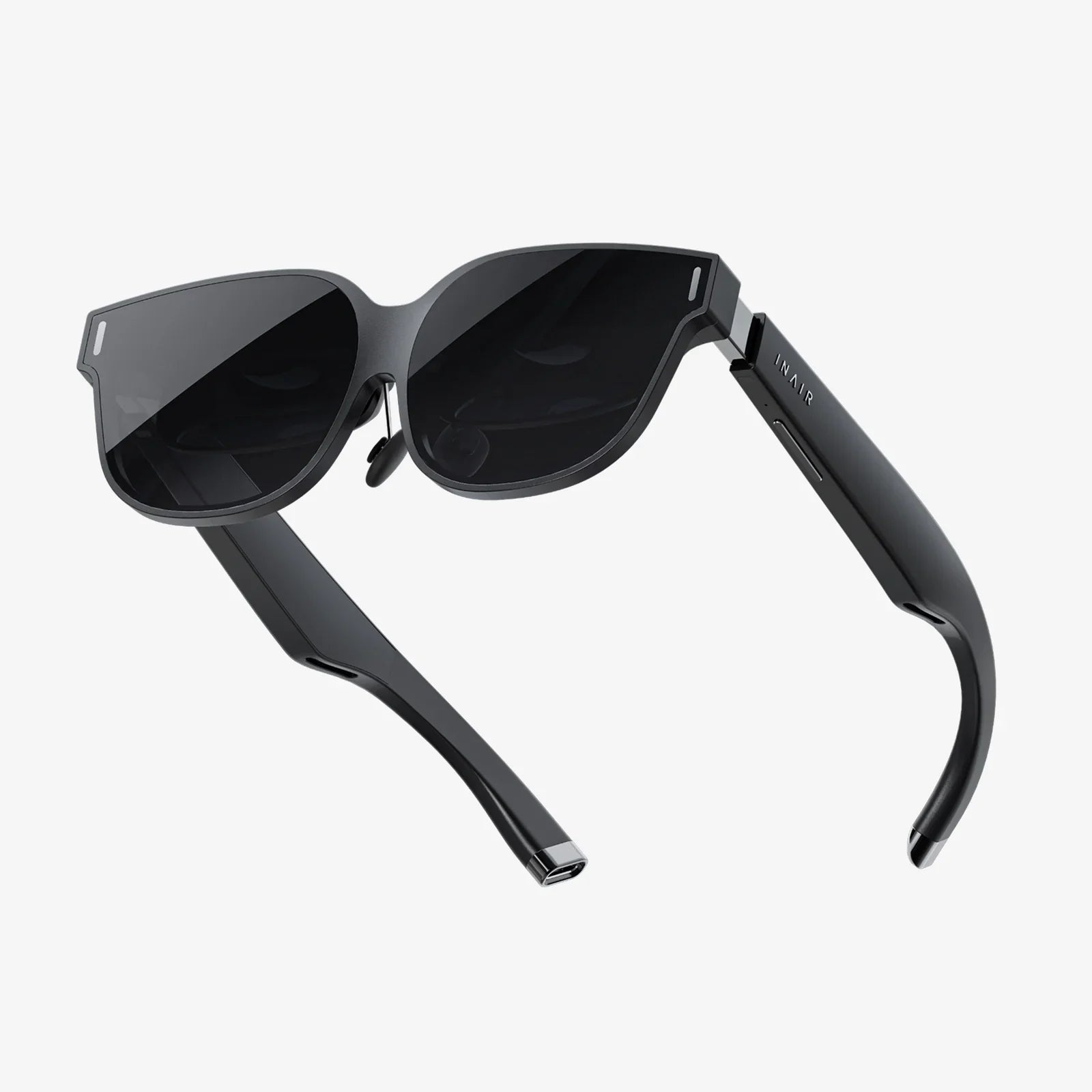
Conversely, the VR industry itself is utterly dependent on the physical commodity supply chain. The headsets, controllers, and powerful computers needed to access these virtual worlds are manufactured from plastics, metals, and semiconductors. The data centers that host these vast worlds consume enormous amounts of energy, a direct link back to the oil, gas, and renewable energy markets. One cannot exist without the other; the virtual dream is built upon a physical foundation.
The question is not whether virtual reality will completely replace physical commodities—it won't. Humanity will always need food, energy, and shelter. The real question is how the balance of perceived value and economic weight will shift. We are moving towards a hybrid world where an individual's portfolio might contain shares in a copper mine, a wheat futures contract, and a parcel of land in a popular metaverse platform.
The wise investor, and the adaptable society, will recognize that this is not a binary choice. The future of value lies in a synthesis—leveraging virtual worlds to enhance, optimize, and experience the physical one, while using the robust infrastructure of our commodity-driven economy to power the next great digital leap forward. The most resilient strategy is to understand the deep fundamentals of both: the immutable laws of supply and demand that govern physical resources, and the explosive, network-driven potential of digital experiences.
Forget choosing sides in the virtual reality vs. commodities debate; the real opportunity lies in understanding the intricate and symbiotic dance between the atoms that build our world and the bits that are defining our future. The most valuable asset of tomorrow might just be the wisdom to navigate both.