


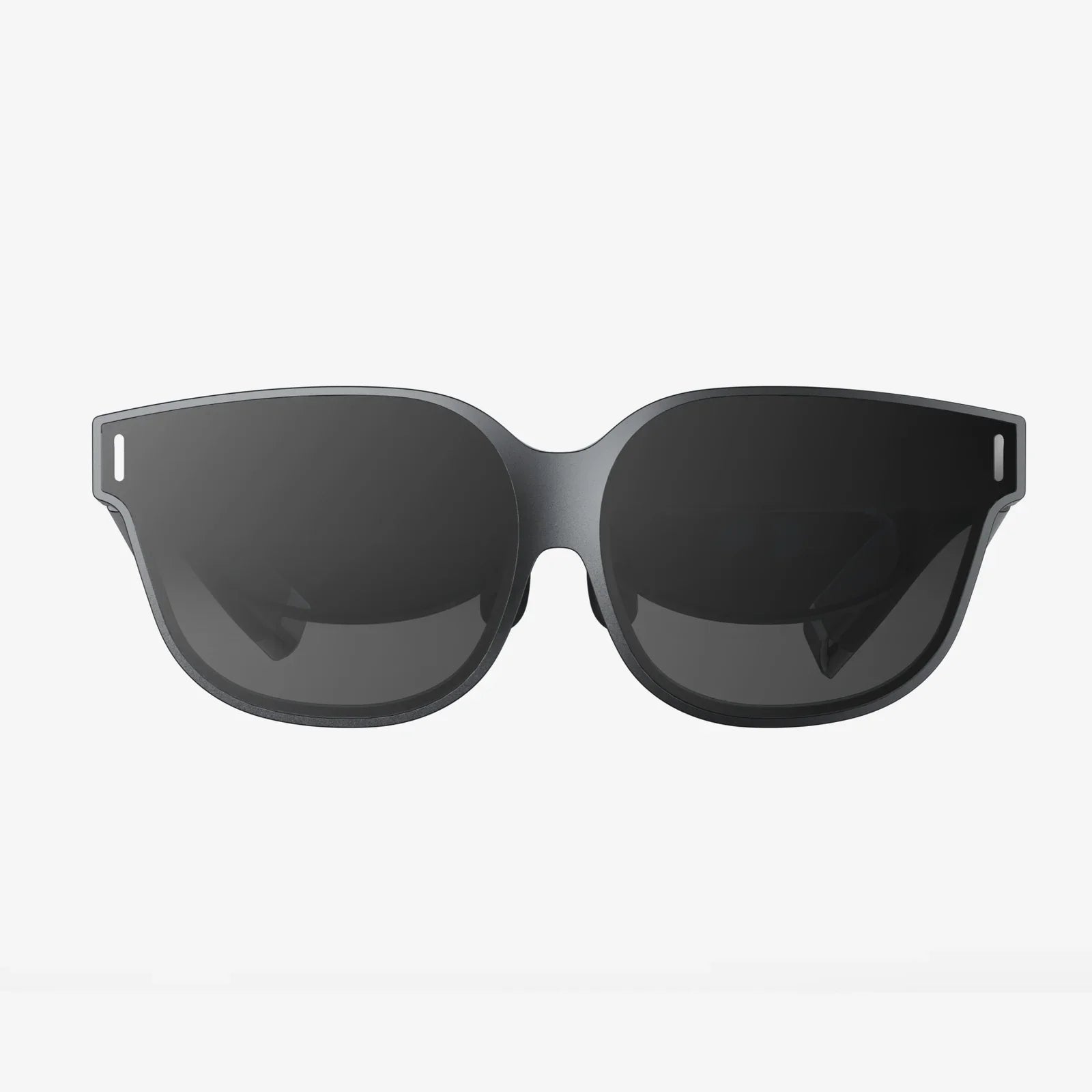
Imagine finding the perfect pair of prescription eyeglasses without ever stepping into a store, without the awkward pressure of a salesperson hovering, and without the second-guessing that comes from a quick glance in a mirror. This is no longer a futuristic fantasy but a present-day reality, thanks to the revolutionary advent of virtual try-on technology for prescription eye glasses. This digital innovation is shattering the traditional shopping model, offering an unprecedented blend of convenience, confidence, and customization. It empowers you to explore a universe of frames, experiment with bold new looks, and make a truly informed decision about one of your most personal accessories—all from your living room. The journey to finding your ideal spectacles is being redefined, and it starts with a single click.
The Technology Behind the Magic: More Than Just a Filter
At first glance, virtual try-on might seem like a simple augmented reality (AR) filter, similar to those popularized on social media platforms. However, the technology powering accurate and helpful frame fitting is significantly more sophisticated. It's a complex interplay of advanced software and precise measurement tools designed to replicate a physical try-on experience with remarkable accuracy.
Facial Mapping and Augmented Reality
The core of the technology lies in sophisticated facial mapping algorithms. Using the camera on your smartphone, tablet, or computer, the software identifies key facial landmarks—the pupils, the bridge of the nose, the temples, and the cheekbones. It creates a precise 3D model of your face, accounting for the unique contours and asymmetries that make your face your own. This digital avatar then becomes the mannequin for the frames.
True augmented reality takes over from there. Instead of just superimposing a static image of glasses over your face on the screen, advanced systems render the frames in 3D. This means the glasses will sit correctly on your nose, the temples will curve around your ears, and the lenses will reflect light realistically. You can tilt your head, turn from side to side, and even lean in and out of the frame, and the glasses will move with you, providing a dynamic and realistic preview of how they will look in real life.
The Critical Role of Pupillary Distance (PD)
For prescription glasses, aesthetics are only half the battle; optical accuracy is paramount. This is where Pupillary Distance (PD) becomes critical. PD is the measurement, in millimeters, between the centers of your pupils. This measurement ensures the optical centers of the lenses are aligned perfectly with your pupils, which is essential for clear, comfortable, and strain-free vision.
Many virtual try-on platforms have integrated tools to help you measure your PD at home using your device's camera. Guided by on-screen instructions, you hold a standard-sized object (like a credit card) near your face to calibrate the scale, and the software calculates your PD with impressive accuracy. Some services also allow you to input a PD measurement obtained from an eye care professional for ultimate precision. This focus on accurate measurements is what elevates the technology from a fun gimmick to a truly practical tool for purchasing medical devices online.
A Universe of Choice: Endless Aisles at Your Fingertips
One of the most significant limitations of physical stores is inventory. No brick-and-mortar location can stock every frame from every designer in every size and color. You are ultimately limited to the selection on the walls. Virtual try-on technology demolishes these walls, opening up a near-infinite catalog of options.
You are no longer geographically constrained. You can browse collections from around the world, from major international designers to small, independent artisans. You can filter by every conceivable parameter: frame shape (aviator, round, square, cat-eye), material (acetate, metal, titanium), color, size (including eye, bridge, and temple measurements), and even by trending styles. This allows for a deeply personalized and efficient search. Want to see every tortoiseshell, rectangular frame in a 52mm eye size? A few clicks will bring them all up, ready to be tried on instantly.
This vast selection encourages experimentation. That bold, oversized pair you'd be too shy to ask a store associate to hand you? Try it on virtually. The classic style in a vibrant color you wouldn't normally consider? See it on your face with zero commitment. This freedom to explore leads to more confident and satisfying choices, often helping individuals discover styles they love but would never have tried otherwise.
The Confidence to Choose: Reducing Buyer's Remorse
Shopping for glasses in a store can be a rushed experience. You might try on a dozen pairs under harsh fluorescent lighting, quickly glancing in a mirror before making a decision. It's easy to feel uncertain once you get home. Virtual try-on alleviates this pressure entirely.
You can try on frames at your own pace, in the comfort of your preferred lighting—natural daylight is often best. You can take screenshots or record short videos from every angle. You can share these images directly with friends and family via text or social media, gathering opinions from your trusted circle without them needing to be physically present. This collaborative process dramatically reduces the anxiety and guesswork associated with choosing frames, leading to significantly higher satisfaction and a drastic reduction in returns and exchanges.
Accessibility and Inclusivity: Eyewear Shopping for Everyone
The benefits of virtual try-on extend beyond convenience and into the crucial realms of accessibility and inclusivity. For individuals with mobility issues, chronic illnesses, or those who live in remote areas with limited access to optical stores, this technology is transformative. It brings the entire eyewear shopping experience to them, eliminating travel barriers and making essential vision care more accessible.
Furthermore, the technology is increasingly catering to a diverse range of faces. Leading platforms are ensuring their software and frame recommendations work accurately for all face shapes, skin tones, and facial features. The ability to filter by specific sizing is also a major win for inclusivity, helping those who need particularly small or large frames find styles that truly fit.
Limitations and Considerations: Navigating the Digital Frontier
While powerful, virtual try-on is not without its limitations. Acknowledging these is key to having the best possible experience.
- Screen Reality vs. Real Life: Screen colors can sometimes be slightly different from real life. A frame color might appear marginally different on your monitor than in person.
- The Feel of the Frame: The technology cannot replicate the weight of the glasses on your nose or the feel of the material against your skin. Lightweight materials like titanium or the flex of a spring hinge are sensory details you can only experience physically.
- Precision of Fit: While measurements like PD are highly accurate, the complex fit of a frame—especially for those with unique nasal bridges or high cheekbones—can sometimes be better assessed in person by a skilled optician who can make adjustments.
The most savvy shoppers often use virtual try-on as a powerful tool for narrowing down choices. They will create a shortlist of their favorite frames online and then, if possible, visit a physical store to try on similar styles or even the exact pairs to confirm the fit and feel before finalizing their online order. This hybrid approach offers the best of both worlds.
The Future of Eyewear: What's Next for Virtual Try-On?
The technology is still evolving at a rapid pace. We are moving towards even more immersive experiences. The integration of Artificial Intelligence (AI) is a major frontier. AI-powered style assistants can analyze your facial features, skin undertones, and personal preferences (or even your existing wardrobe) to recommend frames that are perfectly suited to your style and complexion.
We can also anticipate the rise of "virtual opticians." Live video consultations where a remote optician can guide you through the try-on process, offer professional style advice, and answer technical questions about fit and measurements will become more commonplace, blending human expertise with digital convenience.
Furthermore, as AR hardware like smart glasses become more advanced and widespread, the try-on experience will become even more seamless and integrated into our daily digital lives. The line between shopping online and experiencing a product physically will continue to blur.
The retail landscape for prescription eyewear has been permanently altered. The days of limited choice and pressured in-store decisions are fading. Virtual try-on technology has handed the power back to the consumer, offering a personalized, confident, and deeply convenient path to finding the perfect glasses. It has demystified the process, making it more accessible, enjoyable, and successful for millions. This isn't just a new way to shop; it's a smarter, more empowered way to see the world—quite literally.
Your perfect frame is out there, waiting to be discovered not on a wall of a store, but in the palm of your hand. The mirror of the future is your screen, and it's ready to show you a clearer, more stylish version of yourself. Embrace the opportunity to experiment without limits, to consult your entire social circle, and to make a choice you'll love for years to come, all from the one place you feel most comfortable. The future of vision is here, and it’s brilliantly clear.
Share:
Augmented Reality Marketing Trends 2025: The Future is Now and It's Interactive
AR vs VR Headset: The Ultimate Showdown for the Future of Reality